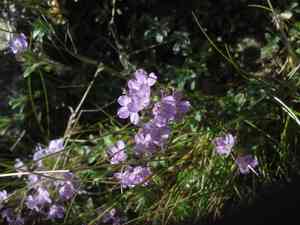
Thyme (Thymus mongolicus)
Also known as: Mongolian thyme, Wild thyme
Thymus vulgaris, commonly known as thyme, is a perennial herb known for its fragrant evergreen leaves, often used in culinary dishes. During the summer, it produces small clusters of purple flowers. These blossoms attract and provide nourishment for various species of butterflies and moths.
In This Article
Attributes of Thyme
Lifespan
Perennial
Plant Type
Shrub
Plant Height
40 cm
Spread
20-40 cm
Leaf Color
Green to grey-green
Flower Size
0.5-1 cm
Flower Color
Pink Purple
Images of Thyme
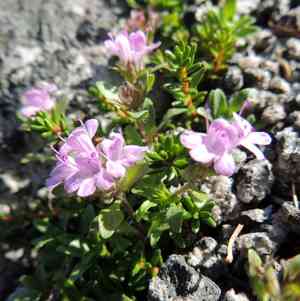
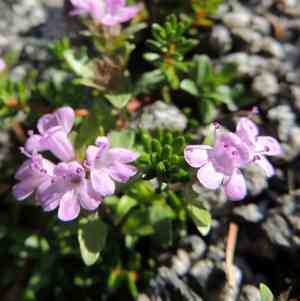
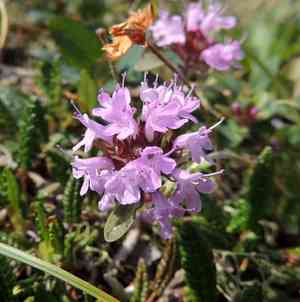
Quickly Identify Thyme
1
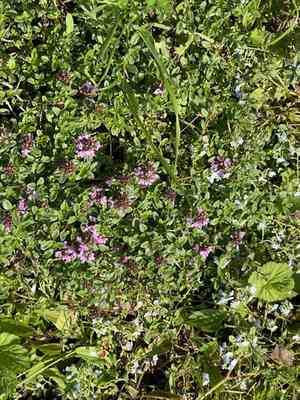
Identify Thymus mongolicus by its low-growing, mat-forming habit, small aromatic leaves, and clusters of small purple flowers. The leaves are typically lance-shaped and densely covered in fine hairs, while the stems are woody at the base.
Scientific Classification of Thyme
Phylum
Vascular plants
Class
Dicotyledons
Order
Mints plantains olives and allies
Family
Mint
Genus
Thymes
Species
Thyme
Planting and Growing of Thyme
Care Difficulty
Easy
Watering Schedule
Every 4 days
Sunlight Requirements
Full sun
Sunshine Duration
4-6 hours
Ideal Temperature
60-70℉
Soil Type
Potting Mix, Peat Mix
Soil pH
6.5-7.5
Fertilizer Type
Balanced
Pruning Season
Spring, Summer
Pruning Area
Branches, Leaves
Pruning Frequency
2 times a year
Repotting Season
Spring
Pot Type
Plastic, Ceramic
 How to Water Thyme?
Thymus mongolicus, known as Mongolian thyme, prefers soils that are kept moderately moist but not waterlogged. Water it until the top 2-3 inches of soil are saturated; this typically requires around 250 milliliters of water. However, always adjust based on climate and soil drainage conditions.
What are the symptoms of an underwatered Thyme?
›
What should I do if my Thyme is not getting enough water?
›
What are the symptoms of an overwatered Thyme?
›
How to save an overwatered Thyme?
›
 What Are the Sunlight Requirements for Thyme?
Thymus mongolicus performs best in full to partial sun conditions, ideally between six to eight hours of light. Adequate light encourages robust growth, maintains leaf color, and supports overall plant health.
More About Sunlight Requirements Techniques→
How much sunlight does Thymus mongolicus need?
›
What happens if Thymus mongolicus gets too little light?
›
How can I ensure an ideal light environment for Thymus mongolicus indoors?
›
 What Is the Ideal Temperature Range for Thyme?
What is the ideal temperature range for Thymus mongolicus? The optimal temperature range for growing Thymus mongolicus is between 60°F and 70°F. These temperatures ensure the plant maintains healthy growth and maintains its aromatic properties. Keeping the plant in this range will maximize its growth potential and flavor profile.
 What Soil is Best for Thyme?
Thymus mongolicus thrives in well-draining soil as it prevents water from logging. This reduces the risk of root rot and ensures that the roots receive enough oxygen, essential for healthy plant growth. This plant enjoys a nutrient-rich substrate that supports its vigorous growth. Providing a balanced mix of organic matter can enhance soil fertility and improve overall plant health. While preferring well-drained soils, Thymus mongolicus also requires moderate moisture levels. This balance helps in maintaining turgidity and supports metabolic processes vital for the plant's development.
 How to Fertilize Thyme?
The Mongolian thyme does not require a large amount of fertilizer. A quarter to half a teaspoon of balanced liquid fertilizer is adequate per watering session when using liquid fertilizers. When applying slow-release fertilizers, one to two tablespoons distributed evenly across the soil surface is usually sufficient. This plant thrives with modest nutrient support rather than heavy feeding.
 How to Prune Thyme?
Begin by identifying the dead or damaged stems and remove them completely. Next, trim back about one-third of the previous year's growth, making cuts just above a healthy leaf node. This promotes new growth. Ensure even shaping to maintain the plant's natural mounded form. Regularly pinching off new growth encourages branching, resulting in a fuller appearance.
More About Pruning Techniques→
 How to Propagate Thyme plant?
1
Begin by filling a seed tray with well-draining soil. Sow the Thymus mongolicus seeds on the surface, gently pressing them into the soil. Cover lightly with a thin layer of soil and consistently mist with water to maintain moisture.
2
Select healthy, non-flowering stems from the Thymus mongolicus plant. Use the sharp pruners to cut about 3-4 inches below a leaf node. Remove leaves from the lower half of the cutting to encourage root development.
3
Carefully dig up a mature Thymus mongolicus plant, ensuring you retain a good root ball. Divide the plant into sections, ensuring each section has roots attached. Replant each division in prepared soil and water thoroughly.
 How to Repot Thyme plant?
1
Thymus mongolicus needs repotting when its roots start encircling the pot or when growth appears stunted. These signals indicate the plant is outgrowing its current space. Spring or early summer, when the plant is actively growing, is the ideal time to repot. Choosing the wrong time may hinder its growth, so ensure conditions are optimal for smooth recovery.
2
Select a pot that offers 1-2 inches more in diameter than the previous one to allow for root expansion. Ensure it has adequate drainage holes. A well-ventilated clay or terracotta pot enhances air flow to the roots, reduces the risk of waterlogging, and promotes a healthy root system. Opt for a wide, shallow pot to accommodate the plant’s spreading nature.
3
A well-draining sandy soil mix is crucial for Thymus mongolicus, which mimics its natural habitat. The soil should retain moisture but drain excess water swiftly, preventing root rot. Incorporate perlite or coarse sand to enhance drainage. Such soil ensures roots can access necessary nutrients and air, promoting overall robust plant health and vigorous growth.
Learn More About Thyme Diseases
Anthracnose
Bacterial Leaf Spot
Bacterial Soft Rot
Bacterial Wilt
Chemical Injury
Crown Gall
Cyst Nematode
Damping-off
Downy Mildew
Drought Stress
Fusarium Wilt
Gray Mold
Leaf Curl
Leaf Spot
Mosaic
Nutrient Deficiency
Nutrient Toxicity
Powdery Mildew
Root Rot
Root-knot Nematode
Rusts
Sooty Mold
Spider Mites
Temperature Stress
Thrips Damage
White Mold



