Enhancing Your Garden Design with the Tree germander Plant: A Landscaping Guide
1
Tree germander flourishes in soil that drains effectively and in areas with ample sunlight.
2
Including Tree germander can enhance your garden with both form and aesthetic appeal.
3
Tree germander withstands dry conditions very well, making it a superb option for gardens that conserve water.
Introducing Tree Germander in Garden Design
Overview of Tree Germander's Distinctive Look and Growth Pattern
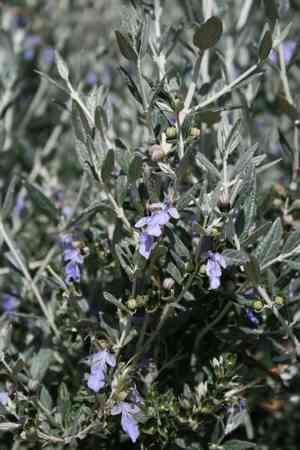
In landscape architecture, Tree Germander stands out with its unique silver-hued leaves and compact growth. It typically reaches a height of 4-6 feet and spreads similarly, making it perfect for structuring and defining garden areas. This evergreen shrub features small, delicate leaves, often grayish-green, offering a striking contrast to more vibrant garden plants. Additionally, Tree Germander produces light blue to lavender flowers in spring and summer, adding color and attracting pollinators like bees and butterflies.
Advantages of Integrating Tree Germander into Landscape Plans
Incorporating Tree Germander into your landscape design offers several benefits. First, its drought-tolerant nature makes it an excellent choice for arid regions or for those aiming to conserve water. Furthermore, Tree Germander requires minimal upkeep once established, making it suitable for both novice and experienced gardeners. Its dense foliage provides superb ground cover, helping to suppress weeds and retain soil moisture. Lastly, Tree Germander's unique appearance and adaptability allow it to seamlessly fit into various garden themes, enhancing overall visual appeal.
Integrating Tree Germander into Garden Styles
Utilizing Tree Germander to Enhance Mediterranean-Themed Gardens
Mediterranean gardens often feature plants that endure hot, dry conditions and possess timeless charm. Tree Germander perfectly fits this description, with its silvery foliage complementing the classic Mediterranean palette of olive greens, terracotta browns, and sky blues. When planted alongside herbs like rosemary and lavender, or architectural plants such as cypress trees and olive bushes, Tree Germander helps evoke the essence of the Mediterranean coast, creating a tranquil, sun-drenched ambiance in your yard.
Pairings of Tree Germander with Tropical or Desert Landscape Elements
While Tree Germander excels in Mediterranean-style gardens, its adaptability also allows it to suit tropical and desert-themed landscapes. In tropical gardens, Tree Germander can be combined with lush, broad-leaved plants for an interesting textural contrast. In desert landscapes, its drought resistance makes it an ideal companion for succulents, cacti, and other xerophytes. Pairing Tree Germander with these elements not only enhances aesthetic appeal but also creates sustainable, low-maintenance garden environments.
Strategic Placement of Tree Germander in Outdoor Spaces
Accentuating Pathways and Borders with Tree Germander
One of the most effective ways to use Tree Germander in your garden is by planting it along paths and borders. Its dense growth habit provides a natural edge that helps define walkways and prevent soil erosion. The soft, silvery foliage contrasts beautifully with stone or gravel paths, creating a visually pleasing boundary. Additionally, the fragrant blooms of Tree Germander can offer a delightful sensory experience for those strolling through your garden.
Creating Focal Points with Tree Germander in Expansive Garden Areas
In larger garden settings, Tree Germander can serve as a captivating focal point. Plant it in prominent locations where its unique texture and color can be fully appreciated. For example, Tree Germander can be used to frame a garden bench, fountain, or sculpture, drawing attention to these features while adding an element of natural beauty. Grouping several Tree Germander plants together can also create a striking visual impact, especially when incorporated into garden beds with complementary plant species.
Seasonal Considerations for Tree Germander
Optimal Planting Times for Tree Germander for Best Growth
For optimal growth, it's best to plant Tree Germander in spring or fall when temperatures are milder and the plant experiences less stress. This allows Tree Germander to establish its root system before extreme weather conditions arrive. Spring planting takes advantage of the longer growing season, giving Tree Germander ample time to settle and thrive. Planting during the fall, on the other hand, can also be beneficial as it avoids intense summer heat and allows roots to develop over winter.
Understanding Seasonal Changes in Tree Germander's Appearance and Care Needs
While Tree Germander is relatively low-maintenance, understanding its seasonal changes can help you keep it looking its best year-round. In spring and summer, you'll enjoy delicate flowers and vigorous growth. However, as cooler months approach, you might notice less blooming and slower growth. During these times, reduce watering and avoid heavy pruning to prevent stress on the plant. Regular checks for pests and diseases can also ensure Tree Germander remains healthy through the seasons.
Companion Plants for Tree Germander in Landscaping Projects
Selecting Plants that Complement Tree Germander's Aesthetics and Growing Conditions
Choosing the right companion plants for Tree Germander can enhance your garden's overall look and health. Opt for plants that thrive in similar soil and light conditions, such as lavender, rosemary, or sage. These plants not only share Tree Germander's drought-tolerant properties but also complement its silvery-green foliage with their own distinctive colors and textures. Mixing in ornamental grasses can provide additional movement and contrast, creating a dynamic and cohesive garden design.
Tips for Crafting Visually Appealing and Harmonious Plant Groupings
To create a visually appealing garden, consider layering plants of different heights and textures around Tree Germander. Taller plants can serve as a backdrop while the more compact Tree Germander adds structure at mid-level. Groundcover plants can fill in spaces around the base, reducing weeds and keeping the garden looking full and lush. Repeating certain plants throughout the garden can also create a sense of cohesion, as can using a consistent color palette. Don't be afraid to experiment and find the combinations that please your eye.
Maintaining Tree Germander for Lasting Appeal
Routine Care Advice to Ensure Tree Germander Remains a Prominent Feature
To keep Tree Germander vibrant and healthy, regular maintenance is crucial. This includes watering deeply but infrequently to encourage strong root development, mulching to retain soil moisture, and pruning to maintain shape and promote new growth. Feeding with a balanced, slow-release fertilizer in spring can also support its overall health. By adhering to these simple routines, Tree Germander will remain a standout feature in your landscape for years to come.
Addressing Common Challenges in Successfully Growing Tree Germander
While Tree Germander is generally hardy, it can face challenges such as pests or poor soil conditions. Aphids and whiteflies can be deterred with insecticidal soap or natural predators like ladybugs. If the soil is too heavy or poorly drained, consider amending it with sand or grit to improve drainage. Regularly observing your Tree Germander and addressing any issues early can help prevent major problems and ensure that your plant continues to thrive.



