Enhancing Your Garden Design with the Crape jasmine Plant: A Landscaping Guide
1
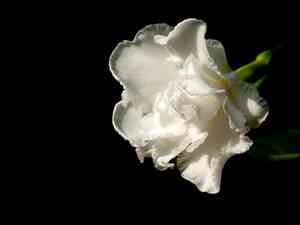
Crape jasmine offers continuous aesthetic value due to its persistent green leaves and prominent white blooms.
2
Crape jasmine is adaptable and suitable for use as a boundary, an individual shrub, or within a diverse planting scheme.
3
Consistent irrigation and periodic trimming contribute to Crape jasmine's attractive appearance and vitality.
Introducing Crape Jasmine to Your Landscape
A brief look at Crape jasmine's visual charm
For a lasting garden enhancement, Crape jasmine shines with its bright white blooms and rich green leaves. Its waxy petals and shiny foliage add sophistication, making it a striking focal point or a lovely backdrop. The flowers also release a pleasant scent, adding sensory pleasure to its beauty, thus creating a peaceful, inviting atmosphere in any garden setting.
General advantages of incorporating Crape jasmine into garden designs
Crape jasmine offers many benefits beyond its attractive appearance. This plant requires relatively little upkeep, is resilient, and can thrive in various soil types. It also provides ecological advantages, such as drawing in pollinators like bees and butterflies, which contribute to your garden's overall health. Moreover, its dense foliage can serve as a natural privacy screen, giving you a lush and secluded outdoor area.
Designing with Crape Jasmine: Optimal Placement
Best spots for planting Crape jasmine for maximum impact
To fully utilize Crape jasmine, it's crucial to consider its light and space needs. This adaptable plant flourishes in both partial shade and full sun, making it suitable for various garden locations. It can be planted along paths to create an attractive border or in the center of a garden bed to serve as a central feature. Additionally, Crape jasmine performs well in containers, making it perfect for patios and smaller gardens.
Companion plants and elements that enhance Crape jasmine's beauty
Crape jasmine pairs beautifully with a variety of other plants and garden features. Combining it with vibrant flowering plants like marigolds or petunias can provide a striking contrast that boosts the garden's overall vibrancy. Additionally, ornamental grasses and ferns can complement Crape jasmine's lush foliage, creating diverse and appealing textures. Incorporating elements like garden stones, water features, or decorative statues can further elevate the aesthetic appeal.
Seasonal Considerations for Crape Jasmine
Optimal times of year for planting Crape jasmine
For best growth, it's advisable to plant Crape jasmine during spring or autumn. These seasons offer moderate temperatures and ample moisture, which help the plant establish its roots more effectively. Avoid planting during extreme weather, such as the height of summer or the depth of winter, to prevent stress on the plant.
How Crape jasmine adapts to different seasons
Crape jasmine is an evergreen plant that offers beauty year-round. During spring and summer, you can expect an abundance of its characteristic white flowers, which can add a refreshing touch to your garden. In autumn and winter, its robust foliage maintains the garden's greenery. Additionally, Crape jasmine is quite resilient to seasonal changes, though a light mulch during winter can help protect its roots in colder climates.
Maintaining Crape Jasmine's Aesthetic Appeal
Tips for preserving the health and look of Crape jasmine
Maintaining Crape jasmine involves some simple yet vital practices. Regular watering, especially during dry periods, ensures the plant stays hydrated. Be cautious of over-watering, as standing water can lead to root rot. Fertilize Crape jasmine during the spring and summer growing seasons with a balanced, slow-release fertilizer to support its flowering and growth. Regular checks for pests and diseases also help keep the plant healthy.
Periodic tasks to ensure the longevity of Crape jasmine in your garden
To ensure Crape jasmine remains a lasting feature in your garden, regular maintenance is crucial. Pruning spent flowers and any dead or diseased branches will encourage new growth and maintain the plant's shape. Winterizing, such as adding mulch over the root zone, can protect it during colder months. Annual soil testing and amending the soil as needed can also provide the plant with the necessary nutrients for continuous growth.
Creative Uses of Crape Jasmine in Landscape Designs
Innovative ways to integrate Crape jasmine into garden themes
Crape jasmine can be a versatile component in various garden themes. For a tropical paradise, pair it with palm trees, hibiscus, and other exotic plants. In a minimalist zen garden, Crape jasmine's elegant flowers can serve as a focal point amidst gravel paths and stone sculptures. As part of an English cottage garden, combine it with a mix of colorful perennials and shrubs to achieve a lush, romantic look.
Examples of stunning garden landscapes featuring Crape jasmine
Several landscape designs prominently showcase Crape jasmine to impressive effect. One notable example is a cascading terrace garden where Crape jasmine is interspersed with flowering vines and low-growing ground covers, creating a layered, waterfall-like appearance. Another example is a formal garden where Crape jasmine bushes are shaped into symmetrical forms and used to line pathways or create structured garden 'rooms.' These creative applications highlight Crape jasmine's versatility and ability to enhance various garden styles.



