Enhancing Your Garden Design with the Flower of Stone Plant: A Landscaping Guide
1
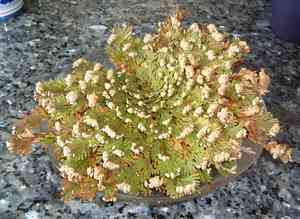
Stone Flower presents a distinct aesthetic due to its varied surface qualities.
2
It integrates seamlessly into different garden styles, such as arid and rocky environments.
3
Appropriate care guarantees vigorous development and enduring viability.
Exploring the Distinctive Beauty of Flower of Stone
Aesthetic appeal and textural variety
A captivating characteristic of Flower of Stone is its notable visual charm and diverse texture, making it a prominent feature in any landscape. The plant's intricate, almost fractal leaf patterns offer a unique texture, setting it apart from typical garden flora. This texture can introduce depth and intrigue to garden beds, especially when paired with plants of contrasting forms.
Color shifts throughout the year
Flower of Stone offers more than just textures; it also presents a delightful array of colors across the seasons. While many plants lose their allure outside their blooming period, Flower of Stone maintains its visual interest year-round. It transitions through various shades, often displaying richer greens during wetter periods and more subdued tones in arid conditions, making it a versatile beauty for your garden's seasonal palette.
Compact growth habit and size
Another benefit of incorporating Flower of Stone into your landscape design is its contained growth pattern. This plant doesn't require much space, making it an excellent choice for both small and large gardens. Its manageable size allows it to fit perfectly into diverse garden spots, providing a harmonious blend with other landscape elements without overpowering them.
Integrating Flower of Stone into Your Garden Designs
Enhancing rock gardens
If you are designing or already possess a rock garden, Flower of Stone can complement it beautifully. Its rugged appearance and ability to flourish with less water make it ideal for such environments. Placing Flower of Stone among rocks and gravel can amplify the natural look of the rock garden, giving it a unified and aesthetically pleasing appearance.
Creating focal points in minimalist designs
In minimalist garden designs, every plant must contribute significantly to visual impact, and Flower of Stone excels at this. Its distinctive look makes it an outstanding focal point. Position Flower of Stone strategically within your minimalist layout to attract attention and break monotony, adding a touch of nature's complexity to simple, clean designs.
Improving Mediterranean or desert landscapes
Flower of Stone is exceptionally well-suited for Mediterranean or desert-themed landscapes, where its drought-resistant nature and striking appearance can be fully appreciated. When combined with other xerophytic plants, Flower of Stone enhances the overall aesthetic and reinforces the intended garden theme. Its ability to endure arid conditions means it will remain an attractive feature even under harsh weather.
Care Guidelines for Flower of Stone in Landscapes
Watering and humidity requirements
Flower of Stone is known for its resilience to dry conditions, but understanding its watering and humidity needs is vital for its maintenance. While it can survive with minimal water, providing a balanced watering schedule that mimics its natural environment will help it thrive. Ensure the soil is well-drained to prevent waterlogging, which can be detrimental to its health.
Sunlight and temperature preferences
Ensuring Flower of Stone receives the correct amount of sunlight and maintaining ideal temperature conditions are crucial for its growth. It generally prefers partial shade but can tolerate full sun if not exposed to extreme temperatures. During hotter months, some shade will help prevent the plant from dehydrating, maintaining its vibrant appearance.
Optimal soil types and drainage conditions
The type of soil and its drainage capacity play critical roles in the health of Flower of Stone. This plant thrives best in soil that mimics its native habitatâgritty and well-drained. If you're planting Flower of Stone in a garden bed, consider adding materials like sand or gravel to improve soil drainage. Raised beds or containers with drainage holes are also effective in preventing soil from retaining too much moisture.
Seasonal Care and Long-Term Development of Flower of Stone
Preparing Flower of Stone for various seasons
Preparing Flower of Stone for seasonal changes involves understanding its needs during different times of the year. During wetter seasons, ensure adequate drainage to prevent root rot. In drier times, occasional deep watering can keep the plant healthy without overwatering. Also, be mindful of its light requirements as the seasons change, providing more shade in peak summer.
Monitoring growth and making adjustments
Regularly observing the growth of Flower of Stone will help you make necessary adjustments to your care routine. Observe changes in leaf color and texture as indicators of its overall health. If the plant appears stressed, it may need a change in water, light, or soil conditions. Trimming any dead parts will also encourage new and healthier growth.
Propagation methods to expand your landscape
Expanding your landscape with more Flower of Stone plants can add consistency and appeal. Propagation is relatively simple; this plant can be propagated by division. Gently separate an existing plant into smaller sections, ensuring each has some roots attached, and plant these divisions where you'd like to see new growth. With proper care, these new plants will soon thrive, enhancing your garden.



