Enhancing Your Garden Design with the Woodland stonecrop Plant: A Landscaping Guide
1
Woodland stonecrop is a adaptable plant that flourishes in diverse garden environments, ranging from structured to wild aesthetics.
2
It complements many companion plants, regardless of sun exposure or shade.
3
Caring for Woodland stonecrop is simple, making it a superb option for both novice and seasoned gardeners.
Understanding the Growth Habits of Woodland stonecrop
General growth characteristics of Woodland stonecrop
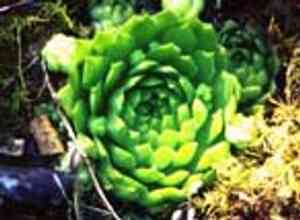
Woodland stonecrop displays a low-lying, ground-covering nature, making it ideal for filling spaces between other plants or for use in rockeries. This plant is recognized for its vibrant green leaves and delicate white blossoms that appear in spring. Its adaptability to various soil types and conditions makes it a robust and versatile option for many landscaping projects.
Seasonal growth patterns
Woodland stonecrop follows a seasonal growth cycle, with its most vigorous development occurring during the spring and early summer months. In autumn, the plant may enter a dormant phase, particularly in colder regions. Understanding these cycles enables gardeners to plan their landscaping projects effectively, ensuring Woodland stonecrop receives proper care throughout the year.
Designing With Woodland stonecrop in Various Landscape Styles
Incorporating Woodland stonecrop in formal garden settings
For formal garden designs, Woodland stonecrop is an excellent choice due to its neat, compact growth habit. It can be utilized to define borders, establish symmetry, or serve as a ground cover that beautifully contrasts with taller, more structured plants. Its subtle elegance and ease of upkeep make it perfect for refined and organized garden designs.
Using Woodland stonecrop in naturalistic or woodland landscapes
Woodland stonecrop is also a superb option for naturalistic or woodland environments. Its native habitat is forested areas, so it thrives in shaded or semi-shaded conditions with filtered sunlight. Integrating Woodland stonecrop into these settings can help create a more natural, seamless transition between cultivated garden areas and the surrounding natural landscape. It can be intermingled with other native plants to foster biodiversity and ecological balance.
Companion Plants for Woodland stonecrop in Landscaping
Best companion plants for sun exposure
In sunny locations, Woodland stonecrop pairs well with plants like lavender, yarrow, and Russian sage, which can provide height and structure. These plants flourish in similar conditions and can create a layered effect in your garden. Their varied textures and colors can enhance the visual appeal and ecological function of your landscape, attracting pollinators and beneficial insects.
Ideal companion plants for shade settings
For shaded areas, consider pairing Woodland stonecrop with ferns, hostas, and astilbes. These companions share a preference for lower light conditions and can thrive alongside Woodland stonecrop in a woodland garden. The contrast between Woodland stonecrop's low-growing form and the larger, more dramatic foliage of these shade-loving plants can create a lush, inviting garden space.
Maintaining Woodland stonecrop in Landscape Designs
Watering and sunlight requirements
To maintain Woodland stonecrop in your landscape, ensure it receives moderate watering, especially during dry spells. This plant prefers well-drained soil and can tolerate periods of drought once established. While Woodland stonecrop enjoys partial to full shade, it can also adapt to sunnier spots with adequate moisture. By monitoring soil moisture and sunlight exposure, you can help Woodland stonecrop thrive and keep it looking its best year-round.
Dealing with common pests and diseases
Woodland stonecrop is generally resistant to most pests and diseases, making it a low-maintenance choice for gardeners. However, it's crucial to watch for common issues such as aphids or fungal infections. Regular inspection, good airflow around the plants, and maintaining clean garden practices can help prevent and manage any potential problems.
Creative Ways to Showcase Woodland stonecrop in Outdoor Spaces
Highlighting Woodland stonecrop in container gardening
Container gardening offers a fantastic way to display Woodland stonecrop on patios, balconies, or garden terraces. Select containers with good drainage and fill them with a well-draining potting mix. Woodland stonecrop can be used as a central plant in smaller pots or combined with other perennials in larger containers to create a dynamic, layered effect.
Building attractive Woodland stonecrop-centered rock gardens
Rock gardens are another wonderful setting for Woodland stonecrop. Its low-growing habit and attractive foliage complement the rugged textures of rocks and gravel. Create a visually stunning rock garden by positioning Woodland stonecrop around and between rocks, allowing it to spread naturally. This setup not only looks beautiful but also mimics its natural habitat, enhancing its growth and resilience.



