Enhancing Your Garden Design with the Peruvian peppertree Plant: A Landscaping Guide
1
The Peruvian peppertree offers superb shade and tolerates arid conditions well, ideal for dry regions.
2
Consistent trimming of the Peruvian peppertree encourages more robust development and preserves its aesthetic.
3
Introducing Peruvian peppertree into your landscape can support local fauna by offering refuge and sustenance.
Introducing Peruvian Peppertree in Landscape Design
Appreciating the aesthetic qualities of Peruvian peppertree
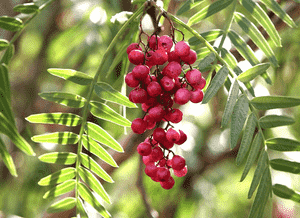
When incorporating Peruvian peppertree into your landscape, it's vital to recognize its distinct aesthetic charm. The tree's gently drooping branches create a graceful, serene, and picturesque ambiance in any garden. With its evergreen leaves and attractive bark, Peruvian peppertree adds elegance throughout the year. Its delicate foliage, coupled with clusters of small berries, captures attention and establishes a focal point in your garden layout.
Overview of Peruvian peppertree's defining characteristics
Peruvian peppertree is recognized for its unique attributes that make it prominent in any setting. It is a rapidly growing, evergreen tree that can reach heights of up to 25 feet, offering ample shade. The tree features long, feathery leaves and produces small, reddish-pink peppercorns that not only enhance its beauty but are also useful in various culinary applications. Its twisted trunk and gnarled branches provide a rustic, ancient feel, making it an ideal centerpiece in any garden.
Selecting the Optimal Site for Peruvian Peppertree
Evaluating sun exposure needs for peak development
Peruvian peppertree flourishes in full sun and requires at least six hours of direct sunlight daily for healthy growth. When choosing a planting location, ensure the area receives abundant sunlight, especially in the morning. Avoid shaded spots or areas where taller structures or trees might obstruct the sun. For optimal development, consider placing Peruvian peppertree on the south or west side of your garden where it can absorb plenty of sun.
Analyzing soil composition and drainage
Soil quality is critical for the robust growth of Peruvian peppertree. This tree prefers well-drained soil and can tolerate various soil types, including sandy and loamy soils. However, poor drainage can lead to root rot, so it's crucial to select a spot where water does not accumulate. Amending the soil with organic matter, such as compost, can improve its structure and nutrient content. Additionally, aim for a slightly acidic to neutral pH level for the best growing conditions.
Incorporating Peruvian Peppertree into Your Garden Scheme
Suggestions for companion plants
Integrating Peruvian peppertree into your landscape involves careful selection of companion plants. Consider pairing Peruvian peppertree with drought-tolerant shrubs and ground cover plants like lavender, sage, or rosemary. These not only align with the tree's water requirements but also enhance visual appeal with contrasting colors and textures. Additionally, native grasses and wildflowers can create a harmonious and natural look, fostering a balanced ecosystem.
Design considerations: height, color, and texture
Designing your garden with Peruvian peppertree necessitates an understanding of its height, color, and texture. Due to its considerable stature, it can serve as a striking vertical element, perfect for creating focal points or natural boundaries. The grayish bark and green foliage offer a soft, calming color palette. Introduce textural variety by planting softer-leaved plants, such as ornamental grasses, around the base of Peruvian peppertree. Incorporating colorful perennials will break monotony and add seasonal bursts of color.
Maintaining the Vitality and Appearance of Peruvian Peppertree
Guidelines for regular pruning and trimming
Pruning is vital for preserving the health and aesthetic appeal of Peruvian peppertree. Regular trimming helps manage its size and shape, preventing overgrowth. Begin by removing dead or diseased branches to improve air circulation. The best time to prune is in late winter or early spring before new growth starts. Always use sharp, clean tools for precise cuts and to encourage faster healing. Periodically trimming lower branches can create space beneath the tree, allowing sunlight to reach underplantings.
Adjustments for seasonal care
Seasonal care plays a significant role in keeping Peruvian peppertree healthy. During the active growth period, ensure the tree receives adequate water, especially in its first few years after planting. Mulching around the base helps retain moisture and regulate soil temperature. In autumn, remove fallen leaves and debris to prevent pest infestations. Winter protection, such as using frost covers or insulating mulch, can shield young trees from frost damage. Adjust your care routine seasonally to support robust growth.
The Ecological Impact of Planting Peruvian Peppertree
Benefits for local wildlife and ecosystems
Planting Peruvian peppertree offers substantial environmental advantages, particularly for local wildlife. The tree's dense foliage and berries provide shelter and food for birds and small animals. Its flowers also attract pollinators like bees, which are crucial for ecosystem health. By planting Peruvian peppertree, you contribute to creating a diverse habitat that supports various species, promoting ecological balance in your garden.
Considerations for Peruvian peppertree's adaptation to local climate
Peruvian peppertree is highly adaptable to diverse climates, making it a versatile choice for gardening enthusiasts. It thrives in warm, dry regions but can also tolerate occasional frost and cooler temperatures. However, it's essential to consider your local climate when integrating Peruvian peppertree into your landscape. In areas with high rainfall, ensure proper drainage to prevent waterlogging. Understanding the tree's adaptability will help you make informed decisions about its care and placement, ensuring a healthy and vibrant garden.



