Enhancing Your Garden Design with the Brahma kamal Plant: A Landscaping Guide
1
Brahma kamal offers a distinct aesthetic appeal that enhances any garden setting.
2
Thoughtful placement of Brahma kamal can optimize its visual effect and attractiveness.
3
Knowing Brahma kamal's seasonal cycles assists in improved landscape design.
Appreciating the Aesthetic Appeal of Brahma Kamal
What distinct visual characteristics does Brahma Kamal present?
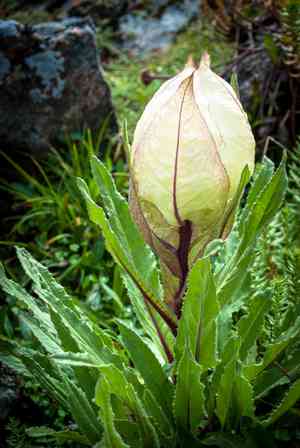
The charm of Brahma Kamal stems from its unique flower, which captivates with its intricate layers and graceful shape. Its striking beauty is amplified by the contrast between its pure white petals and the vibrant green foliage, creating a prominent visual highlight in any garden. Furthermore, Brahma Kamal frequently blossoms at night, adding an element of surprise and delight for garden enthusiasts. Considering the distinct visual attributes of Brahma Kamal, it's clear why this plant holds a special place for both gardeners and landscape designers.
Comparing hue and texture with other garden flora
When contrasting Brahma Kamal with other garden plants, its immaculate white bloom stands out against the typical spectrum of vivid colors found in a garden. This contrast can be utilized to emphasize the plant and draw attention to particular areas of your landscape design. The texture of Brahma Kamal is also noteworthyâits firm, waxy petals resist wilting, retaining their beauty longer than more delicate flowers. Integrating Brahma Kamal with various plants of differing textures and colors can forge a harmonious yet dynamic garden palette.
Integrating Brahma Kamal into Your Landscape Design
Strategic placement for maximum visual effect
To maximize Brahma Kamal's impact in your garden, consider positioning it where its beauty can be fully appreciated, such as along walkways, near seating areas, or as a central feature in a flower bed. Planting Brahma Kamal in groupings can amplify its visual appeal, creating a more dramatic effect. Additionally, since Brahma Kamal blooms at night, planting it in spots that receive soft moonlight can accentuate its ethereal glow and provide a magical nighttime garden experience.
Complementary plants that enhance Brahma Kamal's beauty
Pairing Brahma Kamal with complementary plants can elevate your garden's overall aesthetic. Plants with darker foliage or blooms, like deep purple irises or dark green ferns, can create a stunning backdrop for Brahma Kamal, making its white petals more prominent. Moreover, surrounding Brahma Kamal with plants that have varied bloom times ensures there's always something in flower, keeping your garden vibrant and engaging throughout the growing season.
Seasonal Considerations for Brahma Kamal in Landscaping
Optimal times of year for planting Brahma Kamal
The ideal time to plant Brahma Kamal largely depends on your local climate. Generally, the best periods for planting are in spring or early summer when temperatures are mild and the risk of frost has passed. This allows the plant ample time to establish itself before the more extreme temperatures of summer or winter arrive. Be sure to select a well-drained location that receives abundant sunlight, as this enables Brahma Kamal to flourish and bloom beautifully.
How Brahma Kamal's appearance transforms with the seasons
Throughout the year, Brahma Kamal undergoes subtle changes that can contribute to your garden's dynamic nature. In spring and summer, it dazzles with its lush foliage and beautiful blooms. As the colder months approach, Brahma Kamal may shed some leaves, but its structural form and remaining blooms can offer textural interest and a hint of color against the winter landscape. Understanding these seasonal shifts allows you to strategically plan your garden's aesthetic, ensuring year-round beauty.
Maintenance Guidelines for Brahma Kamal in Your Garden
Basic care and grooming for Brahma Kamal
Maintaining Brahma Kamal in your garden requires some fundamental care to keep it looking its best. Regular watering, especially during dry spells, helps maintain plant health. Removing spent blooms not only keeps the plant tidy but also encourages new growth. Light pruning can help preserve its shape and prevent overcrowding. Additionally, applying a layer of mulch around the plant's base can help retain moisture and regulate soil temperature.
Addressing common issues without complex care instructions
Despite its resilience, Brahma Kamal can occasionally encounter problems such as pest infestations or fungal diseases. Regularly inspecting the plant for signs of trouble allows for early intervention, such as by using organic pesticides or natural remedies. Ensuring good air circulation around the plant can also help prevent disease. By monitoring Brahma Kamal's overall health, you can enjoy a beautiful, low-maintenance addition to your garden.
The Symbolic Importance of Brahma Kamal in Landscaping
Cultural and historical significance of Brahma Kamal in garden designs
Beyond its physical beauty, Brahma Kamal carries considerable cultural and historical weight in many regions. Often linked with purity, spirituality, and transcendence, incorporating Brahma Kamal into your garden can infuse the space with a deeper sense of meaning and tranquility. This symbolic significance can be particularly potent when designing a garden intended for meditation or reflection, as Brahma Kamal can serve as a reminder of nature's serene and contemplative qualities.
Integrating Brahma Kamal to create a themed garden area
Utilizing Brahma Kamal as a central element in themed garden spaces can create a cohesive and impactful design. For instance, in a moon garden designed for nighttime enjoyment, the luminous quality of Brahma Kamal can shine beautifully under the moonlight. In a Zen or meditation garden, Brahma Kamal's serenity and purity can act as a focal point, enhancing the tranquil atmosphere. Thoughtfully integrating Brahma Kamal into your garden's theme not only enhances its beauty but also deepens its emotional and symbolic resonance.



