Enhancing Your Garden Design with the Purple pitcher plant Plant: A Landscaping Guide
1
The Purple pitcher plant offers a distinct visual appeal to any garden due to its unique pitcher-like foliage.
2
Selecting an appropriate site for your Purple pitcher plant guarantees its best development and attractive appearance.
3
Sustainable methods can boost the ecological advantages of adding Purple pitcher plant to your outdoor space.
Introducing Purple pitcher plant to Your Outdoor Space
Understanding the Visual Appeal of Purple pitcher plant
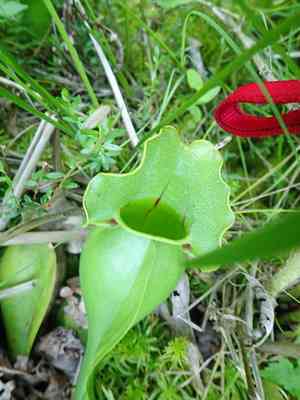
Purple pitcher plant is recognized for its vibrant and distinct look, featuring pitcher-shaped foliage that can introduce a striking visual element to any garden. Its hues span from deep purples to bright greens, making it a versatile plant for various garden themes. Its unusual form not only captures attention but can also establish beautiful focal points in your landscape. For gardeners aiming to add variety and visual intrigue, Purple pitcher plant is an excellent selection.
Selecting the Optimal Site for Purple pitcher plant
Choosing the appropriate location for Purple pitcher plant in your garden is vital for its development and aesthetic contribution. Purple pitcher plant flourishes in areas with partial to full sun exposure, so finding a spot that receives ample sunlight throughout the day is important. Furthermore, Purple pitcher plant prefers acidic, well-drained soil and often thrives in boggy conditions. Ensuring the soil conditions and light levels match the plant's natural habitat will foster healthy growth and a stunning display of its unique characteristics.
Companion Plants that Harmonize with Purple pitcher plant
When integrating Purple pitcher plant into your garden, it's advantageous to consider plants that complement its striking appearance. Plants sharing similar soil and sunlight needs, such as ferns, mosses, and other bog-loving species, can create a cohesive and visually pleasing landscape. Additionally, selecting plants with contrasting heights and textures can enhance the overall aesthetic, making Purple pitcher plant stand out even more. Thoughtfully choosing companion plants will not only support Purple pitcher plant's growth but also elevate your garden's design.
Design Considerations for Incorporating Purple pitcher plant
Creating Visual Interest with Purple pitcher plant
Purple pitcher plant can serve as a captivating focal point in your garden, attracting attention with its distinct shape and color. To maximize visual interest, consider placing Purple pitcher plant in an area where it can be easily observed, such as along pathways, near patios, or in dedicated garden beds. The dynamic and eye-catching nature of Purple pitcher plant makes it an ideal choice for gardeners looking to create a unique and engaging outdoor space. Pairing it with decorative stones or mulch can further highlight its beauty.
Balancing Sunlight and Shade for Purple pitcher plant
Achieving the correct balance of sunlight and shade is crucial for Purple pitcher plant's health and appearance. While Purple pitcher plant enjoys abundant sunlight, it's important to prevent excessive exposure, which can lead to scorching. Ideally, position Purple pitcher plant where it can absorb morning sun and benefit from afternoon shade, ensuring optimal conditions for its pitchers to thrive. This balance will help maintain the plant's vibrant colors and health, contributing to a long-lasting and visually appealing garden feature.
Enhancing Thematic Landscapes with Purple pitcher plant
Purple pitcher plant is a versatile plant that can seamlessly integrate into various thematic landscapes, from modern minimalist to lush tropical gardens. Its unique appearance can complement contemporary designs by adding an element of natural artistry. In theme gardens, such as carnivorous plant displays or wetlands-inspired landscapes, Purple pitcher plant can take center stage, reinforcing the overall theme. Carefully integrating Purple pitcher plant into your chosen garden style can enrich the visual and thematic cohesion, creating a more immersive and enjoyable outdoor space.
Maintenance Tips for Purple pitcher plant in Landscaping
Seasonal Considerations for Purple pitcher plant
Understanding the seasonal requirements of Purple pitcher plant is vital for its ongoing health and visual appeal. During the active growth period, Purple pitcher plant needs consistent moisture and regular monitoring to prevent the soil from drying out. As temperatures decrease in the autumn, it's important to prepare Purple pitcher plant for dormancy by reducing watering and ensuring it is not exposed to frost. Implementing these seasonal care strategies will help maintain Purple pitcher plant's vitality and ensure it continues to enhance your garden year after year.
Managing Growth and Spread of Purple pitcher plant
To keep Purple pitcher plant looking its best, regular maintenance practices such as removing dead leaves and controlling its spread are necessary. While Purple pitcher plant is not an aggressive spreader, keeping an eye on its growth and ensuring it doesn't overshadow other plants is important. Pruning dead or dying pitchers will keep the plant looking neat and encourage new growth. By staying on top of these maintenance tasks, you can ensure that Purple pitcher plant remains a stunning focal point in your garden.
Eco-Friendly Practices with Purple pitcher plant in Your Garden
Supporting Local Ecology with Purple pitcher plant
Planting Purple pitcher plant in your garden not only enhances its beauty but also supports local wildlife and ecology. Purple pitcher plant can attract a variety of insects, which in turn can draw in birds and other insect-eating animals, creating a mini ecosystem. By providing habitat and food sources for local species, Purple pitcher plant contributes to biodiversity and the overall health of your garden environment. Incorporating Purple pitcher plant into your landscape is a simple yet effective way to support and encourage local biodiversity.
Water Conservation and Purple pitcher plant
An added benefit of growing Purple pitcher plant is its relatively low water requirement compared to other garden plants. Once established, Purple pitcher plant can thrive with minimal irrigation, making it an excellent choice for gardeners focused on water conservation. By mulching around the base of the plant, you can help retain moisture in the soil, further reducing the need for frequent watering. Incorporating Purple pitcher plant into your garden not only adds visual interest but also promotes sustainable gardening practices.



