Enhancing Your Garden Design with the Yellow pitcherplant Plant: A Landscaping Guide
1
The Yellow pitcherplant serves as a superb option for establishing distinctive centerpieces in any garden setting.
2
It is essential to choose a spot with abundant direct sunlight for the Yellow pitcherplant to flourish.
3
Consistent upkeep and seasonal attention are vital for preserving the well-being and aesthetic appeal of the Yellow pitcherplant.
Introducing Yellow pitcherplant to Your Garden
Why Choose Yellow pitcherplant for Landscaping?
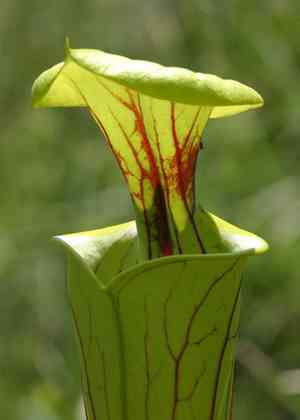
Incorporating Yellow pitcherplant into your garden can introduce an exotic flair while seamlessly integrating into diverse garden aesthetics. Renowned for its visually striking, tubular leaves, Yellow pitcherplant commands attention and provides a distinct beauty that sets it apart from typical garden flora. It also serves as an excellent conversation starter for guests, offering a fascinating glimpse into the realm of carnivorous plants. Whether you're a novice gardener or a seasoned enthusiast, Yellow pitcherplant can elevate your landscape design with minimal effort.
Selecting the Right Location for Yellow pitcherplant
Placement is crucial for Yellow pitcherplant's prosperity. Ensure it receives ample sunlight, ideally a minimum of six hours of direct light daily. Avoid shaded areas as these can impede its development and vigor. The soil should be acidic and well-draining to mimic its natural environment. When planting Yellow pitcherplant, consider your garden's layout and how this plant will complement existing features and structures.
How to Plant Yellow pitcherplant for Optimal Growth
Planting Yellow pitcherplant involves a few straightforward procedures. First, prepare a mixture of sphagnum peat moss and perlite to create a suitable growing medium. Dig a hole larger than the root ball and position the plant at the same depth it was growing in its original container. Water thoroughly immediately after planting to help settle the soil and eliminate air pockets. Consistent watering, especially during the initial months, will support robust root establishment.
Designing Your Landscape with Yellow pitcherplant
Creating Focal Points with Yellow pitcherplant
Yellow pitcherplant is ideal for establishing dramatic visual focal points. Place them in prominent areas within your garden, such as alongside pathways, near water features, or as solitary specimens in garden beds. Their distinctive form and vibrant coloration attract the eye, making them a centerpiece in any design. Cultivate groupings of Yellow pitcherplant to create a striking impact, and pair them with simpler, more understated plants to accentuate their beauty.
Complementing Yellow pitcherplant with Other Plants
Pairing Yellow pitcherplant with appropriate companions can enhance your garden's overall appearance. Consider plants that thrive in similar conditions, such as other carnivorous plants or acid-loving species like ferns and azaleas. The contrast between the structural integrity of Yellow pitcherplant and the softer foliage of companion plants can add layers of texture and interest. This approach creates a balanced composition that is visually appealing and naturally harmonious.
Maintaining Yellow pitcherplant in Your Landscape
Basic Maintenance Tips for Yellow pitcherplant
Maintain Yellow pitcherplant with consistent care to ensure it remains healthy and vibrant. Watering should be regular, using rainwater or distilled water to prevent mineral accumulation. Keep the soil moist but not waterlogged. Periodically check for dead or brown foliage and trim it away to encourage new growth. It's also beneficial to gently rinse the plants to keep them free from dust and debris.
Seasonal Care for Yellow pitcherplant
As seasons change, so do the care requirements for Yellow pitcherplant. In spring and summer, focus on ensuring sufficient sunlight and moisture. During autumn, slightly reduce watering to prevent root rot but still keep the soil damp. As winter approaches, apply mulch around the base to protect the roots from freezing. Although Yellow pitcherplant is hardy, it benefits from a little extra attention during colder months to emerge strong and healthy in the spring.
Benefits of Including Yellow pitcherplant in Your Garden
Environmental Benefits of Yellow pitcherplant
Yellow pitcherplant offers several environmental advantages. As a carnivorous plant, it naturally aids in controlling insect populations, reducing the need for chemical pesticides. This can lead to a healthier garden ecosystem. Furthermore, Yellow pitcherplant can flourish in poor soil conditions, meaning it can help restore and stabilize areas where other plants might struggle.
Aesthetic and Health Benefits
The aesthetic appeal of Yellow pitcherplant is undeniable, bringing a touch of elegance and distinctiveness to any garden. Beyond visual benefits, gardening with Yellow pitcherplant can be therapeutic, offering a sense of accomplishment and a peaceful pastime. The process of planting and maintaining Yellow pitcherplant can alleviate stress, enhance mental clarity, and provide a fulfilling connection to nature.



