Enhancing Your Garden Design with the Snake plant Plant: A Landscaping Guide
1
The snake plant is recognized for requiring minimal upkeep, making it a popular choice for plant enthusiasts.
2
It complements a wide range of plant types, bringing both aesthetic appeal and variety to garden designs.
3
Ideal for compact areas, the snake plant offers form and elegance without dominating the space.
Integrating Sansevieria into Contemporary Landscaping
Effortless upkeep with aesthetic appeal
A key characteristic of Sansevieria is its remarkable ease of care. Gardeners with busy schedules or limited experience can appreciate that Sansevieria flourishes even with minimal attention. This doesn't mean it sacrifices beauty for practicality; its upright, blade-like foliage adds a modern, structural elegance to any garden or indoor setting. With infrequent watering and occasional cleaning, Sansevieria remains vibrant, ensuring your outdoor space stays fresh and refined with little effort.
Compatibility with diverse plant species
Incorporating Sansevieria into your garden plan offers incredible adaptability due to its ability to blend with a wide range of plant types. Whether you're cultivating succulents, tropical flora, or blooming shrubs, Sansevieria can seamlessly integrate, providing a balanced and unified appearance. This plant's striking, vertical form contrasts beautifully with horizontally growing plants, creating varied textures and an engaging visual environment.
Advantages of utilizing Sansevieria in confined areas
For gardeners with restricted space, Sansevieria can be transformative. Its compact growth habit makes it perfect for small gardens, patios, or even balcony arrangements. Unlike sprawling plants that demand significant room to thrive, Sansevieria can be potted into small containers or positioned in tight corners, introducing greenery and a touch of nature to the most minuscule spaces without appearing cluttered.
Design Principles Featuring Sansevieria
How to establish focal points with Sansevieria
Sansevieria excels as a central feature in landscape design. To draw attention and anchor a garden bed, position tall specimens at key locations. For example, use Sansevieria to line pathways or accentuate garden elements like fountains or sculptures. Its bold, upright leaves stand out, making it a natural centerpiece. Pairing it with low-growing ground covers can further enhance its prominence.
Achieving color and texture balance in your garden
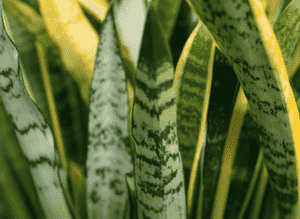
Balancing color and texture is vital in landscape design, and Sansevieria can help achieve this effortlessly. With its deep green leaves accented by lighter patterns, Sansevieria introduces both color contrast and textural interest. Combine it with plants that have softer foliage or vibrant blossoms to craft a visually appealing and dynamic garden area. Mixing different textures, such as pairing Sansevieria with delicate ferns, creates depth and visual intrigue.
Concepts for mass plantings with Sansevieria
Mass plantings with Sansevieria can transform a dull area into a lively scene. Arrange several Sansevieria plants together for a lush, dense look, particularly effective along borders or as foundation plantings. For a more layered effect, combine Sansevieria with trailing plants like ivy or creepers to soften its rigid lines and add complexity to your garden's overall structure.
Practical Advice for Integrating Sansevieria in Outdoor Environments
Selecting the optimal placement for Sansevieria in your yard
Choosing the ideal spot for Sansevieria is crucial for its prosperity. Ideally, position it in an area that receives indirect sunlight, as direct sun can scorch its leaves while complete shade may hinder its development. Consider your garden's microclimates; Sansevieria prefers warm, slightly dry conditions and can endure some neglect, making it perfect for sunny corners that are too arid for moisture-loving plants.
Maintenance strategies for extended vitality
To maintain your Sansevieria's health and vibrancy, adhere to simple care routines. Water sparingly, as it is drought-tolerant and susceptible to root rot if over-watered. Ensure the soil drains well and avoid excessive fertilization, which can lead to leaf burn. Remove any dead or yellowing leaves to keep the plant looking its best. With these guidelines, your Sansevieria will remain a robust element in your landscape for many years.
Seasonal considerations for Sansevieria
Understanding seasonal requirements is vital for Sansevieria's longevity. While it thrives in warm temperatures, moving your plants indoors during winter can prevent frost damage. Reduce watering during colder months as the plant's growth slows. By adapting your care routine with the changing seasons, you ensure that your Sansevieria stays healthy and ready to enhance your landscape throughout the year.
Creative Applications of Sansevieria in Landscape Design
Innovative container choices for Sansevieria
Utilizing Sansevieria in containers unlocks a world of design possibilities. Opt for sleek, contemporary pots to emphasize its architectural appeal, or select rustic, natural containers for an organic aesthetic. Containers allow you to relocate and rearrange Sansevieria, keeping your garden dynamic and flexible. Pair different sizes of Sansevieria in a variety of containers for a striking, multi-level display.
Employing Sansevieria as a natural air purifier
Sansevieria is celebrated not only for its visual charm but also for its air-cleansing capabilities. Incorporating it into your landscape can improve the air quality of outdoor living areas. Position Sansevieria near patios or seating zones where you spend the most time to benefit from its capacity to filter toxins and enhance the air you breathe.
Mix-and-match approaches for diverse visual impact
To create a visually engaging garden, experiment with mix-and-match strategies using Sansevieria. Combine it with bright, flowering plants for bursts of color against its green backdrop or with other succulents for a low-maintenance, unified appearance. The key is to experiment with heights, textures, and colors, ensuring that each plant complements the others to form a harmonious yet varied garden space.



