Enhancing Your Garden Design with the Wisconsin weeping willow Plant: A Landscaping Guide
1
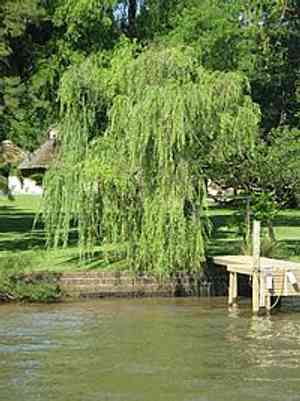
The Wisconsin weeping willow offers a distinct aesthetic to your outdoor space through its flowing branches and graceful leaves.
2
Correct positioning and maintenance are crucial for the robust development of the Wisconsin weeping willow.
3
Incorporating the Wisconsin weeping willow alongside suitable plants can achieve a balanced garden layout.
Why Opt for Wisconsin Weeping Willow in Your Garden?
Visual Allure: The Distinctive Charm of Wisconsin Weeping Willow
Wisconsin weeping willow is celebrated for its striking appearance, making it a prominent feature in any garden. Its cascading branches and rich, green foliage create an enchanting, drooping effect that can introduce an element of grace and serenity to your outdoor area. This unique visual appeal makes Wisconsin weeping willow a favored selection among landscape designers and garden enthusiasts seeking to add a dramatic flair to their schemes.
Seasonal Interest: Enjoyment Throughout the Year
Wisconsin weeping willow offers beauty across all seasons. In spring and summer, its dense leaves provide ample shade and a refreshing green hue, while in autumn, the foliage may transform into vibrant colors before shedding. Even in winter, the elegant form of Wisconsin weeping willow's branches can add a sculptural element to the garden, ensuring there's always something captivating to observe, regardless of the time of year.
Optimal Practices for Planting Wisconsin Weeping Willow in Your Landscape
Selecting the Ideal Spot: Sun Exposure and Soil Needs
For Wisconsin weeping willow to flourish, choosing an appropriate planting site is essential. Wisconsin weeping willow prefers areas with full sun to partial shade. It thrives best in moist, well-drained soils but is quite adaptable to various soil types, provided they are not excessively dry. Ensure the location offers ample room for the tree to expand and thrive over time.
Spacing for Vigor and Aesthetics
Correct spacing is crucial for both the health of Wisconsin weeping willow and the visual appeal of your landscape. Guarantee sufficient distance between Wisconsin weeping willow and other plants or structures to prevent overcrowding. Adequate spacing helps avert competition for nutrients and water, allowing Wisconsin weeping willow to grow robustly. It also ensures the treeâs distinctive shape and structure can be admired without obstruction.
Integrating Wisconsin Weeping Willow with Other Plants for a Harmonious Look
Complementary Plants: Cultivating Visual Harmony
To achieve a cohesive landscape design, consider pairing Wisconsin weeping willow with other plants that enhance its appearance. Plants with contrasting forms and colors, such as ornamental grasses or flowering perennials, can accentuate the weeping silhouette of Wisconsin weeping willow. Utilizing diverse heights and textures can boost the visual interest and harmony of your garden.
Avoiding Common Planting Errors
When planting Wisconsin weeping willow, it's vital to steer clear of typical mistakes like planting too deeply, insufficient watering, or choosing an unsuitable location. Ensure the root ball is level with the surrounding soil surface and thoroughly water the tree after planting. Additionally, be mindful of the treeâs mature size when selecting its spot to prevent future issues with space and upkeep.
Caring for Wisconsin Weeping Willow: Tips for Robust Growth
Pruning Methods: Maintaining Form and Vitality
Pruning Wisconsin weeping willow is essential for preserving its shape and overall health. Regular trimming helps remove dead or diseased branches, encourages healthy new growth, and manages the treeâs size. Aim to prune in late winter or early spring before new growth begins. Focus on thinning out dense areas and cutting back any unruly branches to maintain the treeâôs weeping structure.
Seasonal Care Adjustments
Wisconsin weeping willow requires different care adjustments throughout various seasons to remain healthy. In spring and summer, ensure the tree receives adequate water, especially during dry spells. Mulching around the base can help retain moisture and suppress weeds. In autumn, clear away fallen leaves and debris to prevent potential diseases. During winter, protect young trees from frost damage by wrapping the trunk with a protective covering.
Common Challenges and Solutions with Wisconsin Weeping Willow
Managing Pests and Diseases: Prevention and Control
Wisconsin weeping willow is susceptible to certain pests and diseases, such as aphids, scale insects, and root rot. Regular inspection of the tree can aid in early detection and management of these issues. Employ appropriate insecticides or natural predators to control pest infestations. To prevent diseases, ensure proper air circulation and avoid over-watering to maintain healthy roots.
Addressing Environmental Stressors
Environmental stress factors like drought, extreme temperatures, or poor soil conditions can impact Wisconsin weeping willowâs health. Providing sufficient water during dry periods, improving soil quality with organic matter, and ensuring proper mulching can alleviate stress. Additionally, positioning Wisconsin weeping willow in a location with some wind protection can help prevent damage from strong winds.



