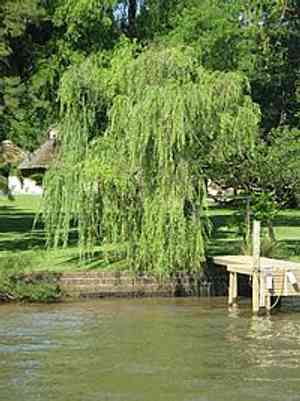
Wisconsin weeping willow (Salix pendulina)
Also known as: Weeping Willow, Pendulous Willow
Salix babylonica, known as the weeping willow, is a medium to large deciduous tree, typically reaching a height of 20 to 25 meters. This tree is known for its rapid growth but relatively short lifespan, usually ranging from 40 to 75 years. The branches are yellowish-brown and adorned with small buds. Its leaves are arranged alternately in a spiral pattern, slender, and light green, measuring 4 to 16 cm in length and 5 to 20 mm in width. The leaves have finely serrated edges and taper to long, pointed tips.
In This Article
Attributes of Wisconsin weeping willow
Lifespan
Perennial
Plant Type
Tree, Shrub
Plant Height
9 m to 15 m
Spread
5-15 meters
Leaf Color
Bright green
Flower Size
1-2 cm
Flower Color
Yellowish-green
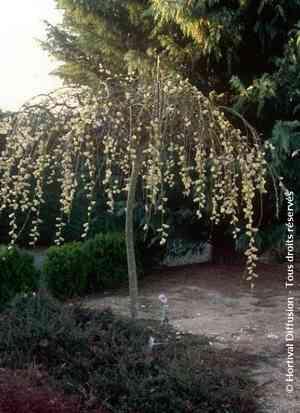
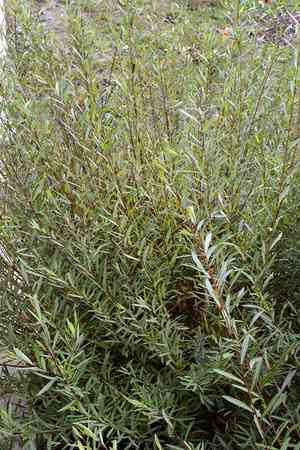
Images of Wisconsin weeping willow


Quickly Identify Wisconsin weeping willow
1
Look for a large tree with drooping branches that create a sweeping, umbrella-like canopy. Its leaves are narrow, lanceolate, and bright green on top with a paler underside. In spring, it produces catkins that are yellowish-green in color.
Scientific Classification of Wisconsin weeping willow
Phylum
Vascular plants
Class
Dicotyledons
Order
Malpighiales
Family
Willow
Genus
Willows
Species
Wisconsin weeping willow
Planting and Growing of Wisconsin weeping willow
Care Difficulty
Easy
Watering Schedule
Every 3 days
Sunlight Requirements
Full sun
Sunshine Duration
4-8 hours
Ideal Temperature
50-77℉
Soil Type
Potting Mix, Peat Mix
Soil pH
6.5-7.5
Fertilizer Type
Balanced
Pruning Season
Spring, Summer
Pruning Area
Branches, Leaves
Pruning Frequency
2 times a year
Repotting Season
Spring
Pot Type
Plastic, Ceramic
 How to Water Wisconsin weeping willow?
Salix pendulina loves moist soil, requiring around 1000 ml of water per session. The soil should be evenly moist but not waterlogged. To achieve this, the water should permeate through to a depth of at least 6 inches, ensuring that the roots enjoy consistent moisture levels.
What are the symptoms of an underwatered Wisconsin weeping willow?
›
What should I do if my Wisconsin weeping willow is not getting enough water?
›
What are the symptoms of an overwatered Wisconsin weeping willow?
›
How to save an overwatered Wisconsin weeping willow?
›
 What Are the Sunlight Requirements for Wisconsin weeping willow?
Providing Salix pendulina with full to partial sunlight supports its photosynthetic needs, enhancing growth, foliage density, and overall plant health.
What are the ideal light conditions for Salix pendulina?
›
How can I ensure my Salix pendulina gets ideal light?
›
What benefits does ideal light provide to Salix pendulina?
›
 What Is the Ideal Temperature Range for Wisconsin weeping willow?
Salix pendulina thrives best in temperatures ranging from 50°F to 77°F. This range provides a balance of warmth and coolness, encouraging ideal growth and development. Within this temperature range, the plant's photosynthesis processes occur efficiently, enabling healthy foliage and blossoms.
 What Soil is Best for Wisconsin weeping willow?
Salix pendulina thrives in soil with good drainage. Well-drained soils prevent waterlogging, which can cause root rot or other fungal diseases. Drainage ensures that roots receive sufficient oxygen, promoting healthy growth and development. While drainage is important, the soil should also retain moisture to support the willow's preference for moist environments. A balance of both allows the plant to remain hydrated without becoming waterlogged, leading to robust growth. Loam or sandy loam, being rich in organics, provides Salix pendulina with essential nutrients. This nutrient availability supports overall plant vigor, ensuring resilience against stressors such as pests and environmental changes.
 How to Fertilize Wisconsin weeping willow?
When it comes to applying fertilizer to Salix pendulina, moderation is key. Use about 1.5 to 2 pounds of a well-balanced granular fertilizer per 100 square feet. For liquid fertilizer, a dilute solution should be sufficient. Always read the label for exact measurements.
 How to Prune Wisconsin weeping willow?
Start by removing any dead or diseased branches to prevent the spread of infections. Cut back to healthy wood, making your cuts just above a bud or lateral branch. Proceed with shaping the tree to maintain its elegant, weeping structure, ensuring to trim the longest branches to maintain balance. Cut at natural growth points to encourage graceful regrowth. Thin out any dense clusters within the canopy to improve air circulation which reduces the risk of fungal diseases. Remove some crossing branches as well to prevent rubbing wounds.
More About Pruning Techniques→
 How to Propagate Wisconsin weeping willow plant?
1
Choose a vigorous and healthy plant from which to take cuttings. This will ensure that the cuttings are more likely to root successfully and grow into robust new plants.
2
Cut a section of new growth from the willow, typically 6 to 12 inches long. Remove the leaves from the bottom half of the cutting to prevent rot and to allow for the clear transfer of nutrients.
3
Dip the cut end in rooting hormone and plant it into a pot filled with potting mix. Water thoroughly and place the pot in a location with bright, indirect sunlight.
 How to Repot Wisconsin weeping willow plant?
1
Keep an eye on your Salix pendulina in early spring. When you see roots emerging from the drain holes or note the soil retaining water longer than usual, these are cues that your weeping willow needs a bigger pot. Repotting at the right time ensures optimal growth and prevents root-bound conditions.
2
Opt for a pot that is at least 2 inches larger in diameter than the current one. Make sure it has adequate drainage holes to prevent excess water retention, which willow dislikes. A terra-cotta or ceramic pot is ideal as it allows the soil to breathe, offering the roots a healthy environment.
3
Choose a well-draining loamy soil mix, ideally one enriched with organic matter. This type of soil provides the right balance of drainage and nutrients, promoting strong root development. A balanced mix prevents waterlogging, which is crucial for the health of your weeping willow.
Learn More About Wisconsin weeping willow Diseases
Anthracnose
Bacterial Leaf Spot
Black Spot
Chemical Injury
Crown Gall
Damping-off
Downy Mildew
Drought Stress
Fire Blight
Fusarium Wilt
Gray Mold
Leaf Curl
Leaf Spot
Mosaic
Nutrient Deficiency
Nutrient Toxicity
Powdery Mildew
Root Rot
Root-knot Nematode
Rusts
Sooty Mold
Spider Mites
Temperature Stress
Thrips Damage
White Mold



