Enhancing Your Garden Design with the Sugarcane Plant: A Landscaping Guide
1
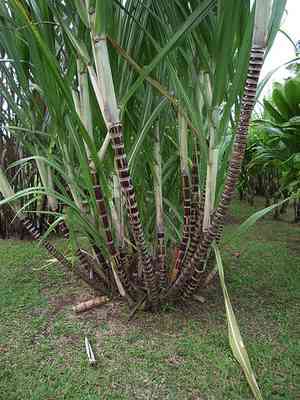
Sugarcane provides a striking vertical element and distinct tactile quality to any garden setting.
2
Appropriate positioning and maintenance of Sugarcane can greatly improve its development and vitality.
3
Combining Sugarcane with other flora can result in a balanced and aesthetically pleasing garden.
Introduction: The Visual Charm of Sugarcane in Garden Design
Why opt for Sugarcane in your garden? Understanding its distinct allure and striking characteristics.
Selecting Sugarcane for your garden can transform your outdoor area into a lively and dynamic setting. This plant is recognized for its tall, slender stems and abundant green leaves, which can introduce an exotic touch to any garden. The height and structural form of Sugarcane make it an excellent choice for generating visual interest and varying heights in garden layouts. Its unique presence can serve as a focal point, attracting attention and adding a sense of movement to your garden.
Brief overview of Sugarcane's attributes and how they contribute to its landscaping value.
Sugarcane possesses several attributes that make it a valuable inclusion in your garden. Its robust stalks can reach impressive heights, offering a natural screen or backdrop for smaller plants. The lush, green foliage of Sugarcane provides a tropical feel, ideal for creating a warm and inviting garden ambiance. Furthermore, Sugarcane can flourish in diverse climates, making it a versatile plant for many gardeners. Its capacity to grow quickly and fill space rapidly can help establish a fuller, more mature garden appearance in a short timeframe.
Designing Your Landscape with Sugarcane
Determining the optimal placement for Sugarcane within your garden plan.
When planning to integrate Sugarcane into your garden, choosing the correct spot is vital for its growth and aesthetic impact. Ideally, Sugarcane should be planted where it can receive ample sunlight throughout the day. Consider areas where its height and form can function as a natural divider or background for other plants. Positioning Sugarcane near paths or garden edges can create a natural screen, adding privacy and structure to your garden design. Ensure there's sufficient room for this tall-growing plant to prevent overcrowding and allow its full beauty to be showcased.
Considerations for soil type and sun exposure for optimal Sugarcane development.
For peak growth, Sugarcane requires well-draining soil rich in organic matter. Before planting, amend the soil with compost or aged manure to boost its fertility and texture. Full sun exposure is essential, as Sugarcane thrives in warm, sunny conditions. If your garden experiences inconsistent sunlight, select a location that receives the most light possible. Consistent watering is also crucial, especially during dry spells, to keep the soil uniformly moist but not waterlogged.
Combining Sugarcane with Other Plants
Choosing companion plants that complement Sugarcane's height and coloration.
To create a visually appealing garden, it's important to select companion plants that complement the height and vibrant green hue of Sugarcane. Consider planting ground cover plants with contrasting foliage colors or textures at the base of Sugarcane to achieve a layered look. Medium-height flowering plants can be placed nearby to add color and variety without overshadowing Sugarcane. Good companion plants might include low-growing perennials, ornamental grasses, or vibrant annuals that thrive in similar light and soil conditions.
Advice for creating a balanced and visually pleasing plant arrangement.
Crafting a harmonious plant grouping involves combining plants with varying heights, textures, and colors to achieve a balanced appearance. Begin by planting taller species like Sugarcane at the rear or center of your groupings, then gradually incorporate medium-height plants and conclude with ground covers or low-growing varieties. Consider seasonal changes to ensure year-round appeal, utilizing plants that bloom at different times throughout the year alongside evergreen plants that provide structure. This approach will maintain a dynamic and engaging garden space.
Caring for Sugarcane in Your Landscape
Essential maintenance tips to keep Sugarcane flourishing in your garden.
To maintain Sugarcane in your garden, regular care and attention are necessary. Ensure consistent watering, particularly during dry periods, to keep the soil moist. Mulching around the plant's base can help retain soil moisture and suppress weed growth. Periodic fertilization with a balanced fertilizer will support healthy and vigorous development. Prune any dead or damaged leaves to keep the plant looking neat and vibrant.
Seasonal care adjustments to ensure Sugarcane's year-round attractiveness.
Different seasons may necessitate specific care modifications for Sugarcane. During the active growing season, frequent watering and feeding are vital to support lush growth. In colder months, especially in areas with frost, consider heavy mulching or using protective covers to shield the plant from extreme temperatures. Pruning can be performed in late winter or early spring to remove old growth and encourage new shoots. These seasonal practices will help maintain the vigor and aesthetic appeal of Sugarcane throughout the year.
Environmental Advantages of Incorporating Sugarcane into Your Garden
Exploring the positive ecological impact of adding Sugarcane to outdoor areas.
Integrating Sugarcane into your garden offers significant environmental benefits. It functions as a natural carbon sink, absorbing carbon dioxide from the atmosphere and aiding in climate change mitigation. The dense foliage of Sugarcane can enhance air quality by filtering pollutants and generating oxygen. Furthermore, the presence of Sugarcane in your garden can contribute to soil health by preventing erosion and promoting soil stability with its root system.
How Sugarcane contributes to biodiversity and supports local wildlife.
Sugarcane not only enhances your garden's beauty but also supports local biodiversity. Its foliage provides shelter and nesting sites for various birds and small animals. The flowers, though not prominent, can attract pollinators such as bees and other beneficial insects, fostering a healthy ecosystem. By adding Sugarcane to your garden, you're creating a more diverse and wildlife-friendly space, contributing to the overall health of your local environment.



