Enhancing Your Garden Design with the Minnieroot Plant: A Landscaping Guide
1
Minnieroot adds vivid hues and a distinct feel to any landscape.
2
It enhances your garden's aesthetics while also offering environmental advantages.
3
Minnieroot fits well into diverse garden designs, ranging from traditional to modern.
Exploring Minnieroot's Role in Landscape Design
Minnieroot's visual appeal
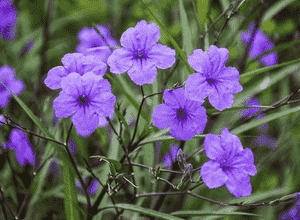
Minnieroot offers a captivating visual element to any garden space. Its striking blossoms and abundant foliage enhance a garden's overall charm. The distinct combination of color and texture it provides makes it stand out among other flora. Whether used as a focal point or a supporting plant, Minnieroot can infuse a refreshing vibrancy into its surroundings.
How Minnieroot contributes to landscape texture and color
Minnieroot's texture and color are crucial for crafting a visually engaging landscape. Its flowers burst with vivid shades, often ranging from blues to purples, which can create stunning visual contrasts or harmonious blends depending on nearby plants. Additionally, the plant's leaves can add various green tones, creating depth and interest in garden beds and borders.
Ecological advantages of including Minnieroot in garden plans
Incorporating Minnieroot into your garden isn't solely about aesthetics; it also fulfills a vital ecological function. Minnieroot provides shelter and sustenance for various pollinators like bees and butterflies, fostering biodiversity. Furthermore, it can improve soil health by preventing erosion and enhancing soil structure, making it an environmentally sound choice for garden design.
Design Concepts with Minnieroot for Diverse Garden Styles
Integrating Minnieroot into a formal garden layout
Minnieroot can seamlessly integrate into formal garden designs due to its structured growth habits and consistent flowering. Planting it in symmetrical arrangements, aligning with garden paths or focal points, can accentuate the garden's formal structure. The plant's uniform shape and color can help maintain the garden's orderly appearance while adding a touch of natural beauty.
Utilizing Minnieroot in cottage and rustic garden styles
Minnieroot's charming and somewhat whimsical appearance makes it an ideal selection for cottage and rustic garden styles. Its natural, unconstrained growth complements the informal layout typical of these gardens. Interspersed with various wildflowers and other cottage-style plants, Minnieroot can create a delightful, relaxed ambiance. Its vibrant colors can pop against the more subdued tones of rustic garden elements, enhancing the garden's visual appeal.
Contemporary garden designs featuring Minnieroot
In modern garden settings, Minnieroot introduces a touch of natural elegance. Its bold colors and unique textures can serve as eye-catching elements in minimalist designs. Combining it with contemporary materials like concrete, glass, and steel can produce striking contrasts, highlighting the plant's inherent beauty. Using Minnieroot in modern garden beds, containers, or as part of vertical gardens can enhance the clean, sophisticated look of the contemporary landscape.
Seasonal Advice for Minnieroot
Optimal planting times for Minnieroot
The best time to plant Minnieroot is during spring or fall when temperatures are moderate. Planting during these periods allows the plant to establish its root system before the extreme heat of summer or the cold of winter. Ensuring the soil is well-prepared and the site receives ample sunlight will help Minnieroot flourish.
Seasonal care guidelines for Minnieroot
Maintaining Minnieroot involves several seasonal tasks to ensure its health and vibrancy. Regular watering during dry periods, mulching to retain soil moisture, and periodic pruning to remove dead or damaged stems are essential. Fertilizing in spring can promote blooming and help the plant sustain its vigorous growth throughout the active season.
Preparing Minnieroot for varying weather conditions
Preparing Minnieroot for diverse weather conditions includes safeguarding it from extreme temperatures and harsh elements. In colder regions, mulching around the base can insulate the roots during winter. During warmer months, ensure sufficient watering and potential shading if the plant shows signs of heat stress. By taking these measures, Minnieroot can endure different weather challenges, maintaining its health and beauty year-round.
Combining Minnieroot with Other Plants
Companion plants that thrive with Minnieroot
Minnieroot pairs effectively with a variety of other plants. Consider combining it with species that prefer similar growing conditions, such as sun-loving perennials and shrubs. Plants like ornamental grasses, daisies, and lavender can complement Minnieroot, creating a beautiful and harmonious garden display. The differing heights, colors, and textures can result in a well-balanced and dynamic garden environment.
Achieving color harmony in your garden with Minnieroot
Creating color harmony with Minnieroot involves selecting plants with complementary hues that enhance the garden's overall aesthetic. For instance, pairing Minnieroot with plants that have yellow or white flowers can create a delightful contrast. Alternatively, using plants with similar color tones, like purples and blues, can produce a serene and cohesive look. Incorporating foliage plants with different shades of green can further enhance the visual appeal.
Balancing plant types: perennials, annuals, and Minnieroot
Balancing Minnieroot with perennials and annuals in your garden can extend the bloom period and ensure year-round interest. Minnieroot, as a resilient perennial, offers lasting beauty and structure. Combining it with annuals that bloom at different times provides continuous color throughout the seasons. Consider the blooming periods, heights, and growth habits to create a diverse yet harmonious planting scheme that highlights Minnieroot alongside other garden favorites.



