Enhancing Your Garden Design with the Cuban royal palm Plant: A Landscaping Guide
1
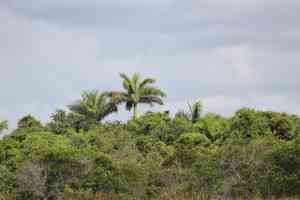
The Cuban royal palm offers significant vertical presence and architectural appeal to any outdoor space.
2
Integrating the Cuban royal palm with complementary flora and landscape elements can produce a captivating aesthetic.
3
Diligent care of the Cuban royal palm guarantees its vitality and extended lifespan within your garden.
Appreciating the Visual Appeal of Cuban Royal Palm
Influence of impressive height and form
For landscape enhancement, the Cuban royal palm stands out due to its remarkable stature and strong, upright structure. Reaching significant heights, this plant creates a notable visual impact and acts as a prominent centerpiece in any garden or yard. Its columnar shape imparts a sense of majesty and grace, making it an excellent choice for those aiming to add sophistication to their outdoor area.
Visual dynamics: hues and textures
The Cuban royal palm showcases a rich variety of colors and textures that contribute to its aesthetic charm. Its vibrant green foliage beautifully contrasts with its robust trunk, adding layers of visual interest. These dynamic qualities allow the Cuban royal palm to integrate smoothly with diverse landscape styles, whether you prefer a lush, tropical haven or a more structured, formal garden. The interplay of light and shadow on its leaves further enhances its captivating presence.
Year-round visual interest characteristics
One of the most appealing aspects of the Cuban royal palm is its capacity to provide visual appeal throughout the entire year. Unlike some plants that only thrive during specific seasons, the Cuban royal palm maintains its allure from spring through winter. This evergreen quality ensures your landscape remains vibrant and engaging regardless of the season, offering a consistent backdrop for other seasonal blooms and features.
Integrating Cuban Royal Palm into Existing Landscapes
Selection of complementary plants and trees
Incorporating the Cuban royal palm into your current landscape is simple when you carefully choose companion plants and trees. Opt for flora that either contrasts with or complements the distinct appearance of the Cuban royal palm. Low-growing ground covers and flowering plants can emphasize its height, while other tropical species can enhance the overall exotic atmosphere. This harmonious blend will ensure a cohesive and stunning garden.
Strategic placement for wind protection and shade
Thoughtful positioning of the Cuban royal palm in your landscape can also offer practical advantages like wind protection and shade. Placing the Cuban royal palm at the edge of your garden can serve as a windbreak, shielding more delicate plants from strong gusts. Additionally, the shade provided by the Cuban royal palm's broad canopy can create cooler, sheltered zones in your yard, improving the comfort and utility of your outdoor space during hot summer months.
Pairing with land features: elevations, water bodies, and pathways
Enhance the natural beauty of your landscape by combining the Cuban royal palm with existing land features such as hills, water bodies, and paths. Positioning the Cuban royal palm near a pond or stream can amplify the reflective qualities of the water, creating a serene, picturesque scene. On slopes or hills, the Cuban royal palm can help draw the eye upward, accentuating the terrain's natural contours. When lining pathways, the Cuban royal palm adds a majestic, guiding presence that invites exploration.
Maintenance Advice for Cuban Royal Palm in Landscapes
Fundamentals of trimming and growth management
Maintaining the Cuban royal palm involves regular trimming to ensure healthy development and a neat appearance. Periodically remove dead or damaged fronds to prevent them from cluttering the landscape. Furthermore, careful pruning can help manage the size and form of the Cuban royal palm, making it easier to fit within your desired landscape design without overwhelming the area.
Soil and moisture recommendations for robust growth
Robust growth of the Cuban royal palm thrives in well-draining soil and sufficient moisture. It's vital to plant the Cuban royal palm in soil that allows excess water to drain easily, preventing root rot and other moisture-related issues. Consistent watering, especially during dry periods, is crucial to support its lush foliage and sturdy stature. Mulching around the base can help retain soil moisture and maintain an optimal growing environment.
Addressing common landscape difficulties
Like any plant, the Cuban royal palm can encounter certain landscape challenges such as pests, diseases, or environmental stressors. Monitoring your plant's health and addressing issues promptly can save you time and effort in the long run. Use organic or chemical treatments to control pests, and ensure proper fertilization to keep the Cuban royal palm thriving. Observing and adapting to environmental changes will help sustain its growth and vitality.
Designing with Cuban Royal Palm: Themes and Concepts
Tropical versus formal garden themes
The Cuban royal palm is incredibly adaptable and can fit seamlessly into both tropical and formal garden themes. For a tropical look, surround the Cuban royal palm with lush, broad-leaved plants and brightly colored flowers to create a tropical paradise. Conversely, for a formal garden, balance the Cuban royal palm's grand stature with neatly trimmed hedges and symmetrical plant arrangements to achieve an elegant and orderly design.
Concepts for varying scales: from small yards to expansive parks
Whether you're designing a small yard or a large park, the Cuban royal palm can be adapted to suit various scales. In smaller yards, a single Cuban royal palm can serve as a striking centerpiece, while in expansive parks, multiple Cuban royal palm plants can create dramatic rows or clusters that define spaces and guide visitors. Consider the scale of your design to maximize the impressive presence of the Cuban royal palm.
Highlighting Cuban royal palm in focal points and frames
Utilizing the Cuban royal palm as a focal point or a framing element can enhance its visual impact. Place the Cuban royal palm at the center of your garden to draw the eye and become the star of your landscape. Alternatively, use it to frame views and entrances, guiding visitors' gaze through your carefully designed space. Its stately presence can help anchor your design and create a harmonious flow throughout your garden.



