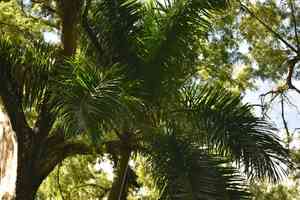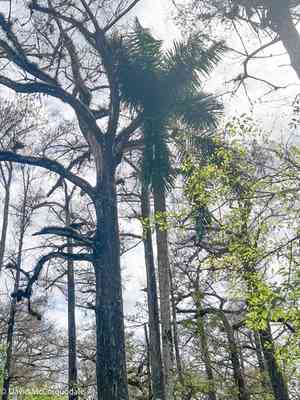
Cuban royal palm(Roystonea regia)

Cuban royal palm (Roystonea regia)

Also known as: Royal palm

The Cuban royal palm (Roystonea regia) is notable not only for its beauty but also for its practical applications and ecological benefits. Economically, its leaves are utilized in traditional thatching and crafting brooms, supporting local industries. The tree's seeds and fruits serve as valuable livestock feed, particularly for pigs, and its ornamental appeal enhances landscaping projects, indirectly boosting tourism and real estate values.

Ecologically, the Cuban royal palm plays a significant role by offering habitat and nourishment for various bird species and insects. Its robust root system aids in soil stabilization, reducing erosion and promoting soil health. Additionally, as a tree, it contributes to carbon sequestration, helping to mitigate climate change impacts.

These multifaceted contributions underscore the Cuban royal palm's importance in both economic and environmental contexts.

Attributes of Cuban royal palm

Lifespan
Perennial
Plant Type
Palm
Plant Height
30 m
Spread
10 m
Leaf Color
Green
Flower Size
2.5 cm
Flower Color
White

ForwardPlant - Identify plants with a snap

Identify and diagnose plants, get toxicity alerts, and explore safety guides for all types of fungi.

Try for Free

Images of Cuban royal palm

Cuban royal palm(Roystonea regia)

Quickly Identify Cuban royal palm

1
Recognized by its tall, smooth gray trunk adorned with rings of leaf scars, topped by a distinct green crownshaft and feathery fronds. Leaves are pinnate, and its inflorescences are large and branched.

Scientific Classification of Cuban royal palm

Phylum
Vascular plants
Class
Monocotyledons
Order
Palms, bullanocks, and allies
Family
Palm
Genus
Royal Palms
Species
Cuban royal palm

Planting and Growing of Cuban royal palm

Care Difficulty
Easy
Watering Schedule
Every 2 days
Sunlight Requirements
Full sun
Sunshine Duration
6-10 hours
Ideal Temperature
75-85℉
Soil Type
Potting Mix, Peat Mix
Soil pH
6.5-7.5
Fertilizer Type
Balanced
Pruning Season
Spring, Summer
Pruning Area
Branches, Leaves
Pruning Frequency
2 times a year
Repotting Season
Spring
Pot Type
Plastic, Ceramic

water icon How to Water Cuban royal palm?

For Roystonea regia, watering should ensure the soil is thoroughly moist but not waterlogged. The goal is to mimic its native, naturally humid environment. Allow excess water to drain to prevent root rot.
What are the symptoms of an underwatered Cuban royal palm?
What should I do if my Cuban royal palm is not getting enough water?
What are the symptoms of an overwatered Cuban royal palm?
How to save an overwatered Cuban royal palm?
More About Watering Techniques

sunlight icon What Are the Sunlight Requirements for Cuban royal palm?

Sunlight Requirements: Full sun, Partial sun
Duration of light: 6-8 hours daily
Roystonea regia prefers full sun to partial sun, thriving in bright conditions that help maintain its classic, regal stature and health.
How much sun does Roystonea regia need?
Why is full sun important for Roystonea regia?
What happens if Roystonea regia does not get enough sunlight?
More About Sunlight Requirements Techniques

temperature icon What Is the Ideal Temperature Range for Cuban royal palm?

Ideal Temperature: 75 ~ 85℉
For optimal growth of Roystonea regia, it is crucial to maintain a temperature range between 75°F and 85°F. This tropical palm thrives in warm weather, and consistent exposure to these temperatures supports healthy photosynthesis and nutrient uptake. Plants kept within this range exhibit robust and vibrant foliage.

soil icon What Soil is Best for Cuban royal palm?

Soil type: Loam, Sandy loam
Soil PH: 6.5 ~ 7.5
Roystonea regia thrives best in soil that offers excellent drainage. Well-draining soil prevents waterlogging, reducing the risk of root rot and ensuring healthy root systems that sustain vibrant growth and majestic fronds. This plant benefits greatly from a soil that is rich in nutrients. High organic matter content provides the necessary elements for robust growth, enhancing the appearance of its striking trunk and foliage. While good drainage is critical, the soil should still maintain moderate moisture levels. This balance helps in steady water supply to the palm, crucial for its development and avoidance of drought stress. More About Soil

fertilize icon How to Fertilize Cuban royal palm?

Fertilizer type: Balanced
Roystonea regia, also known as the royal palm, benefits from a balanced nitrogen-phosphorus-potassium (N-P-K) fertilizer with a ratio such as 8-2-12. For liquid fertilizer, mix at the rate of 1 tablespoon per gallon of water and apply during the growing seasons, spring and summer. More About Fertilizing Techniques

prune icon How to Prune Cuban royal palm?

Pruning Time: Spring, Summer
Begin by inspecting your Roystonea regia for any dead, diseased, or brown fronds. These fronds not only affect the aesthetic but can also harbor pests and diseases. Carefully cut the fronds as close to the trunk as possible without harming the trunk itself. Make sure your cuts are clean to encourage quicker healing. Dispose of the pruned fronds properly. Leaving them around the base of the tree can attract pests or contribute to disease, undermining your efforts. More About Pruning Techniques

propagate icon How to Propagate Cuban royal palm plant?

Propagate Time: Early spring, Late winter
1
Choose fresh and viable seeds from a healthy Roystonea regia plant. Check seeds for any signs of damage or disease before use to ensure high germination success.
2
Fill seed trays with sterile potting mix and evenly scatter the seeds on the surface. Lightly cover seeds with a thin layer of potting mix to maintain moisture while allowing sunlight penetration.
3
Place the seed trays in a warm, sunny location. Maintain constant moisture levels by misting with water regularly. Germination typically takes several weeks under optimal conditions.
More About Propagating Techniques

repot icon How to Repot Cuban royal palm plant?

Repotting frequency: Every 2-3 years
1
Signs that your Roystonea regia needs repotting include roots emerging from drainage holes, slow growth, or when you notice the soil drying out too quickly. These are clear indicators that it needs more space to expand its roots.
2
Opt for a pot that is 2-4 inches larger in diameter than the current one. Ensure it has adequate drainage holes to prevent waterlogging, which can lead to root rot. A slightly deeper pot can provide more room for the roots to spread.
3
A well-draining sandy loam mixture is ideal, as it allows moisture retention while preventing water from stagnating. This soil mix supports the palm's need for proper drainage while providing essential nutrients.
More About Repotting Techniques

ForwardPlant - Identify plants with a snap

Find the best spots for them to optimize their health, simply using your phone.

Try for Free