Enhancing Your Garden Design with the Father hugo's rose Plant: A Landscaping Guide
1
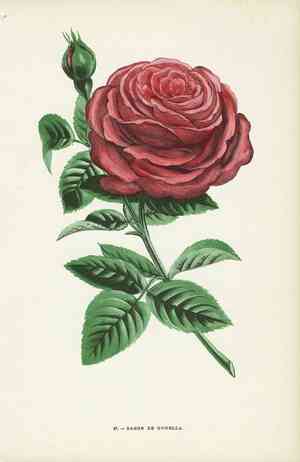
Incorporating Father Hugo's rose into your garden plan can enhance its aesthetic appeal with its distinct charm and vivid colors.
2
Father Hugo's rose provides sustenance for native fauna, contributing to a more environmentally sound and enduring garden.
3
Father Hugo's rose thrives in various garden aesthetics, ranging from classic to contemporary designs.
Appreciating the Visual Charm of Father hugo's rose
Visual Allure: Emphasizing the distinct beauty of Father hugo's rose
A prominent characteristic of Father hugo's rose in garden design is its striking visual appeal. This plant offers a unique charm that can serve as the focal point of any landscape. With its delicate blossoms and gracefully arching stems, Father hugo's rose imparts elegance and refinement to your outdoor area. Whether planted as a solitary specimen or integrated into a mixed border, Father hugo's rose captures attention and admiration.
Color Dynamics: Exploring the vivid shades and their seasonal transformations
Father hugo's rose is renowned for its vibrant color changes, which can invigorate a garden. In spring, the plant captivates with bright yellow flowers, creating a cheerful and uplifting ambiance. As seasons progress, the foliage shifts to a rich green, offering a calming backdrop for summer blooms. By autumn, the leaves adopt a warm, golden hue, enriching the seasonal palette of your garden. These color shifts ensure Father hugo's rose remains an ever-evolving and captivating presence throughout the year.
Texture and Structure: How Father hugo's rose contributes to diverse garden textures
Beyond its color, Father hugo's rose introduces varied texture and form to your landscaping. The plant's fine, delicate leaves beautifully contrast with broader-leafed plants, adding depth and intrigue to your garden. Its arching branches create a soft, flowing outline that can soften the rigidity of other garden elements, making the overall landscape feel more dynamic and natural. This blend of textures and shapes enhances the visual complexity of your garden, making it more engaging and aesthetically pleasing.
Environmental Advantages of Father hugo's rose in Landscaping
Attracting Wildlife: The role of Father hugo's rose in supporting local animal life
Incorporating Father hugo's rose into your garden isn't solely about aesthetics; it also provides significant ecological benefits. This plant acts as a magnet for local wildlife, especially birds and pollinators. The flowers offer a rich nectar source for bees and butterflies, while the dense foliage provides shelter and nesting spots for various bird species. By drawing in these creatures, Father hugo's rose helps maintain a vibrant and healthy ecosystem within your garden, promoting biodiversity and enhancing the natural beauty of your landscape.
Resilience: How Father hugo's rose flourishes in diverse settings
A key benefit of Father hugo's rose is its adaptability. This plant is known for thriving in a variety of environments, from sunny locations to partial shade. Its tolerance to different soil types and conditions makes it a versatile option for gardeners. Whether you have a meticulously kept lawn or a more wild, naturalistic garden, Father hugo's rose can find its place and thrive, exhibiting robust growth and hardiness. This resilience ensures that gardeners of all experience levels can successfully integrate Father hugo's rose into their landscaping.
Sustainability: Promoting eco-conscious gardening practices with Father hugo's rose
Including Father hugo's rose in your landscaping practices fosters sustainability and environmental friendliness. This plant is relatively low-maintenance, requiring minimal water and care once established. Its ability to attract pollinators and other beneficial wildlife reduces the need for chemical pesticides, cultivating a healthier garden environment. By selecting Father hugo's rose, you contribute to eco-friendly gardening practices that support local ecosystems and lessen your garden's environmental impact.
Integrating Father hugo's rose Into Various Landscape Designs
Traditional vs. Modern: Adapting Father hugo's rose to different style preferences
Father hugo's rose is remarkably versatile when it comes to design styles. In traditional gardens, its classic beauty and formal shape complement structured layouts and historical themes. It can be planted alongside hedges, used in borders, or as a central feature in a manicured lawn. Conversely, Father hugo's rose also fits seamlessly into modern garden designs. Its elegant simplicity and natural form can soften the lines of contemporary landscapes, bringing balance and harmony to minimalist settings. Whether your garden leans towards the traditional or the modern, Father hugo's rose adapts beautifully to any aesthetic.
Companion Plants: Ideal partners for Father hugo's rose in your garden
To maximize the impact of Father hugo's rose, consider pairing it with complementary plants. Companions such as lavender, catmint, or ornamental grasses can enhance its beauty and create harmonious color schemes. These plants share similar growing conditions and can highlight the delicate features and vibrant colors of Father hugo's rose. The combination of textures and colors not only boosts visual appeal but also fosters a supportive growing environment, where plants help each other thrive.
Placement Advice: Optimal locations for Father hugo's rose within the garden layout
Correctly positioning Father hugo's rose within your garden layout is crucial for maximizing its aesthetic and environmental benefits. For the best visual impact, plant it in a spot where it can be easily seen and appreciated, such as near walkways, patios, or garden entrances. To support wildlife, consider placing Father hugo's rose near other nectar-rich plants or in areas that provide natural shelter and nesting sites. Ensure it receives adequate sunlight, and think about using it to soften the edges of hardscapes or to create flowing, naturalistic borders.
Seasonal Considerations for Father hugo's rose
Optimal Planting Times: When to introduce Father hugo's rose to your garden
Timing is essential when planting Father hugo's rose. The best period to introduce this plant into your garden is during early spring or fall, when temperatures are moderate. This allows Father hugo's rose to establish its root system before the intense heat of summer or the cold of winter arrives. Planting during these seasons ensures optimal growth and development, giving Father hugo's rose the best chance to thrive and flourish in your garden.
Year-round Charm: Ensuring Father hugo's rose remains a highlight through the seasons
One of the appealing qualities of Father hugo's rose is its year-round attractiveness. To maintain its beauty throughout the seasons, consider its growth stages and provide appropriate care. In spring, enjoy its blooming flowers; in summer, ensure it receives sufficient water during dry periods. In autumn, its colorful foliage will impress, and come winter, its branches can add structure and interest to your garden. Pruning and minimal maintenance keep Father hugo's rose looking its best and integrate seamlessly into your garden's seasonal rhythm.
Preparing for Extremes: Protecting Father hugo's rose from harsh weather conditions
While Father hugo's rose is generally robust, it's important to prepare it for extreme weather conditions. During hot, dry summers, consistent watering is vital to prevent stress. Mulching around the base helps retain moisture and keep roots cool. In winter, add a layer of mulch to shield the roots from freezing. Pruning after flowering helps maintain its shape and vigor. By taking these steps, you can ensure Father hugo's rose remains healthy and continues to enhance your garden, regardless of the weather.



