Enhancing Your Garden Design with the Rose myrtle Plant: A Landscaping Guide
1
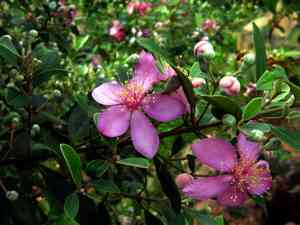
Rose myrtle brings vivid hues and thick greenery to any outdoor space.
2
Rose myrtle flourishes optimally in soil that drains well and in areas with warm weather.
3
Consistent upkeep and periodic attention improve the attractiveness and lifespan of Rose myrtle.
Introducing Rose Myrtle in Landscape Design
Appreciating Rose Myrtle's Visual Charm
Incorporating Rose myrtle into your outdoor space offers a distinct method to introduce vivid hues and abundant, thick foliage. Renowned for its striking flowers, Rose myrtle is ideal for injecting a burst of color that can elevate any garden. Its blooms appear profusely in various shades, forming a picturesque backdrop or a central feature that draws the eye and improves your garden's overall look. The visual appeal extends beyond the flowers; its dense leaves also contribute a rich, green texture that adds depth and form to your landscape plan.
Optimal Regions for Rose Myrtle Landscaping
Rose myrtle is adaptable and can thrive in diverse climates, but it truly flourishes in areas with warm, well-draining soil. Locations that mimic its natural habitat, including subtropical to tropical zones, will yield the best growth and most vibrant blooms. Gardeners in coastal areas or regions experiencing mild winters and hot summers will find Rose myrtle integrates effortlessly into their landscape, offering year-round beauty with minimal upkeep. When planning your garden, consider these regional preferences to ensure your Rose myrtle plants prosper.
Design Principles for Integrating Rose Myrtle
Achieving Color Harmony with Rose Myrtle's Bright Flowers
A key design principle when landscaping with Rose myrtle is to establish a balanced color scheme. The vivid flowers of Rose myrtle can be combined with both complementary and contrasting colors to achieve an attractive garden. Consider planting Rose myrtle alongside plants with foliage that provides a subtle background, allowing the bright blooms to take prominence. Alternatively, you can pair them with other brightly colored flowers to create a lively and energetic flowerbed. Understanding color theory and planning your plant combinations accordingly will help you maximize Rose myrtle's striking appearance.
Using Rose Myrtle's Dense Foliage for Privacy and Structure
Beyond its beautiful flowers, Rose myrtle features thick foliage that can serve multiple functions in your landscape design. The dense leaves can form natural privacy screens, effectively blocking views and defining different zones within your garden. This foliage can also provide structure, adding height and depth to otherwise flat landscapes. Plant Rose myrtle strategically along fences, patios, or property boundaries to create a green barrier that is both practical and visually appealing. Additionally, the thick canopy can offer shade to smaller plants, creating a layered and intricate garden environment.
Effective Planting Strategies for Rose Myrtle
Best Time to Plant Rose Myrtle for Peak Growth
For optimal outcomes, planting Rose myrtle during early spring or late autumn is ideal. These seasons offer moderate temperatures that are not too extreme, allowing the plant time to establish roots before the intense heat of summer or the cold of winter arrives. Planting during these prime periods ensures Rose myrtle has a stable environment to begin its growth, promoting strong roots and healthy foliage. Proper soil preparation and selecting the right timing can significantly impact the long-term health and development of your Rose myrtle plants.
Spacing and Placement Advice for Rose Myrtle in Landscapes
When incorporating Rose myrtle into your landscape, correct spacing and placement are vital considerations. To allow for ample growth and air circulation, position each plant at least 3 to 5 feet apart. Placing Rose myrtle in an area where it will receive full to partial sunlight ensures it gets the energy needed for flowering. Consider the mature size of the plants and avoid overcrowding, which can lead to restricted airflow and increased vulnerability to diseases. Careful planning of spacing and positioning will foster a healthier growth environment and enhance your garden's visual cohesion.
Care Guidelines for Thriving Rose Myrtle Plants
Essential Upkeep for Enduring Rose Myrtle Plants
Maintaining your Rose myrtle plants in a healthy and vibrant state requires consistent care. Begin with regular watering, ensuring the soil remains moist but not waterlogged, especially during dry periods. Pruning is another crucial aspect; trim any dead or overgrown branches to encourage new growth and maintain the plant's form. Additionally, mulching around the base helps retain moisture and control weeds. Adhering to these fundamental maintenance practices will ensure your Rose myrtle plants remain lush and productive throughout the growing season.
Seasonal Care Routines to Enhance Rose Myrtle's Beauty
Seasonal care is essential for keeping your Rose myrtle plants at their peak. In spring, apply a balanced fertilizer to support vigorous growth and blooming. As summer approaches, monitor for pests and apply appropriate treatments if necessary. During autumn, clear fallen leaves and prune to shape the plant and prepare it for the colder months. If you reside in an area with harsh winters, consider adding protective coverings to shield your Rose myrtle from frost. By aligning your care routine with the seasons, you can enhance the natural beauty of Rose myrtle year-round.
Landscape Design Examples Featuring Rose Myrtle
Case Studies of Successful Rose Myrtle Integration in Diverse Settings
Reviewing case studies of successful Rose myrtle integration can offer inspiration for your landscaping project. For instance, in a suburban garden, Rose myrtle plants were utilized to create a vibrant hedge along the property line, providing both privacy and a burst of color. In a tropical-themed backyard, Rose myrtle was paired with palm trees and hibiscus to create a lush, exotic retreat. These examples demonstrate how Rose myrtle can be effectively incorporated into various environments, each benefiting from its distinct aesthetic and structural qualities.
Visually Striking Arrangements and Plant Pairings
Crafting visually stunning arrangements with Rose myrtle involves thoughtful pairings with complementary plants. Consider combining Rose myrtle with low-growing ground covers to accentuate its vibrant blooms. Adding ornamental grasses can introduce a dynamic textural contrast. For a more dramatic effect, pair Rose myrtle with larger shrubs and trees that offer differently colored foliage. These arrangements not only look beautiful but also promote a healthy garden ecosystem by including a variety of plant types and structures. Using Rose myrtle as a focal point with carefully chosen companions can transform any landscape into a breathtaking visual masterpiece.



