Enhancing Your Garden Design with the Pacific rhododendron Plant: A Landscaping Guide
1
The Pacific rhododendron provides striking aesthetic value year-round.
2
Selecting an appropriate site is vital for the well-being of Pacific rhododendron.
3
Effective care for Pacific rhododendron can boost your property's worth and ecological diversity.
Grasping the Function of Pacific Rhododendron in Garden Design
The aesthetic appeal of Pacific rhododendron
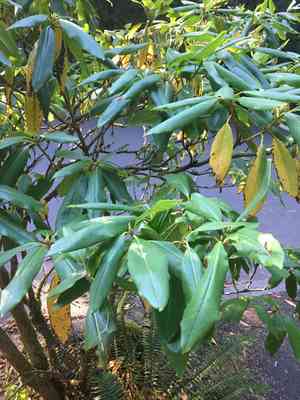
The primary characteristic you'll observe about Pacific rhododendron is its striking visual charm. Its vivid and abundant blossoms can establish focal points in your garden, capturing attention and introducing a burst of color. This positions Pacific rhododendron as an excellent option for aesthetic improvement, whether utilized individually or grouped to form an impressive hedge.
Seasonal transformations and color dynamics
A remarkable attribute of Pacific rhododendron is its capacity to adapt to seasonal shifts. During spring, its flowers deliver a vibrant display, while its evergreen foliage sustains visual interest throughout winter. This evolving appearance provides year-round charm and can be a superb method to keep your landscape captivating across various seasons.
Selecting the Optimal Spot for Pacific Rhododendron
Sunlight and shading considerations
Choosing an appropriate location for Pacific rhododendron is crucial for its development and vitality. This plant thrives in partial shade, making it ideal for areas receiving filtered sunlight. Avoid placing it in direct, intense sunlight, as this can result in scorched leaves and stunted growth.
Soil type and drainage requirements
For Pacific rhododendron to flourish, the soil must be well-draining yet retain moisture. Acidic soils with a pH range of 4.5 to 6.0 are perfect. If your garden's soil is heavy clay, consider enriching it with organic matter such as compost to enhance drainage and texture. Consistent moisture is vital, but ensure the roots are not submerged in waterlogged conditions.
Incorporating Pacific Rhododendron with Other Plants
Companion planting for Pacific rhododendron
When planning your landscape, consider pairing Pacific rhododendron with plants that share similar soil and light needs. Ferns, azaleas, and camellias often make excellent companions. These plants not only complement Pacific rhododendron's beauty but also foster a harmonious growing environment.
Avoiding common errors in plant pairing
Ensure the plants you combine with Pacific rhododendron do not possess aggressive root systems that could compete for nutrients and water. Steer clear of plants requiring vastly different care or those that might overshadow Pacific rhododendron, as this could impede its ability to thrive.
Care Guidelines for Pacific Rhododendron in Your Garden
Pruning and trimming best practices
Regular pruning and trimming are essential for maintaining the form and health of Pacific rhododendron. The optimal time to prune is immediately after the blooming season. Remove dead or diseased branches and trim lightly to encourage new growth. Avoid severe pruning, as it might affect the following year's flowers.
Seasonal care variations
Seasonal care for Pacific rhododendron involves different tasks throughout the year. In spring and summer, ensure adequate watering and fertilize with a balanced, acidic fertilizer. Mulching can help retain moisture and protect roots. In fall, clear fallen leaves to prevent disease, and in winter, shield young plants with a layer of mulch to insulate them from cold temperatures.
Long-Term Advantages of Pacific Rhododendron in Landscape Design
Boosting property value
Well-maintained Pacific rhododendron can significantly enhance the aesthetic appeal of your property, potentially increasing its market worth. Its visual impact can make your garden more attractive to prospective buyers, highlighting the importance of effective garden design.
Contributing to biodiversity
Integrating Pacific rhododendron into your landscape helps foster local biodiversity. Its flowers provide nectar for pollinators like bees and butterflies, while its dense foliage can offer refuge for small wildlife. This not only enriches your garden's ecosystem but also supports broader environmental well-being.



