Enhancing Your Garden Design with the Lady Palm Plant: A Landscaping Guide
1
Lady Palm adapts well to diverse light environments, ranging from bright sun to filtered light.
2
Pair Lady Palm with other tropical flora to achieve a harmonious and verdant appearance in your garden.
3
Consistent care, such as providing water and trimming, is crucial for maintaining Lady Palm's well-being.
Understanding the Role of Lady Palm in Landscaping
What makes Lady Palm a popular choice for outdoor spaces?
Lady Palm has become a favored addition to many gardens and landscapes due to its robust nature and appealing aesthetic. Its versatility in different climates and adaptability to both full sun and partial shade make it an ideal plant for various environments. Additionally, Lady Palm is relatively low-maintenance, which is perfect for both novice and seasoned gardeners looking to add a touch of greenery without excessive upkeep.
Exploring the aesthetic appeal of Lady Palm
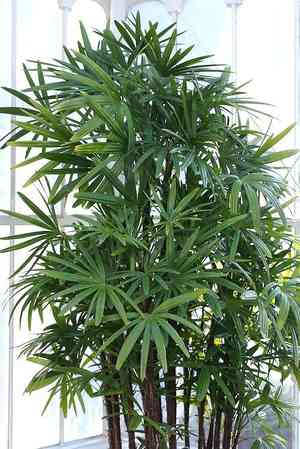
Lady Palm possesses a unique visual charm that can add an exotic flair to your landscape design. Its tall, slender stalks and fan-like leaves create an elegant, tropical appearance that can serve as a striking focal point in your garden. Whether used as a standalone feature or part of a diverse plant arrangement, Lady Palm can significantly enhance the visual appeal of outdoor spaces, making them more inviting and aesthetically pleasing.
Integrating Lady Palm with Other Landscape Elements
Ideal pairing: What plants complement Lady Palm?
When designing your landscape with Lady Palm, consider pairing it with other tropical or subtropical plants to amplify its aesthetic impact. Plants such as ferns, hibiscus, and bird of paradise complement Lady Palm well, creating a lush and cohesive environment. Ground covers like ferns can enhance the base of Lady Palm, while flowering plants like hibiscus can introduce vibrant colors to your garden.
Design strategies for a cohesive look
To achieve a harmonious landscape, it's essential to plan and arrange your plants thoughtfully. Consider the heights, textures, and colors of the plants you wish to combine with Lady Palm. Use Lady Palm as a backdrop to shorter plants and ground covers, or as an accent in the middle of a flower bed. The aim is to create layers and visual interest without overwhelming any single element. Also, think about using hardscape elements such as rocks, water features, or garden ornaments to complement the natural beauty of Lady Palm.
Optimizing Placement of Lady Palm in Your Garden
Where to plant Lady Palm for optimal growth and visual impact?
Strategic placement of Lady Palm in your garden is crucial for both its health and visual impact. Plant Lady Palm in locations where it can receive adequate light and space to grow. Positioning it near entryways or along pathways can create welcoming and dramatic effects. It can also be used as a natural divider, offering privacy while maintaining an aesthetic appeal. Ensure that the chosen spot has well-drained soil to prevent waterlogging, which can damage the plant’s roots.
Understanding the light and shade requirements
Lady Palm is known for its adaptability to different light conditions, but it thrives best in bright, indirect light. While it can tolerate some direct sunlight, prolonged exposure can cause the leaves to scorch. Conversely, placing it in too much shade can hinder its growth and lead to leggy, sparse plants. Aim for a balance of dappled sunlight or partial shade to keep Lady Palm flourishing. Monitor the plant for signs of light stress and adjust its placement as necessary to ensure optimal growth.
Seasonal Considerations for Lady Palm in Your Landscape
Navigating through the changing seasons
Lady Palm can handle a range of temperatures but may require some adjustments during extreme weather conditions. In the warmer months, ensure it receives adequate water without the soil becoming waterlogged. During cooler seasons, particularly if temperatures drop significantly, consider moving potted Lady Palm plants indoors or applying mulch around garden-planted Lady Palm to protect the roots. This seasonal flexibility ensures that Lady Palm remains a resilient and enduring feature in your landscape.
Preparing Lady Palm for different weather conditions
Preparing Lady Palm for varying weather conditions involves proactive care and maintenance. In the summer, increase watering frequency and provide shade as necessary to prevent heat damage. During winter, reduce watering to prevent root rot and use frost cloths or mulch to shield the plant from cold snaps. Regularly check for signs of distress, such as yellowing leaves or stunted growth, and take corrective actions promptly to keep Lady Palm healthy year-round.
Maintaining the Health and Aesthetics of Lady Palm
Routine checks and balances for a thriving Lady Palm
Routine maintenance is key to keeping Lady Palm looking its best. Regularly inspect the plant for pests and diseases, and address any issues immediately to prevent them from spreading. Ensure the soil remains appropriately moist but well-drained, and fertilize sparingly to promote healthy growth without overloading the plant with nutrients. Periodic checks and minor adjustments can go a long way in maintaining the vitality and beauty of Lady Palm.
Tips for pruning and keeping Lady Palm in shape
Pruning is an essential aspect of Lady Palm's care to maintain its shape and encourage healthy growth. Remove any yellow or brown leaves promptly to prevent potential diseases and improve the plant's appearance. If Lady Palm becomes too tall or leggy, trim back the stems to the desired height. Regular pruning not only keeps Lady Palm looking tidy but also encourages new growth, ensuring it remains a vibrant and attractive part of your landscape.



