Enhancing Your Garden Design with the Valley oak Plant: A Landscaping Guide
1
Valley oak improves the aesthetic quality of any setting with its unique characteristics.
2
Take into account light exposure and ground requirements when selecting a site for Valley oak.
3
Consistent trimming and periodic maintenance are crucial for preserving Valley oak's vitality and attractiveness.
Appreciating the Aesthetic Qualities of Valley Oak
Visual Impact: Highlighting Valley Oak's Unique Characteristics
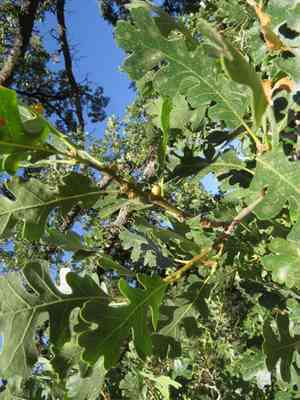
When aiming to make a statement in your garden, Valley oak stands out. Its expansive, spreading canopy offers ample shade, making it an attractive focal point in any landscape plan. The bark of Valley oak is deeply grooved and full of character, providing a rugged texture that beautifully contrasts with smoother, more delicate flora. The sheer size and graceful form of Valley oak can transform an ordinary yard into a scenic sanctuary, presenting a majestic view that enhances the visual appeal of your outdoor area.
Seasonal Transformations: What to Expect from Valley Oak Throughout the Year
Blooming in spring, leafing out in summer, displaying vibrant foliage in fall, and standing as a structural masterpiece in winter, Valley oak offers year-round visual interest. In spring, the emergence of fresh, light-green leaves signals the season's rebirth. As months progress into summer, the leaves deepen in color, creating a lush backdrop for other flowering plants. Come autumn, Valley oak delights with a change to fiery gold and brown hues, making it the centerpiece of your landscape. Even in winter, its bare branches provide a stark, sculptural beauty against the seasonal backdrop.
Selecting the Optimal Location for Valley Oak
Assessing Your Space: Size and Scale Considerations
Before planting Valley oak, it's vital to evaluate the available space. Valley oak is a large tree that can grow significantly, both in height and width, so it's best suited for spacious yards or open areas in public parks. Ensuring sufficient room for its roots to spread and its canopy to develop is crucial. Consider its mature dimensions and its potential effect on nearby structures, sightlines, and other plants. Proper planning guarantees that Valley oak will have the space it needs to flourish and enrich your landscape for many years.
Sunlight and Soil Requirements: Maximizing Valley Oak's Health and Growth
Valley oak thrives in well-drained soils and full sun. Ideally, choose a spot that receives at least six hours of direct sunlight daily. Valley oak prospers in various soil types but prefers sandy or loamy soils that allow for good drainage. To optimize its growth, regularly test soil pH and fertility, ensuring it meets the tree's needs. Amending the soil with compost or organic matter can significantly boost its nutrient content, promoting healthier, more vigorous development.
Integrating Valley Oak with Other Plant Species
Companion Planting: Ideal Partners for Valley Oak
When designing your landscape, consider which other plants will complement Valley oak. Shade-loving plants such as ferns, hostas, and certain groundcovers perform well beneath the canopy of Valley oak. These plants not only tolerate the shaded environment but also enhance Valley oak's visual appeal by creating a layered effect. Additionally, flowers like rhododendrons and azaleas, which prefer the acidic soil that Valley oak can create through leaf litter, make excellent companions and add splashes of color beneath the tree.
Crafting Dynamic Landscapes: Layers and Textures
A dynamic landscape featuring Valley oak utilizes layers and textures. Employ a mix of trees, shrubs, perennials, and groundcovers to add depth and dimension to your garden. By positioning taller plants towards the rear and shorter ones in the front, you can create a sense of progression and fullness. Textural contrastsâsuch as the interplay of Valley oak's rough bark with smooth-leaved plantsâadd another level of interest. Consider incorporating grasses or other fine-foliage plants to soften the boldness of Valley oak's presence and enhance the overall landscape design.
Maintenance Advice for Landscapes Featuring Valley Oak
Pruning Essentials: Keeping Valley Oak in Top Condition
Regular pruning is crucial for maintaining Valley oak's health and appearance. Focus on removing dead, damaged, or diseased branches to prevent pathogen spread and encourage robust growth. Thinning the canopy allows more light and air to reach inner branches, reducing the risk of fungal diseases and improving its structural integrity. Ideally, prune Valley oak during its dormant season in late winter, which minimizes stress and promotes strong new growth in spring.
Seasonal Care Routines: Preparing Valley Oak for Various Weather Conditions
Seasonal maintenance ensures that Valley oak remains healthy and resilient throughout the year. In spring, apply a balanced fertilizer to support new growth. During the summer, monitor watering needs, as drought can stress Valley oak. Mulching around the base helps retain moisture and regulate soil temperature. In autumn, prepare for leaf drop by regularly raking and composting fallen leaves to prevent pests and diseases. Finally, in winter, inspect for any snow or ice damage, and apply protective measures such as anti-desiccant sprays to shield against harsh weather.



