Enhancing Your Garden Design with the Blue oak Plant: A Landscaping Guide
1
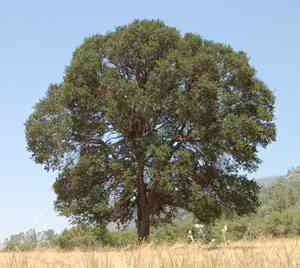
Blue oak trees can reach heights and widths of 50 feet, offering significant shade.
2
Blue oak thrives in sunny conditions and soil that drains effectively for best development.
3
Consistent care for Blue oak involves periodic trimming and sufficient hydration.
Understanding the Growth Habit of Blue oak
Identify the maximum height and spread
Before incorporating Blue oak into your landscape plan, it's crucial to grasp its growth pattern. Blue oak can reach up to 50 feet in both height and width. This substantial size makes it an excellent choice for providing shade and creating a prominent visual element in your garden. However, it also necessitates planning for ample space to accommodate its full maturity, ensuring it doesn't interfere with structures or other vegetation.
Assess the seasonal changes and foliage characteristics
Blue oak showcases an impressive display of leaves that transform with the seasons. In spring and summer, the foliage exhibits a vibrant blue-green hue, adding a unique color to your landscape. As the seasons progress, the leaves can shift into attractive shades, enhancing the garden's overall aesthetic. Understanding these seasonal shifts will help you design a dynamic and ever-changing garden that remains beautiful throughout the year.
Choosing the Right Location for Blue oak
Consider solar exposure and soil conditions
Selecting the appropriate site for Blue oak involves evaluating its sunlight and soil preferences. Blue oak thrives in full sun and prefers well-drained soils. Therefore, choose a spot in your garden that receives at least six hours of direct sunlight daily. Regarding soil, ensure it isn't prone to waterlogging, as excessive moisture can impede Blue oak's growth and vitality.
Evaluate proximity to structures and other plantings
Given the expansive spread of Blue oak, it's vital to plant it at a safe distance from buildings, fences, and other plants. Consider the potential root zone and overhead canopy when deciding on the location. Maintaining adequate space will prevent conflicts with existing structures and reduce competition for resources among plants, ensuring healthy growth and development of Blue oak.
Water and Weather Requirements
Understand the water needs of Blue oak
Blue oak is relatively drought-tolerant once established but requires consistent watering during its initial years. Deep watering, rather than frequent shallow irrigation, encourages roots to grow deeper, enhancing the tree's resilience during dry periods. Therefore, aim to water Blue oak thoroughly, especially during prolonged dry spells, to promote a robust and healthy root system.
Discuss the resilience to local weather conditions
Blue oak is well-adapted to a variety of weather conditions, making it a versatile addition to diverse landscapes. It exhibits good resilience to hot and dry climates, though it can also tolerate cooler temperatures. By understanding your local weather conditions and Blue oak's adaptability, you can ensure that it thrives and contributes positively to the overall aesthetic and functionality of your garden.
Integrating Blue oak with Other Landscape Elements
Complementary plants for visual harmony
Creating a visually appealing garden involves integrating Blue oak with other plants that complement its appearance and growth habit. Consider pairing Blue oak with shrubs and perennials that thrive in similar conditions. Plants with contrasting colors and textures can enhance the blue-green foliage of Blue oak, creating a harmonious and balanced landscape design.
Utilizing Blue oak as a focal point or a background plant
Depending on your garden's design and layout, Blue oak can serve as either a focal point or a background plant. Its majestic stature and distinctive foliage make it an eye-catching feature when positioned prominently. Alternatively, it can provide a lush green backdrop for other vibrant plants in your landscape. Evaluate your garden's needs and plan accordingly to maximize Blue oak's visual impact.
Long-Term Maintenance of Blue oak
Practical tips for sustainable health and aerial space
Ensuring the long-term health of Blue oak involves regular maintenance and care. Pruning is essential to maintain its shape, promote healthy growth, and remove any dead or diseased branches. Additionally, mulching around the tree's base helps retain soil moisture and suppress weeds, contributing to a healthier growing environment. Regularly monitor the tree for any signs of pests or diseases and address them promptly to prevent any detrimental effects.
Adjustments and care tasks unique to Blue oak
Blue oak has specific care requirements that differ from other trees. For instance, it may benefit from periodic soil tests to ensure optimal nutrient levels. Adjust the watering schedule based on seasonal changes and rainfall patterns to prevent overwatering or drought stress. Being attentive to these unique needs will help you maintain a thriving and healthy Blue oak in your landscape for years to come.



