Enhancing Your Garden Design with the Japanese emperor oak Plant: A Landscaping Guide
1
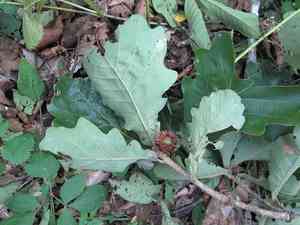
The Japanese emperor oak provides a remarkable aesthetic with its distinctive leaves and majestic form.
2
Cultivate Japanese emperor oak in a spot featuring adequately draining soil and ample to moderate sun exposure for peak development.
3
Consistent upkeep, such as trimming and applying mulch, helps maintain the Japanese emperor oak's vitality year-round.
Introducing Japanese Emperor Oak in Landscape Design
Grasping the function of Japanese Emperor Oak in outdoor environments
Japanese Emperor Oak is a valuable asset to any landscape plan, owing to its distinct attributes and adaptability. This magnificent tree is recognized for its sizable leaves and textured bark, providing both visual appeal and ecological advantages. It can serve as a central feature in expansive gardens, offer shade in an outdoor area, or function as a windbreak to safeguard more delicate flora. The significant presence of Japanese Emperor Oak establishes a structured and harmonious look in your garden.
The aesthetic contribution of Japanese Emperor Oak in contemporary and classic designs
Regardless of whether your landscaping style is modern or traditional, Japanese Emperor Oak integrates seamlessly into various design concepts. Its majestic appearance makes it a versatile component, capable of imparting grandeur to formal gardens or charm to rustic settings. The distinctive foliage of Japanese Emperor Oak can complement minimalist layouts, while its bold silhouette enhances more elaborate designs. When planning your landscape, consider the treeâs seasonal characteristics like leaf color changes and bloom patterns to maximize its visual impact throughout the year.
Integrating Japanese Emperor Oak into Garden Layouts
Optimal placement of Japanese Emperor Oak for visual impact
Strategic positioning of Japanese Emperor Oak is crucial for maximizing its visual effect in your garden. Place it where it can be the focal point, such as in the center of a lawn or an open area within the garden. Ensure it has ample room to grow without competing for resources with other plants. A well-situated Japanese Emperor Oak can also frame vistas, establish natural boundaries, or enhance entryways. Be sure to account for its mature size when planning the layout to prevent overcrowding.
Companion plant varieties for Japanese Emperor Oak
Japanese Emperor Oak flourishes when paired with complementary plant species that accentuate its characteristics without vying for resources. Understory plants like ferns, hostas, and shade-tolerant shrubs can form a lush base around the tree. Flowering plants such as azaleas and rhododendrons introduce color contrasts that highlight the foliage of Japanese Emperor Oak. Ground covers like ivy or vinca minor are also excellent choices for enhancing the base area, providing continuous greenery across the seasons.
Seasonal Considerations for Japanese Emperor Oak
What to anticipate from Japanese Emperor Oak throughout the year
Japanese Emperor Oak presents an evolving display throughout the year, making it a dynamic element of your garden design. In spring, new leaves emerge, adding a fresh green hue. By summer, the tree provides a dense canopy, offering much-needed shade. Autumn brings a transformation in leaf color, creating a stunning visual spectacle with shades of yellow and brown. In winter, the tree's bold branches and textured bark become prominent features, offering visual interest even during its dormant period.
Readying Japanese Emperor Oak for colder periods
To ensure Japanese Emperor Oak remains healthy through the winter, preparation is essential. Begin by watering the tree thoroughly in the fall to ensure it is hydrated before the ground freezes. Adding a layer of mulch around the base helps retain soil moisture and moderates soil temperature. Pruning dead or diseased branches during late fall can prevent potential damage from snow and ice accumulation. Additionally, wrap the trunk with burlap or a tree guard to protect it from chilly winds and frost damage.
Challenges and Solutions in Cultivating Japanese Emperor Oak
Common issues encountered with Japanese Emperor Oak in landscapes
Like any plant, Japanese Emperor Oak can face several difficulties in a landscape setting. Frequent problems include leaf diseases such as powdery mildew, pest infestations by caterpillars or beetles, and root rot due to inadequate drainage. Environmental stressors like drought or severe frosts can also impact its growth. Understanding these potential issues is the initial step in managing them effectively, ensuring that Japanese Emperor Oak remains a robust and healthy component of your garden.
Practical advice for maintaining Japanese Emperor Oak's health and appearance
Maintaining the health and appearance of Japanese Emperor Oak involves preventative care and consistent upkeep. Ensure the tree is planted in well-drained soil and receives sufficient sunlight. Water it deeply but infrequently, as overwatering can lead to root rot. Regular pruning helps maintain its shape and removes any diseased or damaged branches. Applying a balanced fertilizer in early spring can promote vigorous growth. Monitoring for signs of pests and diseases and addressing them promptly can prevent minor issues from escalating into major problems.
Creative Approaches to Featuring Japanese Emperor Oak in Outdoor Spaces
Innovative design concepts utilizing Japanese Emperor Oak
Incorporating Japanese Emperor Oak into your landscape design can be done creatively to maximize its presence and benefits. Consider using it as a focal point in a dedicated section of your garden, surrounded by a seating area for peaceful reflection. Create a garden path leading to the tree, adorned with lighting to highlight its structure at night. You can also plant it alongside a water feature, such as a pond or fountain, to enhance the natural setting and provide a tranquil environment.
Utilizing Japanese Emperor Oak to enhance privacy or establish natural boundaries
Japanese Emperor Oak can be strategically employed to boost privacy and create natural enclosures in your garden. Planting it along property lines or near outdoor living areas can form a natural screen, offering both seclusion and wind protection. Use it to frame garden rooms or separate different sections of your landscape, creating distinct outdoor spaces. As Japanese Emperor Oak matures, its dense foliage and stately presence will form a natural barrier, enhancing the sense of seclusion and intimacy in your garden.



