Enhancing Your Garden Design with the Burmese rosewood Plant: A Landscaping Guide
1
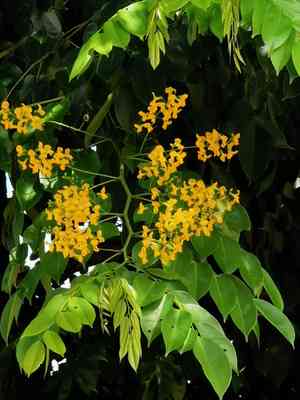
Burmese rosewood provides distinct visual appeal and integrates well into various environments.
2
Careful site selection and choosing suitable companion plants are vital for Burmese rosewood's development.
3
Incorporating Burmese rosewood into your garden can boost native wildlife and offer ecological advantages.
Introducing Burmese Rosewood in Landscape Design
Overview of Burmese rosewood's unique aesthetic contributions to garden spaces
A key appeal of Burmese rosewood is its rich, vivid timber, which introduces a spectrum of colors and textures to any garden. This visual dynamism not only enhances your landscape's beauty but also establishes a distinct focal point. The wood's natural shades span from deep reds to warm browns, making Burmese rosewood a versatile option that complements various plant species and architectural styles. Incorporating Burmese rosewood into your landscape can transform even a simple garden into a stunning, inviting outdoor sanctuary.
Brief discussion on the adaptability of Burmese rosewood in different landscapes
Burmese rosewood is renowned for its adaptability, flourishing in diverse soil types and climatic conditions. Whether your gardening environment features intense sunlight or frequent rainfall, Burmese rosewood has proven resilient. This makes it an excellent choice for nearly any garden setup. Furthermore, Burmese rosewood can be integrated into various landscape designs, from formal gardens to naturalistic and wild settings, effortlessly bridging beauty with practicality.
Designing With Burmese Rosewood: Key Considerations
Assessing the spatial needs of Burmese rosewood for optimal growth
Before planting Burmese rosewood, understanding its spatial requirements is crucial. Burmese rosewood typically matures into a large tree, needing ample room for its roots and canopy to expand. Planning for this growth is vital to prevent overcrowding and ensure the tree can thrive. It's best to plant Burmese rosewood where it has sufficient space to reach its full potential without interference from structures, other trees, or utility lines.
Selecting complementary plants that thrive alongside Burmese rosewood
Choosing plants that complement Burmese rosewood is essential for creating a cohesive garden. Consider species that flourish in similar soil and sunlight conditions as Burmese rosewood. Understory plants, such as shade-tolerant shrubs and groundcovers, can thrive beneath Burmese rosewood's canopy, forming layered vegetation that not only appears lush but also supports a diverse ecosystem. Mixing annuals and perennials with varied bloom times can add year-round interest to your garden.
The Benefits of Including Burmese Rosewood in Your Yard
Environmental advantages of planting Burmese rosewood
Planting Burmese rosewood in your garden offers several environmental benefits. Its extensive root system helps prevent soil erosion, while its dense canopy provides much-needed shade, reducing the need for air conditioning during hot months. Burmese rosewood also improves air quality by absorbing pollutants and producing oxygen, contributing to a healthier environment.
How Burmese rosewood can enhance biodiversity and support local wildlife
Burmese rosewood plays a significant role in supporting local biodiversity. Its flowers attract various pollinators, including bees and butterflies, aiding in the pollination of other plants in your garden. The dense canopy and branching structure offer habitats for birds and other small animals, fostering a lively and dynamic ecosystem. By planting Burmese rosewood, you're contributing to the preservation and enhancement of local wildlife.
Maintenance Tips for Burmese Rosewood in Landscape Settings
Seasonal care tips for maintaining the health and beauty of Burmese rosewood
Maintaining Burmese rosewood involves seasonal care to ensure it remains healthy and vibrant. During the growing season, regular watering and fertilizing can promote robust growth. In autumn, a layer of mulch can protect roots from cold temperatures, while regular pruning in late winter or early spring helps shape the tree and encourage new growth. Always monitor for pests and diseases, addressing any issues promptly to keep Burmese rosewood thriving.
Practical strategies for long-term success with Burmese rosewood in gardens
Long-term success with Burmese rosewood requires a few practical strategies. Regularly check soil quality and adjust pH levels if needed to meet Burmese rosewood's preferences. It's also beneficial to set up a watering schedule that suits the tree's needs, especially during dry spells. Additionally, periodic soil aeration can enhance root health. Incorporating these practices into your routine will ensure that Burmese rosewood remains a central, healthy feature of your landscape for years to come.
Creative Ideas for Incorporating Burmese Rosewood in Modern Landscapes
Examples of innovative uses of Burmese rosewood in contemporary design
In modern landscape designs, Burmese rosewood can be utilized innovatively to create striking visuals. Its wood is ideal for constructing elegant garden furniture or intricate pergolas that blend seamlessly with natural surroundings. Additionally, using Burmese rosewood as a living centerpiece in minimalist garden designs can add a touch of organic elegance, balancing the structured lines and clean aesthetics typical of contemporary styles.
Inspirational projects showcasing Burmese rosewood as a focal point
There are many inspiring projects where Burmese rosewood has been used as the focal point of the landscape. In urban settings, Burmese rosewood can be the centerpiece of a small garden or courtyard, providing shade and a sense of tranquility. In larger gardens, it can serve as a majestic anchor around which other elements are designed. These projects highlight the versatility and timeless appeal of Burmese rosewood, proving its value in both private and public landscapes.



