Enhancing Your Garden Design with the Guava Plant: A Landscaping Guide
1
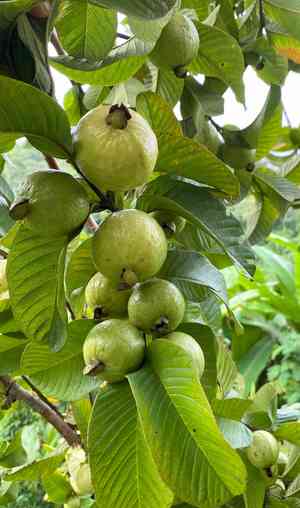
Guava provides a tropical aesthetic and serves as an excellent centerpiece in garden layouts.
2
It flourishes in ample sunlight and soil that drains effectively, yet it can adjust to diverse environments.
3
Consistent trimming and pest control are crucial for sustaining a robust Guava plant.
Introducing Guava to Your Landscape
Guava's Adaptability in Garden Layouts
Guava is a flexible plant suitable for diverse garden settings. Whether your space is compact or expansive, Guava adds elegance with its lush leaves and vibrant fruit. It can stand alone as a focal point or integrate into mixed borders, fitting both tropical and classic garden styles. Guava's adaptability extends to its growth habit, allowing it to be shaped into a tree or hedge, depending on your landscape needs.
Visual Advantages of Including Guava
Incorporating Guava into your garden not only boosts its visual appeal but also introduces a refreshing tropical feel. The plant is recognized for its striking green foliage and bright fruits, offering year-round visual interest. Guava can provide height and structure to your landscape, making it an excellent choice for creating visual anchors. Furthermore, its fruits add a splash of color, making your garden lively and inviting. Guava's blooming flowers also attract pollinators, adding a dynamic element to your garden.
Selecting the Ideal Spot for Guava
Evaluating Sunlight and Shade Needs
Choosing the correct location for Guava is vital for its development and well-being. This plant thrives in full sun but can endure partial shade. Ideally, Guava should receive at least 6 to 8 hours of direct sunlight daily. Avoid placing it in heavily shaded areas, as insufficient light can impede its growth and fruit production. In regions with intense summers, some afternoon shade can shield Guava from extreme heat. Always observe your garden's sun patterns to find the perfect balance of light and shade for optimal growth.
Understanding Soil Preferences
Guava is quite adaptable regarding soil but prefers well-drained soil rich in organic matter. It flourishes in loamy soil but can also tolerate sandy or clay soils with proper amendments. Good drainage is crucial to prevent waterlogging, which can lead to root rot. If your garden has heavy clay soil, consider adding compost or sand to enhance soil structure and drainage. A soil test before planting Guava can help you understand its nutrient profile and pH levels, allowing for necessary adjustments for optimal growth.
Design Concepts Featuring Guava
Creating Focal Points with Guava
Guava can serve as a stunning centerpiece in your garden design. Planting it centrally or at the end of a path can naturally draw attention. You can prune Guava into a small tree or a large shrub, depending on your landscape's overall theme. Using Guava this way not only highlights its beauty but also brings an exotic touch to your garden. Surround it with complementary plants or place it in a decorative pot on your patio to make it a centerpiece that enhances your outdoor space's visual appeal.
Companion Plants and Color Schemes for Guava
When designing your garden with Guava, consider plants that complement its appearance and growing requirements. Pair it with plants that have similar sunlight and water needs, such as hibiscus or bougainvillea, to create a unified look. Additionally, using contrasting colors can make Guava stand out; for instance, plants with purple or blue flowers can beautifully offset Guava's green foliage and vibrant fruits. This approach ensures a harmonious garden and highlights each plant's unique attributes.
Maintenance Advice for a Thriving Guava
Watering and Fertilization Practices
Appropriate watering is essential for maintaining a healthy Guava. Regular, deep watering helps establish strong roots, especially during the initial growth phase. Once established, Guava is relatively drought-tolerant but benefits from consistent moisture, particularly during fruiting seasons. Mulching around the base can help retain moisture and suppress weeds. Fertilizing your Guava with a balanced fertilizer every few months can promote vigorous growth and fruit production. Organic compost or a slow-release fertilizer works well to provide necessary nutrients without over-fertilizing.
Seasonal Care and Pruning Guidelines
Seasonal care ensures Guava remains healthy and productive year-round. Prune Guava in late winter or early spring to remove dead or diseased branches and to shape the plant as desired. Regular pruning encourages new growth and improved air circulation, reducing pest and disease risks. During the growing season, monitor for signs of overgrowth and trim as needed. Also, consider mulching in the fall to protect roots from cold during winter. These practices will help maintain the plant's vigor and enhance its appearance.
Common Guava Challenges and Solutions
Pest Control and Disease Prevention
Guava can encounter various pests and diseases that can impede its health and productivity. Common pests include aphids, scale insects, and fruit flies, which can be managed with regular monitoring and appropriate control methods like neem oil or insecticidal soap. Fungal diseases such as anthracnose and root rot can be prevented through proper watering practices, ensuring good air circulation, and using well-drained soil. Additionally, removing fallen leaves and debris from around the plant can minimize disease risks. Implementing these preventive measures can help keep your Guava healthy and flourishing.
Addressing Environmental Stressors
Environmental stress factors like extreme temperatures, drought, and strong winds can impact Guava's growth and health. To alleviate heat stress, consider providing afternoon shade during the hottest part of the day. During dry periods, ensure consistent watering to keep the soil moist but not waterlogged. Windbreaks or protective structures can help shield Guava from strong winds, preventing damage to branches and leaves. By anticipating these environmental challenges and taking proactive steps, you can create a stable environment for your Guava to thrive.



