Enhancing Your Garden Design with the Chinese quince Plant: A Landscaping Guide
1
The Chinese quince serves as an impressive centerpiece in garden designs.
2
Pairing Chinese quince with suitable companion plants boosts its visual charm.
3
Consistent care for Chinese quince guarantees its attractiveness throughout the year.
Introducing Chinese quince to Your Landscape
Distinctive features of Chinese quince
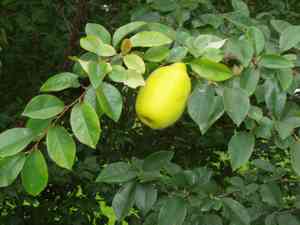
Chinese quince showcases several unique attributes that make it an appealing addition to any landscape design. Its striking, fragrant blossoms burst with color, while its glossy, dark-green leaves offer a rich backdrop throughout the growing season. Furthermore, the tree produces large, yellow-orange fruit in autumn, adding a seasonal burst of color and visual interest. This combination of aesthetic appeal and seasonal adaptability distinguishes Chinese quince from other plants.
Advantages of integrating Chinese quince into landscaping
Utilizing Chinese quince in your landscaping offers numerous advantages. Firstly, it is a low-maintenance tree, making it suitable for both novice and experienced gardeners. Secondly, the tree's robust, upright growth and dense foliage make it an excellent natural screen, providing privacy and wind protection. Lastly, its fruit can be used in various culinary applications, from making preserves to confections.
Design Concepts Featuring Chinese quince
Establishing focal points with Chinese quince
To create a garden focal point, consider planting Chinese quince in a central position where it can capture attention. Its elegant form and seasonal color shifts make it an ideal centerpiece around which other plants can be arranged. Pairing it with a well-designed hardscape, such as a stone bench or water feature, can amplify its visual impact.
Companion plants that complement Chinese quince
When planning your garden, select plants that complement Chinese quince by considering aspects like color, texture, and height. Ornamental grasses, such as Miscanthus, can emphasize the tree's stature and shape, while flowering perennials like daylilies and peonies can provide splashes of color at its base. Evergreen shrubs can offer continuous interest when Chinese quince sheds its leaves in autumn.
Seasonal considerations for Chinese quince in your garden
Designing your garden around Chinese quince necessitates an understanding of its seasonal characteristics. In spring, combine Chinese quince with early-blooming bulbs like tulips and daffodils. In summer, focus on companion plants that thrive in similar sunlight and moisture conditions. During fall, highlight its fruit with contrasting foliage colors from trees like maples or ginkgos. Winter appeal can be sustained with shrubs that possess interesting bark or evergreen foliage.
Maintaining the Beauty of Chinese quince
Practical tips for year-round upkeep
Maintaining Chinese quince involves a few key practices to ensure it remains a garden highlight throughout the year. Regularly trim dead or crossing branches to maintain a tidy shape and encourage healthy growth. Water thoroughly during dry spells, especially in its early years to help establish a strong root system. Fertilizing in the spring with a balanced fertilizer can promote vigorous growth and blooming.
Addressing common issues with Chinese quince
Like any plant, Chinese quince can encounter some common challenges that gardeners need to manage. These include pests, such as aphids, which can be controlled with neem oil or insecticidal soap. Fungal diseases, like powdery mildew, can be prevented by ensuring good air circulation around the tree and avoiding overhead watering. Consistent monitoring and proactive care are crucial for effectively resolving these issues.
Integrating Chinese quince into Compact Spaces and Urban Gardens
Design approaches for restricted areas
Incorporating Chinese quince into small spaces or urban gardens demands thoughtful design strategies. Dwarf or compact varieties of Chinese quince are perfect for limited areas, as they offer the same beautiful features while occupying less room. Utilizing raised beds or containers can also help manage space efficiently. Group Chinese quince with other compact plants to create a lush, layered effect without overcrowding.
Vertical gardening with Chinese quince
Vertical gardening is another effective method to integrate Chinese quince into small or urban spaces. Training Chinese quince against a wall or fence can maximize vertical space while creating a striking visual element. Climbing plants, such as clematis or climbing roses, can also be paired with Chinese quince to enhance vertical appeal. Ensuring proper support and regular pruning will help maintain the health and aesthetic of your vertical garden.



