Enhancing Your Garden Design with the Amur chokecherry Plant: A Landscaping Guide
1
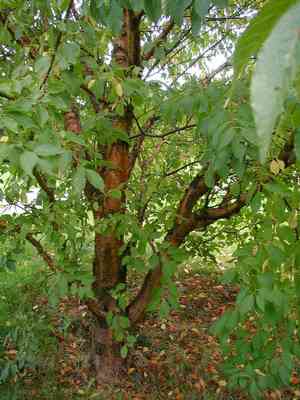
Amur chokecherry offers continuous appeal through its distinctive bark and changing seasonal hues.
2
Strategic positioning of Amur chokecherry ensures a balance of light and shadow for best development.
3
Amur chokecherry benefits native fauna, such as pollinators and avian species, enhancing ecological diversity.
Appreciating the Visual Charm of Amur chokecherry
Seasonal Color Shifts: The Evolving Beauty of Amur chokecherry
A key attractive quality of Amur chokecherry is its changing seasonal colors. Throughout the year, you'll observe its foliage transform, moving from vibrant green in spring to a warm, golden shade in autumn. This continuous alteration keeps your garden lively and visually engaging, making each season a fresh experience. These shifts can be emphasized by thoughtful placement against evergreens or contrasting deciduous plants.
Distinctive Bark Texture: Adding Year-Round Visual Interest
Amur chokecherry is recognized for its unique bark, which brings texture and depth to any landscape. The bark is smooth and polished with a distinct coppery hue that stands out, especially in winter when other foliage has receded. This characteristic provides a unique visual appeal that lasts all year, ensuring your garden remains attractive even in the harshest seasons.
Foliage and Bloom Characteristics: Layering the Allure
The leaves and flowers of Amur chokecherry add multiple levels of appeal to your outdoor space. In spring, Amur chokecherry produces delicate white blossoms that are not only beautiful but also emit a pleasant scent. The lush, vibrant leaves form a dense canopy, creating a peaceful and shaded area. By understanding and utilizing these features, you can design a garden that feels rich and full, captivating visitors with its layered beauty.
Optimizing Amur chokecherry Placement in Your Garden for Best Effect
Strategic Positioning Advice: Balancing Light Exposure
When placing Amur chokecherry in your garden, it's vital to balance sun and shade. This plant flourishes in areas receiving full sun to partial shade. Too much shade can impede its growth, while excessive sun can cause dehydration. Ideally, positioning Amur chokecherry where it gets morning sun and afternoon shade will allow it to thrive. This balance not only promotes plant health but also maximizes its visual impact in your landscape.
Companion Planting: Ideal Partners for Amur chokecherry?
Companion planting involves choosing plants that mutually benefit each other when grown together. For Amur chokecherry, suitable companions include plants that prefer similar growing conditions, such as low-growing perennials and ground covers. Plants like hostas or ferns, which thrive in partial shade, can complement Amur chokecherry's canopy while filling in the lower garden levels. This creates a harmonious planting scheme that is both visually pleasing and beneficial for the plants.
Understanding Root Development to Prevent Future Problems
Grasping the root growth patterns of Amur chokecherry is crucial to prevent future landscaping issues. Amur chokecherry has a moderate root system that can spread outwards, so it's important to plant it at least 15-20 feet away from structures or other trees. This prevents potential damage to foundations or underground pipes. By giving Amur chokecherry ample space to grow, you ensure its longevity and the structural integrity of your landscape.
Amur chokecherry's Influence on Local Ecosystems and Biodiversity
Attracting Pollinators: How Amur chokecherry Supports Local Wildlife
Amur chokecherry plays a significant role in sustaining local wildlife by drawing in pollinators. Its spring flowers are a vital source of nectar for bees, butterflies, and other pollinating insects. These pollinators are essential for the health of your garden and the wider ecosystem. By planting Amur chokecherry, you contribute to the support and sustainability of local pollinator populations, which in turn helps other plants in your garden to flourish.
Bird-Friendly Attributes: Aiding Avian Populations
The characteristics of Amur chokecherry also make it very appealing to birds. Its dense foliage offers excellent cover and nesting sites, while its flowers and subsequent small fruits provide a food source. Birds are crucial for pest control and seed dispersal, improving the overall health of your garden. By including Amur chokecherry in your landscape, you create a bird-friendly environment that supports avian populations and ecological balance.
Eco-Friendly Aspects of Cultivating Amur chokecherry
Planting Amur chokecherry offers numerous environmental advantages. It requires relatively little maintenance and is resistant to many common pests and diseases, reducing the need for chemical treatments. Its extensive root system helps prevent soil erosion, while its canopy aids in air purification and cooling. These environmentally sound aspects make Amur chokecherry an excellent choice for those aiming to create a sustainable and eco-conscious garden.
Enduring Benefits of Incorporating Amur chokecherry into Landscapes
Boosting Property Value with Established Amur chokecherry
A mature Amur chokecherry can significantly increase your property's worth. Its aesthetic appeal and the shade it provides make outdoor areas more enjoyable and attractive to prospective buyers. A well-cared-for Amur chokecherry serves as proof of the attention given to the property, enhancing its overall market value. This long-term advantage makes investing in Amur chokecherry a smart decision for homeowners.
Low Maintenance Perks: Efficiency in Time and Cost
Amur chokecherry offers low maintenance benefits that save both time and money. It needs minimal pruning and is quite resistant to pests and diseases, meaning less spending on care and chemical applications. Its robust nature ensures it thrives with basic attention, allowing you more time to enjoy your garden instead of maintaining it. This ease of care makes Amur chokecherry ideal for those seeking a beautiful yet low-effort landscape.
Adaptability and Resilience: Amur chokecherry's Response to Climate Shifts
Amur chokecherry is known for its adaptability and hardiness, especially in the face of climate changes. It can endure various weather conditions, including colder climates, making it a dependable option for different regions. This adaptability means that Amur chokecherry will continue to thrive despite fluctuating environmental conditions, ensuring the longevity and stability of your landscape design.



