Enhancing Your Garden Design with the Australian cheesewood Plant: A Landscaping Guide
1
Australian cheesewood is becoming increasingly favored for its diverse uses in garden design.
2
Australian cheesewood boasts appealing leaves and aromatic blossoms, making it a prominent feature in any outdoor space.
3
Caring for Australian cheesewood is quite straightforward, making it an excellent option for both new and seasoned plant enthusiasts.
Introducing Australian Cheesewood for Landscaping
The Growing Appeal of Australian Cheesewood in Modern Landscape Design
Australian cheesewood has become a highly sought-after plant in landscaping due to its many attractive qualities. Its popularity is rapidly increasing, especially among those seeking a blend of beauty and utility in their gardens. From urban environments to expansive rural properties, Australian cheesewood integrates seamlessly, offering both visual charm and practical advantages. More landscape designers and gardeners are choosing Australian cheesewood for its ability to adapt to various settings and its relatively low maintenance needs.
Key Features Making Australian Cheesewood Ideal for Outdoor Areas
Australian cheesewood stands out because of its sturdy and appealing leaves, fragrant blooms, and ability to thrive in diverse climates. It showcases an elegant, wavy leaf structure that adds texture and depth to gardens. The plant's resilience and pest resistance make it an excellent option for those who prefer durable and long-lasting greenery. Furthermore, Australian cheesewood flourishes in both full sun and partial shade, allowing for flexible placement within a garden design.
Aesthetic Advantages of Australian Cheesewood
Enhancing Visual Appeal with Australian Cheesewood's Distinctive Traits
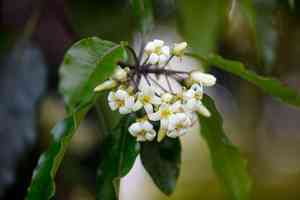
Australian cheesewood brings a unique elegance to any landscape. Its glossy, undulating leaves create a striking visual impact, particularly when combined with plants that have contrasting forms and colors. Additionally, the white, aromatic flowers add a delicate and charming touch, which can enrich sensory experiences in outdoor spaces. By incorporating Australian cheesewood, you can establish focal points and design elements that capture attention and impart a sophisticated feel to garden layouts.
Color and Texture Profiles: How Australian Cheesewood Complements Various Garden Styles
The color and texture of Australian cheesewood allow it to integrate beautifully with diverse garden themes. Whether you aim for a tropical oasis or a tranquil, minimalist garden, Australian cheesewood's adaptable appearance can fit in perfectly. Its green shades range from bright, almost lime-green in new growth to deeper, richer tones in mature leaves. This color progression provides a layered, dynamic look. Additionally, the plant's wavy patterns offer a textural contrast to smoother-leaved plants, enriching the overall garden aesthetics.
Integrating Australian Cheesewood with Other Plants
Advice for Pairing Australian Cheesewood with Other Plants for Harmonious Designs
Creating a balanced garden design involves thoughtful plant pairing, and Australian cheesewood complements a wide array of flora. One effective suggestion is to pair Australian cheesewood with plants that have bold, solid leaves to emphasize its unique texture. Another is to combine it with flowering plants that bloom in different seasons, ensuring year-round visual interest. Consider planting Australian cheesewood alongside evergreens to maintain greenery during dormant seasons or with vibrant annuals to add a pop of color and seasonal variety to your garden.
Examples of Effective Plant Combinations Featuring Australian Cheesewood
Successful plant combinations can significantly improve your landscape. For instance, pairing Australian cheesewood with ornamental grasses creates a textured, multi-level aesthetic. Combining it with colorful perennials such as lavender or echinacea adds bursts of color that contrast beautifully with Australian cheesewood's deep green leaves. Additionally, Australian cheesewood blends well with smaller shrubs or groundcovers like jasmine, contributing to a fuller and more visually engaging garden space. These combinations not only foster visual interest but also promote biodiversity in your garden.
Maintenance Guidelines for Australian Cheesewood in Your Garden
Understanding Australian Cheesewood's Basic Requirements for Long-Term Health
Maintaining Australian cheesewood is straightforward, making it an appealing choice for gardeners of all experience levels. Key factors include ensuring well-drained soil and consistent watering, especially during the plant's initial establishment period. Australian cheesewood is relatively drought-tolerant once mature, but regular moisture helps it thrive. Additionally, applying mulch around the base can retain soil moisture and suppress weeds. Routine pruning encourages vigorous growth and helps maintain the plant's desired shape and size.
Seasonal Care Practices to Keep Australian Cheesewood Flourishing
To ensure Australian cheesewood remains in optimal condition, consider seasonal maintenance routines. In spring, a slow-release fertilizer can boost growth and vitality. During summer, monitor water levels closely, as dry conditions can stress the plant. Autumn is ideal for pruning, as it prepares Australian cheesewood for winter and promotes robust spring growth. Protecting the plant from harsh winter conditions, or ensuring it is in a sheltered spot, will help it survive and thrive year after year.
Environmental Impact and Sustainability of Australian Cheesewood
The Ecological Advantages of Incorporating Australian Cheesewood in Landscapes
Australian cheesewood offers several ecological benefits that positively contribute to your garden environment. Its dense foliage can provide shelter and habitat for various beneficial insects and small wildlife. The flowers attract pollinators like bees and butterflies, supporting the health and biodiversity of your garden ecosystem. Moreover, by choosing Australian cheesewood, you are potentially reducing the need for chemical pesticides due to its pest-resistant qualities, promoting a more natural and sustainable garden.
Sustainability Considerations and Australian Cheesewood's Adaptability
Australian cheesewood's adaptability means it can thrive in a range of soil types and environmental conditions, making it a sustainable choice for diverse landscapes. Its relatively low water requirements after establishment reduce the strain on water resources, especially in drought-prone areas. By integrating Australian cheesewood into your garden planning, you are making a sustainable choice that aligns with eco-friendly gardening practices. Ensuring proper spacing and soil preparation further enhances Australian cheesewood's growth and sustainability, contributing to a healthier and more resilient garden.



