Enhancing Your Garden Design with the Japanese pittosporum Plant: A Landscaping Guide
1
Pittosporum tobira is a adaptable plant suitable for diverse garden designs.
2
Correct placement of Pittosporum tobira guarantees peak development and visual attractiveness.
3
Consistent care will maintain Pittosporum tobira's health and liveliness throughout the year.
Introducing Japanese Pittosporum for Landscaping
Overview of Japanese pittosporum's visual appeal
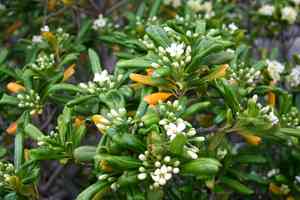
Japanese pittosporum's allure in garden design stems from its lustrous, dark green leaves and fragrant blossoms. This plant elevates garden aesthetics by introducing texture and depth. Its thick foliage makes it an excellent option for hedges and privacy screens, while its small, creamy-white flowers offer a delicate, pleasing contrast. The plant's subtle scent is an added bonus, making it a preferred choice for infusing gentle sensory elements into outdoor areas.
Advantages of selecting Japanese pittosporum for landscape projects
Choosing Japanese pittosporum for landscaping endeavors offers numerous advantages. This plant is renowned for its high adaptability to various soil types, making it suitable for diverse garden environments. Furthermore, its low-maintenance nature means even beginner gardeners can achieve excellent outcomes. Japanese pittosporum's resistance to many common pests and diseases further enhances its appeal, ensuring your garden remains strong and healthy with minimal intervention. Lastly, its capacity to provide year-round greenery makes it an appealing choice for many landscape designs.
Optimal Placements for Japanese Pittosporum in Outdoor Settings
Understanding ideal light exposure and climate conditions
To maximize Japanese pittosporum's growth and visual benefits, comprehending its light and climate requirements is essential. Japanese pittosporum flourishes in both full sun and partial shade, though full sun encourages the best flowering. This plant also tolerates a range of climates, but prefers well-drained soil and moderate irrigation. Avoid soggy conditions, as they can lead to root rot. In colder regions, providing some winter protection can help ensure its longevity and vitality.
Guidance on positioning Japanese pittosporum in garden layouts
Strategic placement of Japanese pittosporum within your garden layout can make a significant impact. When utilized as a hedge or privacy screen, plant Japanese pittosporum in a line with adequate spacing for growth. If incorporating it as a standalone ornamental shrub, consider placing it in areas that receive ample sunlight. Japanese pittosporum also performs well in mixed borders, where its lush foliage can complement other plants. As a general rule, ensure sufficient air circulation and maintain balance in the garden arrangement to highlight Japanese pittosporum's inherent beauty.
Design Concepts Featuring Japanese Pittosporum
Integrating Japanese pittosporum into formal garden designs
In formal garden designs, Japanese pittosporum can play a vital role due to its structured and tidy growth habit. It is perfect for creating geometric patterns or symmetrical arrangements, often seen in traditional European-style gardens. You can use Japanese pittosporum to line walkways, define garden beds, or establish elegant borders that enhance the overall symmetry of your design. Its adaptability also allows it to be pruned into various forms, offering versatility in achieving the desired formal aesthetic.
Innovative uses for Japanese pittosporum in informal garden settings
For informal garden settings, Japanese pittosporum provides a touch of natural elegance without overpowering the space. Its loose, rounded form fits perfectly into cottage gardens, woodland environments, or any landscape design that values a more relaxed look. Pair it with flowering perennials to add bursts of color, or use it as a backdrop for smaller plants. The key is to let Japanese pittosporum complement the free-flowing nature of informal designs while still offering structure and visual interest.
Combining Japanese pittosporum with other plants for balance and contrast
Pairing Japanese pittosporum with other plants can create harmony and striking contrasts in your garden. Select companion plants with different textures, colors, or bloom times to emphasize Japanese pittosporum's characteristics. For instance, combining Japanese pittosporum with plants that have vibrant blooms or variegated foliage can create a visually dynamic landscape. Consider using evergreen perennials that contrast with Japanese pittosporum's glossy leaves to maintain interest throughout the seasons. The goal is to create a balanced blend that highlights the best attributes of each plant.
Care Guidelines for Japanese Pittosporum in Your Landscape
Fundamental maintenance practices
Caring for Japanese pittosporum is relatively straightforward. Consistent watering is crucial, especially during the plant's initial establishment phase. Once mature, Japanese pittosporum is quite drought-tolerant, but occasional deep watering can encourage robust growth. Pruning is another essential maintenance task; trim the plant annually to maintain its shape and remove any diseased or damaged branches. Fertilize Japanese pittosporum in the spring with a balanced fertilizer to promote vigorous growth and flowering.
Seasonal care recommendations
Seasonal care can significantly improve Japanese pittosporum's health and appearance. In spring, inspect the plant for winter damage and prune as needed. During summer, monitor watering requirements, particularly in hot and dry conditions. Fall is an opportune time to apply mulch around the base of Japanese pittosporum to help retain soil moisture and offer protection against colder temperatures. In winter, in colder climates, consider covering Japanese pittosporum with burlap or other protective materials to shield it from harsh weather.
Environmentally Friendly Practices with Japanese Pittosporum
Water conservation methods for Japanese pittosporum
Implementing water conservation techniques with Japanese pittosporum is not only eco-friendly but also beneficial for the plant. Drip irrigation systems can provide targeted watering, reducing water waste and encouraging deep root development. Adding a layer of mulch around the plant's base helps retain soil moisture and minimizes evaporation. Additionally, watering in the early morning or late evening ensures less water is lost to evaporation.
Utilizing Japanese pittosporum to support local wildlife
Planting Japanese pittosporum can contribute to fostering local wildlife within your garden. Its flowers attract pollinators like bees and butterflies, playing a role in supporting the ecosystem. The dense foliage can also offer shelter for small birds and beneficial insects. By incorporating Japanese pittosporum into your landscape, you're not only enhancing your garden's aesthetics but also creating a mini-habitat that benefits local wildlife.



