Enhancing Your Garden Design with the Himalayan pine Plant: A Landscaping Guide
1
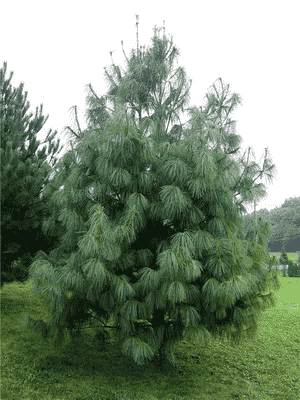
The Himalayan pine provides continuous aesthetic appeal due to its evergreen foliage and unique form.
2
This easy-to-care-for tree is perfect for those seeking an affordable yet attractive choice.
3
It demonstrates strong adaptability to diverse weather conditions and shows immunity to numerous typical insects.
Introducing Himalayan Pine for Landscape Design
The visual appeal of Himalayan pine: How it improves garden aesthetics
Himalayan pine, recognized for its graceful, drooping needles and tall, slender trunk, brings a distinct beauty to any garden. Its balanced form and soft, feathery foliage offer a calming visual effect, making it an excellent option for those aiming to create a tranquil outdoor area. Whether used as a solitary specimen or part of a mixed border, Himalayan pine can elevate the garden's overall design.
Anticipated growth and height: Understanding the dimensions and shape of Himalayan pine
Grasping the growth habits of Himalayan pine is crucial for planning your garden layout. This tree can reach considerable heights, typically between 30-50 feet, with some specimens growing even taller. Its width extends from 20-40 feet, forming a broad, tapered silhouette. Gardeners should account for this spatial requirement, ensuring the tree is planted where it has ample room to thrive without encroaching on other plants or structures.
Year-round color and texture provided by Himalayan pine
A key characteristic of Himalayan pine is its capacity to offer consistent color and texture throughout the year. Its bluish-green needles maintain their hue even in colder months, providing a vibrant splash of color when many other plants are dormant. The treeâs bark adds another layer of visual interest, with its smooth, gray surface developing a more rugged texture as the tree matures. This continuous appeal makes Himalayan pine a dependable choice for sustaining garden beauty in every season.
Practical Advantages of Selecting Himalayan Pine for Your Landscape
Low-maintenance characteristics of Himalayan pine that make it an economical choice
Himalayan pine is a particularly low-maintenance tree, making it an economical option for your landscape. It doesnât demand frequent pruning or extensive care, flourishing with minimal intervention. This makes it ideal for busy homeowners or those who prefer a more hands-off approach to gardening. The treeâs natural growth habit tends to be neat and tidy, reducing the need for constant upkeep.
Climate resilience: How Himalayan pine withstands various environmental conditions
The resilience of Himalayan pine to diverse climates is another reason for its popularity in landscaping. It is well-adapted to both cold and warmer climates, handling temperature fluctuations with ease. Being native to the Himalayas, itâs remarkably hardy and can endure frost, snow, and icy conditions, while also tolerating dry environments once established. This adaptability ensures it can thrive in a range of geographic locations, making it a versatile choice for many gardeners.
Pest resistance and overall hardiness
One of the defining features of Himalayan pine is its natural resistance to many common pests and diseases. This inherent hardiness reduces the need for chemical treatments and constant vigilance, contributing to a healthier and more sustainable garden environment. The treeâs strong structural integrity also means itâs less prone to breakage during storms, ensuring longevity and reliability in your landscape.
Landscape Design Concepts Utilizing Himalayan Pine
Creating focal points with Himalayan pine in your garden
Using Himalayan pine as a focal point in your garden can create a striking visual impact. Its impressive height and distinctive shape draw the eye, making it perfect for adding vertical interest. Consider planting it in a central location or at the end of a garden path to highlight its beauty. Surround it with low-growing shrubs and flowers to create a layered look that emphasizes its stature.
Integrating Himalayan pine into privacy screens and windbreaks
Himalayan pine can be effectively used to create natural privacy screens and windbreaks. Its dense foliage and substantial size provide excellent coverage, blocking unsightly views and shielding your garden from strong winds. Planting a row of Himalayan pine along the boundaries of your property can offer a serene, green barrier, enhancing both privacy and tranquility.
Complementary plants and design styles that pair well with Himalayan pine
Pairing Himalayan pine with complementary plants can enhance your garden's aesthetic. Its bluish-green needles look stunning against colorful flowering plants like rhododendrons and azaleas. Additionally, consider incorporating grasses and groundcovers to soften the transition to the garden floor. The classic yet versatile appearance of Himalayan pine blends well with various design styles, from traditional to contemporary landscapes.
Innovative Applications of Himalayan Pine in Public and Commercial Settings
Revitalizing public parks with Himalayan pine: Case studies and examples
Public parks can benefit immensely from the addition of Himalayan pine. Its impressive size and robust presence make it ideal for large green spaces. Several parks have successfully integrated Himalayan pine into their landscape designs, using it to create shaded areas, natural barriers, and decorative focal points. These implementations demonstrate the treeâs ability to enhance the overall aesthetic and functionality of public spaces.
Enhancing corporate landscapes with the elegance of Himalayan pine
Corporate landscapes often aim to balance formality and natural beauty, making Himalayan pine an excellent choice. Its elegant, stately appearance adds a touch of sophistication to office complexes and commercial grounds. When combined with well-maintained lawns and other structured plantings, Himalayan pine can elevate the professional appearance of these environments, providing inviting outdoor spaces for employees and visitors.
Himalayan pine's contribution to urban green spaces
In urban areas, green spaces are crucial for improving the quality of life. Himalayan pine plays a significant role in these settings by contributing to the greenery and offering respite from the concrete jungle. Its ability to thrive in various conditions makes it suitable for urban parks, medians, and residential areas, where it can provide shade, improve air quality, and create more pleasant, livable environments.



