Enhancing Your Garden Design with the Blushing philodendron Plant: A Landscaping Guide
1
The blushing philodendron prospers in locations with partial shade, offering flexibility for various garden layouts.
2
Using a blushing philodendron as a centerpiece can introduce an exotic flair to your outdoor space.
3
Consistent care guarantees the blushing philodendron stays vibrant and attractive throughout the year.
Appreciating the Visual Charm of Blushing Philodendron
Emphasizing the distinctive foliage structure of Blushing Philodendron
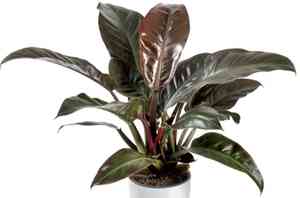
The singular leaf formation of Blushing Philodendron stands out as a primary attractive trait. Each leaf is shaped like a heart and boasts a shiny surface that beautifully reflects light. Furthermore, mature leaves tend to develop a deeper hue, offering a visual contrast that enhances your garden's overall look. Incorporating Blushing Philodendron to highlight specific garden areas can imbue your outdoor space with an exotic, opulent feel.
Examining the color shifts of Blushing Philodendron within garden settings
Blushing Philodendron introduces a captivating spectrum of colors to your garden. Its leaves emerge with a lively reddish-brown shade, gradually transforming to a deep green as they mature. This transition not only adds a dynamic visual element but also allows Blushing Philodendron to integrate smoothly with other plants, fostering both unity and contrast. By carefully placing Blushing Philodendron where these color changes can be observed, you can deepen your landscape's visual richness and appeal.
The role of Blushing Philodendron in establishing garden focal points
Creating visual anchors is vital for balanced landscape design, and Blushing Philodendron excels in this capacity. Its unique appearance can draw the eye and guide observers through the garden. Whether positioned near a seating area, alongside pathways, or as a standalone specimen, Blushing Philodendron can serve as a captivating centerpiece. Integrating features like garden sculptures or water elements close to Blushing Philodendron can further accentuate its prominence.
Optimal Placement for Blushing Philodendron in Gardens
Achieving sun and shade equilibrium: Ideal conditions for Blushing Philodendron
Blushing Philodendron thrives in environments that provide a balance of sunlight and shade. While it can tolerate direct sun, particularly in the morning, positioning it in partially shaded spots for most of the day is best to prevent leaf scorching. The perfect location for Blushing Philodendron would be beneath the filtered light of larger trees or on the eastern side of your home, where it receives gentle morning sun and afternoon shade. Ensuring proper light exposure will maintain the plant's vibrancy and health.
Strategic placement of Blushing Philodendron for sustained year-round allure
To ensure continuous appeal throughout the year, it's crucial to site Blushing Philodendron where its beauty can be admired across all seasons. Consider planting it alongside evergreen shrubs or mixing it with seasonal blooms to guarantee ongoing visual interest. By integrating Blushing Philodendron into your garden's structure, you can showcase its evolving leaf colors year-round and provide a stable backdrop for other plants during their dormant periods. This thoughtful placement ensures your garden always retains a captivating element, irrespective of the season.
Integrating Blushing Philodendron with companion plants: Compatible species and arrangements
Achieving a cohesive garden aesthetic involves pairing Blushing Philodendron with other plants that complement its growth habits and visual attributes. Think about combining it with species featuring contrasting textures and colors, such as ferns, hostas, or ornamental grasses. This combination can highlight the distinct qualities of each plant and create a balanced, visually pleasing arrangement. Additionally, arranging plants by height and growth habit can add depth and structure to your garden, ensuring Blushing Philodendron becomes a harmonious component of the broader landscape.
Creative Methods to Showcase Blushing Philodendron in Outdoor Spaces
Developing vertical gardens with Blushing Philodendron: Techniques and advice
Vertical gardens offer an excellent way to incorporate Blushing Philodendron into compact areas. By training its climbing stems to ascend trellises, walls, or poles, you can introduce greenery without occupying significant ground space. For a successful vertical garden, ensure the support structure can bear the mature plant's weight and that it receives adequate light and water. Regularly check for any signs of distress or pests, as vertical gardens can sometimes require more upkeep than conventional ground plantings.
Employing Blushing Philodendron in garden borders and alongside paths
Using Blushing Philodendron along garden edges and pathways can establish a natural, flowing outline that guides visitors through your outdoor space. Its abundant, dense foliage can soften walkway boundaries and create an attractive, organic border. When planting Blushing Philodendron in these zones, be sure to space the plants appropriately to allow for growth and prevent overcrowding. Moreover, combining it with low-growing ground covers or flowering plants can add further layers and textures to your garden design.
Incorporating Blushing Philodendron into water features and rock gardens
Blushing Philodendron can infuse water features and rock gardens with an exotic flair, fostering an ambiance of serenity and natural splendor. Its lush leaves can cascade over rocks or around ponds, providing a verdant backdrop to the clear water. When planting near water features, ensure Blushing Philodendron is not subjected to excessive moisture, which can cause root rot. Well-drained soil and consistent care are crucial for maintaining Blushing Philodendron's health in these environments.
Care Guidelines for Blushing Philodendron in Landscapes
Essential upkeep and seasonal care for Blushing Philodendron
Caring for Blushing Philodendron entails consistent watering, feeding, and monitoring for indicators of stress. During its active growth phase, keep the soil uniformly moist but not waterlogged. In winter, reduce irrigation as the plant's growth slows down. Fertilize Blushing Philodendron monthly with a balanced, water-soluble fertilizer to bolster its growth and vibrant foliage. Furthermore, routine inspections for any pests or diseases will help detect issues early and prevent their spread.
Trimming and growth management: Maintaining Blushing Philodendron's health and appeal
Pruning is vital for preserving the form and vitality of Blushing Philodendron. Regularly removing dead or damaged leaves promotes new growth and keeps the plant looking its best. If Blushing Philodendron becomes excessively leggy, do not hesitate to cut it back to encourage a bushier appearance. Additionally, monitor the plant's size to ensure it doesn't overshadow other garden elements. By managing its growth, you can keep Blushing Philodendron looking tidy and attractive all year long.
Addressing common pests and issues associated with Blushing Philodendron
Typical pests that might affect Blushing Philodendron include aphids, spider mites, and mealybugs. Regular plant inspection and using suitable treatments, such as insecticidal soap or neem oil, can manage these pests. Overwatering and inadequate drainage can lead to root rot, so always ensure the soil drains well and the plant is not sitting in stagnant water. Proper care and vigilance will help keep Blushing Philodendron robust and free from common problems.



