Enhancing Your Garden Design with the Queen's wreath Plant: A Landscaping Guide
1
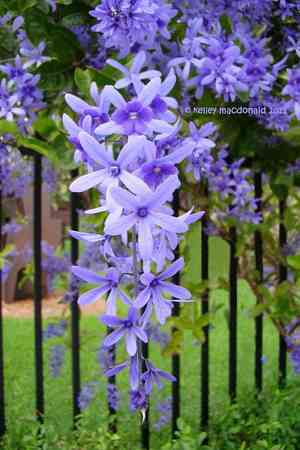
The vivid purple flowers of Queen's wreath make it a striking feature in any garden.
2
Optimal growing environments for Queen's wreath involve ample sunlight and soil that drains effectively.
3
Integrating Queen's wreath with other plants can improve your garden's natural balance.
Introducing Queen's Wreath in Garden Design
Overview of Queen's wreath's visual appeal and distinct features.
Queen's wreath is prized for its flowing clusters of vivid purple blooms, which provide a striking visual impact in any garden setting. Renowned for its unique capacity to transform ordinary areas into spectacular views, this plant imparts a touch of grace and charm. The blossoms are not only beautiful but also draw in various pollinators, including butterflies and bees, thereby enriching your garden's biodiversity.
Potential advantages of incorporating Queen's wreath into landscape designs.
Integrating Queen's wreath into your landscape design offers several advantages. Firstly, its robust nature makes it relatively simple to cultivate and care for. Secondly, its dense foliage offers excellent coverage and seclusion for outdoor spaces. Thirdly, the plant's climbing habit means it can be utilized to adorn arbors, fences, and trellises, adding vertical interest to your garden. In essence, Queen's wreath functions as a versatile plant that beautifies, decorates, and fosters a healthy garden ecosystem.
Optimal Locations for Planting Queen's Wreath
Evaluating sun exposure and soil types suitable for Queen's wreath.
Queen's wreath thrives best in spots that receive full sun exposure for at least six hours daily. This ensures the plant gets sufficient light to fuel its development and produce its characteristic vibrant flowers. Regarding soil, Queen's wreath prefers well-drained soil with a slightly acidic to neutral pH. While it tolerates poorer soils fairly well, adding organic matter can significantly enhance its growth and flowering potential.
Strategic placement advice for maximizing visual impact.
To fully leverage Queen's wreath's visual appeal, consider planting it near structures where it can ascend and spread. Arbors, pergolas, and trellises are ideal choices. Additionally, positioning Queen's wreath in areas where its blossoms will contrast against a backdrop of green foliage or a solid wall can create a striking visual effect. Remember, thoughtful placement is crucial to showcasing the full beauty of Queen's wreath while ensuring it complements the existing landscape.
Companion Planting with Queen's Wreath
Selecting complementary plants for color and texture contrast.
When choosing companion plants for Queen's wreath, opt for species that provide contrasting colors and textures to enhance your garden's overall aesthetic. Plants with white, yellow, or red flowers can create a vibrant contrast against Queen's wreath's purple tones. Additionally, consider foliage plants with diverse textures and shapes, such as ferns or hostas, to add depth and interest. The combination of these elements can result in a visually varied and appealing garden space.
Benefits of ecological companion planting with Queen's wreath.
Beyond aesthetics, companion planting with Queen's wreath can yield ecological advantages. Select plants that attract beneficial insects or deter pests, contributing to a healthier garden environment. For instance, planting herbs like basil or mint nearby can ward off unwanted pests, while flowering plants like marigolds can draw in pollinators. This symbiotic relationship not only supports plant health but also boosts biodiversity, creating a more resilient and vibrant garden ecosystem.
Long-Term Care and Growth Management
Essential tips to maintain the health and appearance of Queen's wreath.
Maintaining Queen's wreath is relatively simple with a few key practices. Consistent watering, especially during dry spells, is vital for keeping the plant hydrated and flourishing. Mulching around the base can help retain soil moisture and regulate temperature. Furthermore, an annual application of balanced fertilizer can promote vigorous growth and blooming. Pruning is also crucial for removing dead or diseased wood and preserving the plant's shape and size.
Techniques to control overgrowth and ensure plant longevity.
To prevent Queen's wreath from becoming overgrown and unmanageable, regular pruning and training are necessary. Early spring is the optimal time for a thorough pruning session, focusing on cutting back unruly branches and shaping the plant. Utilizing support structures like trellises and arbors can guide its growth and keep it in check. By consistently managing its development, you can ensure that Queen's wreath remains a beautiful and enduring feature in your garden for many years to come.



