Enhancing Your Garden Design with the Zhejiang hop-hornbeam Plant: A Landscaping Guide
1
Zhejiang hop-hornbeam flourishes in soil that drains effectively, receiving both sun and some shade.
2
The periods of spring and summer are vital for the development and care of Zhejiang hop-hornbeam.
3
Zhejiang hop-hornbeam is suitable for establishing impressive central features within your garden layout.
Introducing Zhejiang hop-hornbeam to Your Garden
Understanding the Growth Habit of Zhejiang hop-hornbeam
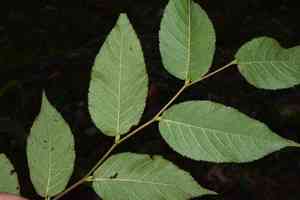
When incorporating Zhejiang hop-hornbeam into your garden, grasping its natural development patterns is crucial. This tree typically grows to a small to medium size, reaching up to 20 feet. It exhibits a slightly conical form and boasts attractive, serrated leaves that offer a lush, green appearance during the growing season. Its growth rate is moderate, allowing for size management without extensive pruning. Comprehending this growth trajectory aids in planning its placement and estimating its long-term spatial requirements.
Seasonal Changes: What to Expect with Zhejiang hop-hornbeam
Seasonal shifts bring distinct transformations to Zhejiang hop-hornbeam, providing visual appeal throughout the year. In spring, anticipate a vibrant emergence of fresh green foliage. As summer progresses, the leaves maintain their verdant hue, offering consistent beauty. By autumn, the leaves transition into brilliant shades of yellow and orange, injecting a burst of color into your landscape. During winter, the tree's structure and bark become more prominent, adding texture and interest to the dormant garden. Understanding these seasonal changes helps in planning for year-round aesthetic value.
Why Zhejiang hop-hornbeam is a Top Choice for Landscaping Enthusiasts
Many landscaping enthusiasts favor Zhejiang hop-hornbeam for several reasons. Its relatively compact size makes it suitable for both small and large gardens. The tree's appealing bark and seasonal foliage changes enhance its aesthetic charm. Furthermore, Zhejiang hop-hornbeam is robust and can flourish in various well-drained soil conditions, tolerating both partial shade and full sun. These attributes make it a versatile option for diverse landscaping projects. By integrating Zhejiang hop-hornbeam into your garden, you can enjoy a resilient, low-maintenance tree that adds significant beauty and value.
Comparing Zhejiang hop-hornbeam with Other Landscape Trees
When comparing Zhejiang hop-hornbeam to other landscape trees, it distinguishes itself through a unique blend of size, beauty, and hardiness. Unlike larger trees that might dominate a small garden, Zhejiang hop-hornbeam offers a manageable alternative without sacrificing aesthetic appeal. Its year-round interest, thanks to seasonal leaf color changes and intriguing bark, also gives it an advantage over more monochromatic tree species. While some trees demand specific soil or light conditions, Zhejiang hop-hornbeam's adaptability allows it to thrive in various environments, making it a more versatile choice for many gardeners.
Designing With Zhejiang hop-hornbeam: Tips and Tricks
Choosing the Ideal Location for Zhejiang hop-hornbeam
Selecting the optimal site for Zhejiang hop-hornbeam is vital for its development and impact. It's best to plant it in an area receiving full sun to partial shade. Ensure the soil drains well to prevent waterlogging, which can harm its roots. Consider positioning Zhejiang hop-hornbeam where it can serve as a focal point, such as near pathways or central garden areas. If planting multiple specimens, space them adequately to allow for growth and proper air circulation. Thoughtful placement will help Zhejiang hop-hornbeam thrive and remain healthy over time.
Companion Plants that Complement Zhejiang hop-hornbeam
To enhance your landscape design, pair Zhejiang hop-hornbeam with companion plants that complement its growth and appearance. Consider underplanting with shade-tolerant groundcovers like hostas or ferns, which thrive in similar conditions. Ornamental grasses can provide textural contrast to the tree's foliage. Spring and summer bulbs such as daffodils and lilies can offer seasonal bursts of color beneath Zhejiang hop-hornbeam. By selecting plants that flourish in similar environments and augment the visual appeal of Zhejiang hop-hornbeam, you can create a harmonious and attractive garden space.
Creating Focal Points with Zhejiang hop-hornbeam in Your Garden
Utilizing Zhejiang hop-hornbeam to establish focal points in your garden is an excellent way to attract attention and add structure. Plant it in strategic locations where it can stand out, such as at the end of a path or in the center of a garden bed. Employ lighting to highlight Zhejiang hop-hornbeam during the evening, showcasing its bark and form. Surrounding it with complementary plants and decorative elements like garden benches or statues can further enhance its role as a focal point. Deliberate placement and accents can transform Zhejiang hop-hornbeam into a landscape centerpiece.
Maintaining the Beauty of Zhejiang hop-hornbeam in Different Seasons
Spring and Summer Care Tips for Zhejiang hop-hornbeam
Spring and summer are crucial periods for the care and development of Zhejiang hop-hornbeam. Ensure the tree receives sufficient water, especially during dry spells, to maintain vibrant foliage. Apply a balanced fertilizer in early spring to support its growth. Regularly inspect for pests and signs of disease, addressing any issues promptly. Pruning can be performed to remove dead or damaged branches, helping to preserve the tree's shape and health. By providing consistent care during the active growing season, you enhance Zhejiang hop-hornbeam's resilience and beauty.
Autumn and Winter Appearances of Zhejiang hop-hornbeam
In autumn, Zhejiang hop-hornbeam captivates with its colorful foliage, transitioning to warm shades of yellow and orange. As the leaves drop, the tree's bark and structure become prominent. During winter, minimal care is needed, but it's important to shield Zhejiang hop-hornbeam from heavy snow and ice accumulation, which can damage branches. Applying mulch around the base can help insulate the soil and protect the roots during freezing temperatures. By appreciating and tending to Zhejiang hop-hornbeam throughout the year, you can enjoy its beauty across all seasons.
Landscape Challenges and Solutions with Zhejiang hop-hornbeam
Dealing with Common Pests and Diseases of Zhejiang hop-hornbeam
While Zhejiang hop-hornbeam is relatively robust, it is not immune to pests and diseases. Regular inspections can help identify problems early. Common pests include aphids and caterpillars, which can be managed with insecticidal soap or natural predators like ladybugs. Fungal diseases such as powdery mildew may appear in humid conditions; applying a fungicide or improving air circulation can help mitigate this. Promptly addressing these challenges ensures that Zhejiang hop-hornbeam remains healthy and continues to flourish.
Optimizing Soil and Sunlight for Healthier Zhejiang hop-hornbeam
Ensuring that Zhejiang hop-hornbeam has the correct soil and sunlight conditions is vital for its health. Plant it in well-drained soil to prevent root rot and other moisture-related issues. If your soil is heavy clay, consider amending it with organic matter to improve drainage. Zhejiang hop-hornbeam prefers full sun to partial shade, so monitor its light exposure and adjust its location if necessary. By optimizing these conditions, you provide a strong foundation for Zhejiang hop-hornbeam's growth.
Addressing Growth Concerns in Urban Settings
In urban environments, space and environmental factors can present challenges for cultivating Zhejiang hop-hornbeam. Ensure the planting site offers ample room for the tree's root system and canopy to develop. Pollution and limited soil volume can impact growth; utilizing raised beds or large containers with high-quality soil can help. Regular watering and mulching can alleviate the effects of urban heat. By proactively addressing these concerns, Zhejiang hop-hornbeam can thrive even in city landscapes.



