Enhancing Your Garden Design with the Wild basil Plant: A Landscaping Guide
1
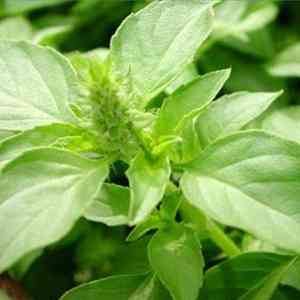
Wild basil brings a special visual charm to any garden through its characteristic traits.
2
Incorporating Wild basil into your garden supports ecological balance.
3
Wild basil functions as a superb natural boundary and improves diverse plant groupings.
Why Incorporate Wild Basil into Your Garden?
Enhancing Visual Appeal with Wild Basil's Distinctive Characteristics
Introducing Wild Basil to your garden adds a touch of floral sophistication with a twist. This plant is recognized for its unique leaf patterns and aromatic blossoms, which can brighten various garden areas. Whether bordering a path or enriching a flower bed, Wild Basil integrates smoothly, offering a natural beauty that complements other garden elements. Its vibrant green foliage and delicate flowers can serve as a focal point or a subtle background, depending on the arrangement. Furthermore, it adapts to diverse garden styles, from classic layouts to contemporary designs, providing versatility in aesthetic applications.
Ecological Advantages: The Sustainability of Wild Basil
Beyond its beauty, Wild Basil is a champion of garden sustainability. Its inherent pest resistance reduces the need for chemical interventions, making it a safer environmental choice. Moreover, Wild Basil often requires less water than other ornamental plants, contributing to water conservation efforts. By selecting Wild Basil, you support biodiversity, as it attracts beneficial insects like bees and butterflies, improving ecosystem health. Its robust nature also means it can thrive in varied conditions, lessening the need for frequent replacements and continuous upkeep.
Creative Landscaping Concepts Utilizing Wild Basil
Forming Natural Boundaries and Edges with Wild Basil
One innovative approach to using Wild Basil in your landscape design is to create natural borders and edges. Its compact growth habit makes it perfect for lining pathways, garden beds, and property perimeters. This not only adds structure but also a visual charm that softens hardscapes. Wild Basil's vivid green and occasional floral accents create inviting, appealing borders that pleasantly guide the eye through the garden. Additionally, its resilience ensures these borders remain lush and well-defined throughout the growing season with minimal maintenance.
Integrating Wild Basil into Diverse Plant Groupings
Another method to maximize Wild Basil's beauty is by incorporating it into mixed plant arrangements. Whether in mixed borders, container gardens, or as part of a perennial blend, Wild Basil blends well with various plants, adding texture and variety. Its capacity to coexist with a range of species makes it a versatile component in creating multi-layered landscapes. For instance, pair Wild Basil with taller, more robust plants to create depth, or use it as an underplanting for shrubs and small trees. This not only boosts visual interest but also fosters a healthier garden ecosystem by improving soil and providing habitat diversity.
Care Guidelines for Wild Basil in Outdoor Settings
Optimal Soil Conditions for Robust Wild Basil Development
To ensure Wild Basil flourishes in your garden, paying attention to soil conditions is essential. This plant prefers well-draining soil with a neutral to slightly acidic pH. Preparing the soil by adding organic matter, such as compost, can enhance its fertility and structure, promoting vigorous growth. While Wild Basil is quite adaptable, maintaining consistent soil conditions can help prevent issues and encourage more abundant blooming. It's also advisable to conduct a soil test before planting Wild Basil to adjust pH and nutrient levels accordingly, establishing a strong foundation for healthy development.
Understanding Wild Basil's Watering Requirements
Watering is another crucial aspect of maintaining healthy Wild Basil in your landscape. While this plant is relatively drought-tolerant, especially once established, it performs best with regular watering during dry periods. Aim to keep the soil consistently moist but not waterlogged. Overwatering can lead to root rot, so it's vital to allow the soil to dry out slightly between watering sessions. During the active growth season, occasional deep watering can encourage deeper root growth, enhancing the plantâs resilience. Mulching around the base of Wild Basil can also help retain moisture and suppress weeds, benefiting overall plant health.
Safeguarding Wild Basil from Common Pests and Problems
Identifying Typical Pests and Effective Control Measures
Even though Wild Basil is relatively pest-resistant, vigilance is still important. Common pests like aphids, spider mites, and whiteflies might occasionally appear. Early detection is crucial for effective management. Regularly inspecting your plants and employing natural pest control methods, such as neem oil or introducing beneficial insects, can manage infestations. Avoiding excessive fertilization, which can make Wild Basil more appealing to pests, is also prudent. Should pest issues become severe, carefully chosen organic insecticides can offer a more direct solution while minimizing environmental impact.
Disease Prevention: Maintaining Wild Basil's Health
Preventing disease in Wild Basil involves proactive garden management. Ensure adequate air circulation around your plants to reduce the risk of fungal diseases. Prune regularly to remove any dead or diseased foliage, which can harbor pathogens. Watering at the base rather than overhead can prevent excess moisture on leaves, a common cause of fungal growth. Additionally, rotating planting locations annually can break the life cycle of soil-borne diseases. By maintaining a clean garden environment and practicing consistent care, you can keep your Wild Basil healthy and thriving throughout the season.



