Enhancing Your Garden Design with the Rambutan Plant: A Landscaping Guide
1
Rambutan flourishes best in areas receiving ample sunlight to some shade.
2
Rambutan needs soil that drains effectively to avoid root decay and encourage robust growth.
3
Consistent trimming and periodic pruning are crucial for preserving Rambutan's beauty and vitality.
Appreciating Rambutan's Aesthetic Qualities
Emphasize Rambutan's distinct color and texture
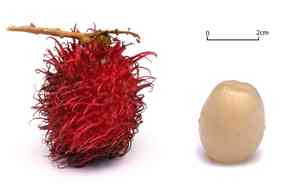
A key allure of Rambutan is its striking look. The fruit's vivid, spiky outer skin, varying from red to green, offers a singular, tactile appearance that can serve as a garden's focal point. This remarkable texture imparts an exotic touch, making Rambutan stand out among other flora. Furthermore, its glossy green leaves contribute a lush, tropical feel, boosting its overall visual charm.
Discuss Rambutan's seasonal visual transformations
Rambutan's appearance shifts with the seasons, adding dynamic visual interest to your outdoor space. During bloom time, small, delicate blossoms emerge, creating subtle beauty. As seasons progress, these flowers yield to fruit, which changes colors as it ripens. These transitions provide a continuously evolving display, ensuring your garden remains vibrant and lively throughout the year.
Explain Rambutan's compatibility with other garden plants
Rambutan integrates smoothly into diverse garden settings due to its adaptable aesthetic traits. Its abundant foliage can offer a striking contrast to plants with lighter or more muted hues, enriching the garden's overall color scheme. Moreover, Rambutan's unique texture and vibrant fruit complement other exotic plants, fostering a harmonious and varied landscape that is both visually appealing and captivating.
Selecting the Ideal Location for Rambutan in Your Garden
Guidance on Rambutan's sunlight and shade needs
Rambutan flourishes in areas receiving ample sunlight for most of the day but can also endure partial shade. For peak growth and yield, position Rambutan where it gets at least 6-8 hours of direct sun daily. Excessive shade can impede its development and reduce fruit production, so finding the right light balance is crucial.
Preferred soil types and topography for Rambutan
Rambutan favors well-draining soil rich in organic matter. Avoid spots where water tends to collect, as too much moisture can lead to root rot. Incorporating compost or other organic material can enhance soil fertility and drainage, making it more suitable for Rambutan's growth. Additionally, a slightly elevated area or gentle slope can aid proper drainage.
Space considerations: How much room does Rambutan require to flourish?
When planting Rambutan, consider its mature size to ensure ample room for growth without overcrowding other plants. Rambutan can become quite wide, so it's advisable to plant it at least 10 to 15 feet away from other trees or large shrubs. Sufficient spacing allows for proper air circulation and sun exposure, both vital for healthy development.
Integrating Rambutan into Various Landscape Designs
How Rambutan fits into minimalist garden styles
Rambutan can be a stunning addition to minimalist landscapes due to its striking and distinctive look. Its bold texture and dynamic color contrast beautifully with the simple, clean lines of minimalist design. Positioning Rambutan as a central feature or accent plant can create a powerful focal point without overwhelming the surrounding design's simplicity.
Utilizing Rambutan in tropical-themed gardens
Given its exotic appearance and tropical origins, Rambutan is a natural fit for tropical-themed gardens. Combine it with other tropical plants like banana trees, palms, or hibiscus to create a lush, vibrant environment reminiscent of a tropical paradise. Rambutan's unique characteristics contribute to the authenticity and immersive experience of a tropical garden setting.
Pairing Rambutan with water features or rock gardens
Rambutan can be beautifully incorporated into landscapes featuring water elements or rock gardens. The combination of Rambutan's vibrant foliage and fruit with the serene presence of water features like ponds or waterfalls creates a tranquil yet visually stimulating environment. Similarly, placing Rambutan near rock formations can highlight the contrast between its organic textures and the ruggedness of the rocks, enhancing the landscape's overall appeal.
Maintaining Appearance: Pruning and Shaping Rambutan
Basic pruning methods for Rambutan to boost visual impact
To preserve Rambutan's visual appeal, regular trimming is necessary. Start by removing any dead or diseased branches to keep the plant healthy. Shape Rambutan by cutting back overgrown branches, aiming for a balanced and attractive form. This also helps ensure sunlight can reach the canopy, promoting better growth and fruit yield.
Seasonal pruning advice for Rambutan
Pruning Rambutan at the correct time is crucial for its health and productivity. The ideal time to prune is during the dry season or late winter when the plant is dormant. This timing reduces stress on the plant and encourages vigorous new growth. Additionally, seasonal pruning helps manage Rambutan's size and shape, ensuring it remains a beautiful part of your landscape.
When and how often to prune Rambutan for optimal health and look
Trimming Rambutan should be done regularly to keep it healthy and aesthetically pleasing. Aim for light trimming every few months to manage unwanted growth and maintain its shape. More extensive pruning can be done annually or biannually, depending on the plant's growth rate and condition. Consistent trimming not only enhances Rambutan's appearance but also helps prevent potential issues such as disease or pest infestations.



