Enhancing Your Garden Design with the Nutmeg and mace Plant: A Landscaping Guide
1
Nutmeg and mace plants can act as a captivating centerpiece in any garden, providing continuous aesthetic appeal.
2
Selecting the appropriate site and substrate is vital for the thriving development of Nutmeg and mace.
3
Including Nutmeg and mace can aid in fostering ecological diversity by drawing in different beneficial insects.
Introducing Nutmeg and mace to Your Garden
Choosing The Right Location for Nutmeg and mace
When adding Nutmeg and mace to your garden, the initial step is selecting an ideal spot. Nutmeg and mace thrives in well-drained, fertile soil with ample sunlight. It's vital to ensure the location is protected from strong winds, which can harm the plant. Also, consider the mature size of Nutmeg and mace when picking a planting site to prevent overcrowding with other garden elements or plants.
Soil Requirements
Nutmeg and mace prefers slightly acidic to neutral soil, with a pH range of 5.5 to 7.0. The soil should be rich in organic matter, which helps retain moisture and supplies essential nutrients. Before planting, it's wise to conduct a soil test to determine if amendments are needed. Compost and well-rotted manure can be added to improve soil quality and ensure the plant's robust growth.
The Aesthetic Benefits of Nutmeg and mace
Visual Appeal Through the Seasons
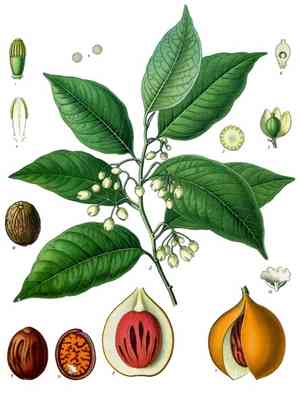
Nutmeg and mace offers a distinct visual charm that shifts with the seasons. In spring and summer, the plant showcases vibrant green foliage, while in autumn, its colorful fruits appear, creating a striking contrast. The evergreen nature of Nutmeg and mace ensures it provides attractive greenery even during winter. This year-round appeal makes Nutmeg and mace an excellent choice for creating a visually dynamic garden.
Combining Nutmeg and mace with Other Plants
Integrating Nutmeg and mace with other plants can elevate your garden's overall beauty. Pairing it with plants that have contrasting foliage colors or textures can create visually stimulating arrangements. For instance, the dark green leaves of Nutmeg and mace can be beautifully complemented by the silver-grey foliage of lavender or the bright blooms of marigolds. This combination not only enhances visual interest but also promotes a healthy garden ecosystem.
Practical Uses of Nutmeg and mace in Landscaping
Natural Shading and Wind Breaks
Nutmeg and mace can serve a practical purpose in your garden by providing natural shade and acting as a windbreak. Its dense foliage offers ample shade during hot summer days, making outdoor areas more comfortable. Furthermore, planting Nutmeg and mace as a windbreak can shield more delicate plants in your garden from harsh winds, thus maintaining a balanced microenvironment.
Encouraging Biodiversity with Nutmeg and mace
Including Nutmeg and mace in your garden can significantly boost biodiversity. The flowers of Nutmeg and mace attract pollinators such as bees and butterflies, while its fruits can serve as a food source for various bird species. This increased biodiversity can lead to a healthier and more resilient garden ecosystem. Additionally, a diverse garden can better resist pests and diseases, reducing the need for chemical interventions.
How to Integrate Nutmeg and mace with Modern Garden Features?
Outdoor Sitting Areas and Nutmeg and mace
Nutmeg and mace can be an excellent addition to outdoor sitting areas. Its canopy provides natural shade, creating a cozy and inviting atmosphere. Consider positioning seating arrangements underneath or near Nutmeg and mace to take advantage of its shade and aesthetic appeal. Adding some comfortable garden furniture can transform this space into a perfect spot for relaxation or entertaining guests.
Water Features and Nutmeg and mace
Integrating Nutmeg and mace with water features can enhance the tranquil ambiance of your garden. The reflective surfaces of water features such as ponds or fountains can accentuate the lush foliage of Nutmeg and mace, creating a serene and picturesque setting. Placing Nutmeg and mace near a water feature not only enhances the visual appeal but also helps maintain humidity around the plant, fostering its growth.



