Enhancing Your Garden Design with the Hardy banana Plant: A Landscaping Guide
1
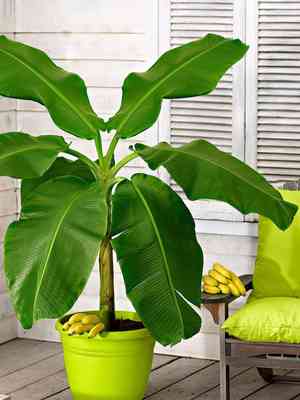
Musa basjoo offers a distinctive tropical aesthetic for cooler climate gardens.
2
They flourish in soil that drains effectively and receives sufficient moisture.
3
Combine Musa basjoo with brightly colored blooms to create a striking visual difference.
Introduction to Incorporating Hardy Bananas into Landscape Design
Why opt for Hardy bananas in your garden?
Choosing Hardy bananas for your garden provides numerous advantages that can improve the overall beauty and utility of your outdoor area. Hardy bananas are celebrated for their distinctive, exotic appearance, bringing a tropical feel to even cooler gardens. They not only offer a visual spectacle with their large, lush foliage but are also quite resilient, making them suitable for various climates. Furthermore, Hardy bananas can serve as excellent focal points or background elements in your landscaping, adding depth and dimension to transform any garden into an enchanting retreat.
The visual impact of Hardy bananas in garden design
A primary reason to integrate Hardy bananas into your landscape design is their striking visual appeal. The sheer size and architectural form of their leaves capture attention and create a sense of abundant, tropical vibrancy. Their impressive stature can be utilized to introduce height and drama to your garden, and their vivid green hue complements a wide array of other plants. Hardy bananas also fit well into diverse design styles, from contemporary minimalist gardens to more traditional cottage gardens. Their dynamic presence can soften hardscapes, provide privacy, and establish stunning natural backdrops.
Choosing the Ideal Spot for Hardy Bananas
Understanding light and shade requirements
When selecting a site for your Hardy bananas, it's crucial to comprehend their light and shade needs. Hardy bananas generally flourish in full sun but can endure partial shade. However, for optimal growth and appearance, they should receive at least six hours of direct sunlight daily. Planted in excessive shade, Hardy bananas may not achieve their full growth potential, and their leaves might become prone to fungal problems. Therefore, selecting a location that balances sunlight and shade is vital for the long-term health and aesthetic charm of your Hardy bananas.
Considering soil conditions and drainage
Soil quality and water drainage are equally significant factors to consider when planting Hardy bananas. These plants prefer well-draining soil rich in organic matter. Poor drainage can lead to root rot and other moisture-related issues, so it's advisable to amend your soil with compost or other organic material to enhance its structure and fertility. Elevated beds or gently sloped areas can also improve drainage, ensuring your Hardy bananas are less likely to suffer from waterlogged conditions. Checking pH levels and ensuring slightly acidic to neutral soil can further optimize their development.
How to Plant Hardy Bananas in Your Landscape
Step-by-step guide for planting Hardy bananas
Planting Hardy bananas involves a few straightforward steps that, when executed correctly, can result in flourishing, eye-catching plants. First, dig a hole twice the width and the same depth as the root ball. Gently place the Hardy banana into the hole, ensuring the top of the root ball is level with the surrounding soil. Backfill the hole with a mixture of the excavated soil and compost, pressing it down to remove air pockets. Water the plant thoroughly to help settle the soil and eliminate any remaining air gaps. Finally, apply a layer of mulch around the base to retain moisture and suppress weeds.
Tips for spacing and arranging Hardy bananas
Appropriate spacing and grouping are essential for the healthy development of Hardy bananas and the overall beauty of your landscape. Given their potential size, leave ample space between each plant, typically around 1.5 to 2 meters, to allow their roots to spread and their leaves to unfurl without competition. Grouping Hardy bananas together can create a lush, dense canopy that enhances the tropical ambiance of your garden. However, be mindful of not overcrowding them, as this can lead to poor air circulation and increase the risk of diseases. Interspersing Hardy bananas with other compatible plants can add texture and color variety, creating a visually appealing landscape.
Integrating Hardy Bananas with Other Flora
Choosing companion plants for Hardy bananas
Selecting suitable companion plants for Hardy bananas can boost your garden's appeal and ensure a harmonious growing environment. Consider plants with contrasting colors and textures, such as vibrant flowering perennials like daylilies or cannas that can provide bursts of color against the green foliage of Hardy bananas. Groundcovers like hostas or ferns can offer a lush, green carpet beneath the towering Hardy bananas. Additionally, shrubs like hydrangeas can complement the height and form of Hardy bananas, adding depth and layers to your garden design.
Design concepts for mixed plantings
Integrated planting designs featuring Hardy bananas can offer a visually rich and diverse landscape. One concept is to establish a tropical-themed garden by combining Hardy bananas with other exotic plants such as bird of paradise or hibiscus. Alternatively, for a more structured look, intersperse Hardy bananas with geometric shrubs like boxwood or ornamental grasses that provide a textural contrast. Mixing flowering plants that bloom at different times of the year ensures year-round interest and highlights the Hardy bananas' distinct seasonal changes. Experiment with layering heights and varying bloom colors to achieve a dynamic and cohesive garden design.
Maintaining the Aesthetic Appeal of Hardy Bananas in Landscaping
Seasonal care advice for Hardy bananas
Proper seasonal care is crucial to preserve the beauty and health of Hardy bananas. During the active growth period, ensure consistent watering, especially in dry spells, to keep the soil uniformly moist. A balanced fertilizer applied in early spring can encourage vigorous growth. As autumn approaches, prepare your Hardy bananas for winter by mulching heavily around the base to shield the roots from cold temperatures. In colder climates, consider wrapping the stems in burlap or moving the plants indoors if feasible. Regularly pruning dead or damaged leaves helps to keep the plants looking their best throughout the year.
Addressing common issues
While Hardy bananas are relatively robust, they can encounter a few typical challenges. Fungal diseases such as leaf spot can be managed by ensuring good air circulation around the plants and avoiding overhead watering. Pests like aphids or spider mites can be controlled using insecticidal soap or neem oil. Regularly inspect your Hardy bananas for signs of stress or disease and act promptly to resolve any issues. Adequate spacing, proper watering, and annual soil health checks can prevent many common problems, ensuring your Hardy bananas remain a striking feature in your landscape.



