Enhancing Your Garden Design with the Wax myrtle Plant: A Landscaping Guide
1
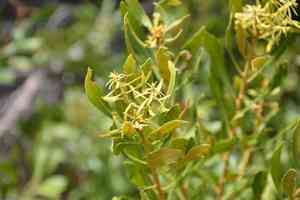
The wax myrtle is a adaptable, easy-to-care-for plant that fits well in various garden environments.
2
It offers continuous visual interest with leaves that remain vibrant across all seasons.
3
This plant serves well as a natural barrier, border, or base planting to improve landscape aesthetics.
Why Select Wax Myrtle for Your Garden?
Indigenous and adaptable: Perfect for diverse environments
A key benefit of choosing Wax Myrtle for your garden is its native and versatile character. This robust plant adapts well to various soil types, light conditions, and moisture levels, making it an excellent option for a wide range of landscaping projects. Whether you're aiming to enhance an urban garden, a suburban yard, or a rural retreat, Wax Myrtle integrates seamlessly into different settings, boosting the natural beauty of the area. Furthermore, as a native species, it offers the added advantage of supporting local wildlife by providing sustenance and shelter.
Minimal upkeep requirements: Ideal for busy gardeners
Another outstanding characteristic of Wax Myrtle is its minimal maintenance demands, making it a dream for active gardeners who may lack time for frequent care and upkeep. Wax Myrtle thrives with little intervention; it resists common pests and diseases and doesn't require regular trimming. This resilient plant can endure drought and poor soil conditions, reducing the need for constant watering and fertilization. With Wax Myrtle, you can achieve a lush, flourishing garden with minimal effort, allowing you to enjoy more time relaxing in your beautiful outdoor space.
Year-round visual appeal: Offers aesthetic charm across seasons
For those seeking to keep their garden vibrant throughout the year, Wax Myrtle provides remarkable year-round interest. Its evergreen foliage remains lush and attractive even during winter months, offering consistent greenery when other plants may have become dormant. This trait makes Wax Myrtle an excellent choice for establishing continuity and structure in your garden design. Moreover, the plant's berries and flowers add seasonal bursts of color, enhancing its visual appeal and making your landscape a dynamic and engaging space regardless of the time of year.
Design Concepts Utilizing Wax Myrtle
Crafting natural privacy barriers
Privacy is often a primary concern in landscape design, and Wax Myrtle serves as an ideal natural privacy screen. Its dense foliage creates an effective shield against noise, wind, and curious onlookers. By strategically planting Wax Myrtle, you can establish secluded garden rooms or cozy outdoor sanctuaries. The plant's ability to grow tall and thick ensures your privacy screen is both functional and visually pleasing, blending seamlessly with the surrounding landscape while offering tranquility and protection.
Integrating into borders and hedges
Wax Myrtle can also be effectively incorporated into borders and hedges. This adds structure and definition to your garden beds. When used as a border, Wax Myrtle can delineate pathways, garden edges, or define specific garden zones. Its uniform growth and dense foliage make it an excellent candidate for hedging, creating a neat, formal appearance. Whether you prefer a meticulously trimmed hedge or a more natural, flowing border, Wax Myrtle performs well in both designs, offering versatility and adaptability to suit your landscaping style.
Employing as foundational planting for landscape themes
In many garden designs, foundational plantings are crucial, and Wax Myrtle is perfect for this role. It provides a stable, green backdrop that enhances the color and form of other landscape elements. For instance, Wax Myrtle can anchor a cottage garden, support a modern minimalist design, or integrate into a wildlife-friendly habitat garden. By using Wax Myrtle as a foundational plant, you create a cohesive and balanced landscape theme, elevating the overall aesthetic of your garden space.
Combining Wax Myrtle with Other Plants
Companion planting recommendations
To create a harmonious and diverse garden, consider companion planting Wax Myrtle with other species. It pairs well with grasses, perennials, and other shrubs, providing a rich tapestry of textures and colors. Plants like lavender, rosemary, and salvia can complement Wax Myrtle's foliage and enhance its beauty. These companions not only add variety but also attract beneficial insects, fostering a healthy ecosystem in your garden.
Tips for color and texture contrast
Achieving an appealing garden often involves balancing color and texture, and Wax Myrtle plays a vital role here. Its glossy leaves offer a wonderful contrast to the softer, finer foliage of plants like ferns and ornamental grasses. Additionally, its evergreen quality can highlight the seasonal changes of annuals and perennials. Using Wax Myrtle alongside plants with vibrant flowers or variegated leaves can create eye-catching contrasts, making your garden visually engaging throughout the year.
Balancing Wax Myrtle heights and scales in design
When designing your garden with Wax Myrtle, consider the heights and scales of surrounding plants to achieve a balanced composition. Wax Myrtle can be planted in both lower and taller varieties, fitting well into multi-layered planting schemes. Position taller varieties at the back of borders or as background plants, while shorter versions can be placed at the front or used in mass plantings. This layering technique adds depth and dimension to your garden, ensuring that all elements work together harmoniously.
Long-Term Landscape Planning with Wax Myrtle
Understanding growth patterns and spatial requirements
Planning for the long-term success of your garden involves understanding the growth patterns and spatial needs of Wax Myrtle. This plant is known for its consistent growth and can reach considerable heights and widths. Incorporating this knowledge into your design plans ensures that Wax Myrtle has ample space to thrive without overcrowding other plants. Proper spacing will reduce competition for resources and allow each plant to flourish, creating a balanced and healthy landscape over time.
Seasonal preparation advice
Seasonal preparation is crucial for maintaining the vitality of your garden, and Wax Myrtle requires some attention throughout the year. Although it is low-maintenance, preparing for seasonal changes can enhance its health and appearance. In spring, apply a slow-release fertilizer to encourage new growth. During dry periods, supplement irrigation if necessary, and in autumn, remove any fallen leaves or debris to prevent disease. These simple steps ensure that Wax Myrtle continues to enhance your landscape, regardless of the season.
Sustainability considerations
Sustainability is increasingly important in gardening, and using Wax Myrtle can contribute to eco-friendly landscape practices. Its low water and fertilizer needs make it an environmentally conscious choice. Additionally, as a native plant, it supports local biodiversity and creates a habitat for native wildlife. By incorporating Wax Myrtle into your garden, you're not only enhancing your landscape but also contributing to the health of the broader ecosystem. Sustainable gardening practices ensure that your garden thrives in harmony with nature.



