Enhancing Your Garden Design with the Scarlet beebalm Plant: A Landscaping Guide
1
Scarlet beebalm flourishes in direct sunlight, ideal for luminous garden areas.
2
The vibrant crimson blossoms of Scarlet beebalm draw in bees, hummingbirds, and various pollinators.
3
Well-draining, fertile soil is essential for Scarlet beebalm's best development.
Introducing Scarlet Beebalm to Your Outdoor Space
Visual Appeal: Explore the Rich Hues and Textures of Scarlet Beebalm
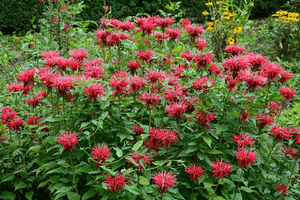
The vivid and striking blossoms of Scarlet beebalm make an excellent addition to any garden. This plant is renowned for its deep, scarlet flowers that inject a burst of color, transforming your garden into a vibrant, picturesque setting. Beyond the intense red shade, the flowers' tubular form and textured petals add depth and intrigue. The dense flower clusters are not only beautiful; they also contribute to a layered and dynamic garden aesthetic. As the season progresses, Scarlet beebalm's foliage shifts to a warm amber, extending its visual charm.
Height and Structure: How Scarlet Beebalm Adds Dimension
Scarlet beebalm can reach a height of 3-4 feet, making it a prominent vertical element in your landscaping. This stature can serve as an excellent backdrop for shorter plants and help create layers within your garden, imparting a sense of depth and fullness. The plant's sturdy stem effectively supports its blooms, ensuring they stand tall and capture attention. Furthermore, using Scarlet beebalm as a centerpiece or in grouped arrangements can define garden areas and establish focal points that guide the eye through the landscape.
Selecting the Ideal Location for Scarlet Beebalm
Sunlight Requirements: Optimizing Growth and Bloom
Scarlet beebalm flourishes in full sunlight, needing at least 6-8 hours of direct sun daily. Placing Scarlet beebalm in a bright area of your garden ensures it receives the necessary light for abundant blooming and vigorous growth. If your garden has spots that get both morning and afternoon sun, these locations are perfect. While Scarlet beebalm can endure partial shade, insufficient light might lead to fewer and less vibrant flowers, diminishing its aesthetic contribution to your garden.
Soil Conditions: Preparing the Perfect Environment
To create an optimal growing environment for Scarlet beebalm, prioritize well-draining soil. The plant prefers a loamy soil rich in organic matter. Before planting, consider enriching your garden soil with compost or aged manure to enhance its fertility and structure. Ensure the soil remains moist but not waterlogged, as excessive moisture can cause root rot. Perform a soil pH test; Scarlet beebalm prefers slightly acidic to neutral pH levels (6.0-7.0). Adjust the soil composition accordingly to establish the best conditions for Scarlet beebalm's development.
Companion Planting with Scarlet Beebalm
Boosting Biodiversity: Complementary Plant Selections
Pairing Scarlet beebalm with other pollinator-friendly plants can significantly enhance garden biodiversity. Plants such as coneflowers, black-eyed Susans, and salvia complement Scarlet beebalm not only visually but also functionally by attracting various pollinators. This synergy helps foster a healthier and more balanced ecosystem in your garden. Companion planting with Scarlet beebalm also naturally deters pests, reducing the need for chemical interventions while promoting a flourishing, biodiverse environment.
Designing Patterns: Strategies for Harmonious Plant Groupings
For a cohesive garden design, consider how Scarlet beebalm integrates into your overall planting schemes. Massing Scarlet beebalm in clusters creates a sweep of color and can serve as a unifying element. Alternatively, interspersing Scarlet beebalm with plants of contrasting heights and textures can produce a more dynamic and layered appearance. Utilize Scarlet beebalm's height to establish background layers, while shorter companion plants form the middle and ground layers. This approach not only boosts visual interest but also supports an organized and aesthetically pleasing garden structure.
Seasonal Considerations for Scarlet Beebalm
Bloom Cycles: Planning for Continuous Color
Understanding Scarlet beebalm's bloom cycle is vital for maintaining year-round garden appeal. Scarlet beebalm typically flowers from early to mid-summer, providing a burst of color during this period. To extend visual interest, consider planting perennials and annuals that bloom at different times. By coordinating the bloom times of various plants, you can ensure your garden remains colorful and engaging throughout all seasons. Removing spent flowers (deadheading) of Scarlet beebalm encourages reblooming and prolongs its flowering period.
Maintaining Visual Interest Throughout the Seasons
Even when Scarlet beebalm is not in bloom, its foliage and structure can contribute to your garden's visual charm. In the fall, Scarlet beebalm's green leaves transform into a warm yellow-orange, adding seasonal interest. During winter, leaving the stems and seed heads intact can provide texture and serve as a food source for birds. By planning for and appreciating these seasonal changes, you can create a garden that remains attractive and ecologically valuable throughout the year.
Environmental Benefits of Scarlet Beebalm in Landscaping
Attracting Pollinators: Fostering a Thriving Ecosystem
Scarlet beebalm plays a significant role in drawing pollinators like bees, butterflies, and hummingbirds to your garden. These pollinators are crucial for the health of your garden and the wider ecosystem. They help ensure the reproduction of many plants, including Scarlet beebalm, thereby supporting biodiversity. By planting Scarlet beebalm, you are contributing to a flourishing and dynamic garden ecosystem, which benefits your plants and the local wildlife.
Improving Air Quality: How Scarlet Beebalm Contributes to a Healthier Environment
Plants like Scarlet beebalm contribute to enhanced air quality by absorbing pollutants and releasing oxygen. Incorporating Scarlet beebalm into your landscape can boost your garden's environmental impact, making it a healthier space for you and your family. The greenery helps filter the air, reducing levels of carbon dioxide and airborne toxins. This process not only supports your immediate environment but also contributes to the global effort to combat air pollution and climate change.



