Enhancing Your Garden Design with the Giant honey flower Plant: A Landscaping Guide
1
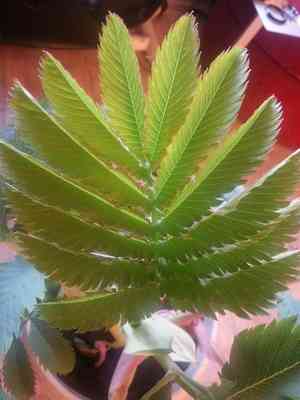
Giant honey flower features distinctive leaves that significantly boost your garden's aesthetic charm.
2
Strategic positioning of Giant honey flower is vital for optimizing its ornamental effect in your outdoor space.
3
Giant honey flower makes an excellent centerpiece, providing form and elevation to your garden design.
Introducing Giant honey flower to Your Landscape
Understanding the Visual Impact of Giant honey flower
A key characteristic of Giant honey flower is its striking and dramatic look. This plant is recognized for its large, toothed leaves that provide a lush, exotic aesthetic. Its presence can instantly enhance any garden area, transforming an ordinary space into a lively focal point. Incorporating Giant honey flower into your garden design means embracing a plant that demands attention and adds an element of sophistication.
Best Placement for Giant honey flower in Garden Layouts
Giant honey flower thrives when positioned where its magnificent leaves can be fully appreciated. Ideally, situate it where it receives morning sun and partial afternoon shade. This placement not only supports its health but also ensures its impressive foliage is highlighted throughout the day. Avoid crowding; a single Giant honey flower or a thoughtful cluster can prevent overshadowing other plants, maintaining a balanced garden appearance.
Complementary Plants for Giant honey flower
Selecting companion plants for Giant honey flower involves choosing species that emphasize its unique qualities without competing for attention. Consider pairing it with groundcovers or low-growing perennials that contrast with its height and leaf structure. Plants with delicate blooms or airy foliage can create a dynamic visual balance, improving the overall aesthetic while allowing Giant honey flower to remain the garden's star.
Maximizing Color and Texture
Exploring the Unique Foliage of Giant honey flower
The leaves of Giant honey flower are a prominent feature that adds depth and tactile interest to your landscape. Its large, lobed leaves are not only visually appealing but also engaging to touch, introducing a sensory dimension to your garden. This abundant greenery can offer a stark contrast to plants with smaller, finer leaves, enriching the textural diversity in your garden.
Seasonal Color Changes with Giant honey flower
Giant honey flower provides seasonal interest through its changing colors throughout the year. During the active growth period, its leaves are a vibrant green, offering a fresh and lively backdrop to your garden. As the season progresses, you may observe subtle shifts in hue that add a dynamic element to your garden's color scheme. These transformations help keep your garden looking engaging and vibrant year-round.
Structural Impact of Giant honey flower in Gardens
Height and Spread Considerations
Giant honey flower is known for its considerable height and spread, making it an ideal candidate for adding structure to your garden. When fully mature, it can reach impressive dimensions, creating a towering presence that can serve as a natural divider or backdrop. Understanding its growth habit aids in planning your garden layout, ensuring it has ample room to flourish without overwhelming nearby plants.
Creating Focal Points with Giant honey flower
Due to its striking appearance, Giant honey flower is an excellent choice for establishing focal points in your garden. Placing it strategically in a prominent location, such as the center of a garden bed or near an entrance, can draw the eye and emphasize specific areas of your landscape. Its bold foliage can act as a dramatic centerpiece, making your garden more visually appealing and cohesive.
Seasonal and Long-Term Planning
When to Plant Giant honey flower for Optimal Growth
Timing is critical when planting Giant honey flower. The ideal time to plant it is in the spring, following the last frost. This ensures it has the entire growing season to establish a robust root system and develop its spectacular foliage. Planting in well-draining soil and providing sufficient water during its establishment phase will promote healthy growth and longevity.
Longevity and Life Cycle of Giant honey flower
Giant honey flower is a resilient and long-lived plant, often thriving for many years with proper care. Its life cycle includes periods of rapid growth, followed by maintenance phases requiring less intensive attention. Understanding its needs throughout the year, such as regular pruning and fertilizing, can help you maintain a beautiful and healthy plant that continues to enhance your garden for an extended period.



