Enhancing Your Garden Design with the Ostrich fern Plant: A Landscaping Guide
1
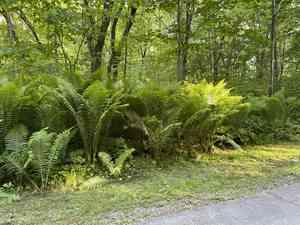
The ostrich fern flourishes in low-light environments, offering flexibility for diverse garden placements.
2
Once rooted, it demands little upkeep, ideal for individuals with limited time.
3
This fern species can serve as an organic barrier, offering seclusion and visual appeal.
Introducing Ostrich Fern to Your Garden
Why Choose Ostrich Fern for Landscaping?
If you're looking to add a distinctive and visually appealing element to your garden, Ostrich fern could be the ideal selection. Ostrich fern is celebrated for its abundant, feathery fronds, which can instill a sense of calm and natural beauty in any area. The plant possesses an ancient appearance that can enhance a natural woodland feel in your garden. Furthermore, it's recognized for being exceptionally robust and adaptable, flourishing in diverse climates and conditions.
Ideal Locations for Planting Ostrich Fern
When deciding where to cultivate Ostrich fern, it's crucial to consider its natural habitatâcool, shaded environments near water sources. Consequently, it thrives in dim, moist conditions, making it an excellent option for shaded garden corners or beneath dense tree canopies. Placing Ostrich fern along your property's northern side or in spots where sunlight is filtered by taller plants can help replicate its optimal growing conditions. Another consideration is utilizing it in hard-to-maintain areas, as its thick fronds can quickly cover barren, shady ground.
Design Ideas with Ostrich Fern
Creating Serene Shade Areas
One of the best applications of Ostrich fern in your landscape is to establish tranquil shaded zones that evoke peace and relaxation. Planting Ostrich fern under trees or along shady pathways provides a lush, green backdrop that encourages you to pause and enjoy the cool, calm atmosphere. The plant's tall, arching fronds can also form a canopy effect, creating a cozy nook in your garden. These spaces can become perfect spots for a bench or a hammock, offering a comfortable escape from the sun on warm days.
Borders and Natural Fences
Another excellent method to integrate Ostrich fern into your landscape design is by employing it as a natural border or barrier. Its dense and tall-growing fronds create an effective natural screen, offering privacy without the need for artificial structures. Consider planting Ostrich fern along garden edges to define boundaries or line walkways with its feathery foliage. This can add both utility and aesthetic charm to your landscape, seamlessly blending with other natural elements and creating a unified appearance.
Companion Plants That Complement Ostrich Fern
Ostrich fern pairs beautifully with various other plants, enhancing its visual appeal and fostering a more diverse garden ecosystem. Consider combining Ostrich fern with ground covers like hostas or astilbes, which thrive in similar conditions and provide contrasting textures and colors. Additionally, the rich greens of Ostrich fern can offer a striking backdrop for flowering plants such as bleeding hearts or trilliums. Mixing it with other shade-loving plants can deepen the visual interest of your garden, creating a layered and dynamic landscape.
Maintaining Ostrich Fern in Your Landscape
Seasonal Care Tips
Maintaining Ostrich fern involves a few straightforward seasonal care practices to ensure its health and vibrancy. In spring, clear away any old fronds and debris around the plant to encourage new growth. Watering is crucial, especially during dry periods, as Ostrich fern prefers consistently moist soil. In autumn, consider adding a layer of mulch around the base to help retain moisture and shield roots from extreme cold. These minor steps can help your Ostrich fern flourish and bring lush greenery to your garden year after year.
Managing Growth and Spread
Ostrich fern is known for its rapid spread via rhizomes, making it essential to manage its growth to prevent it from dominating your garden. Regularly checking for and trimming new shoots can help keep it confined to its designated area. If you find Ostrich fern spreading too aggressively, consider installing underground barriers to restrict its rhizome expansion. Dividing the plants every few years can also help control their size and spread, while providing you with new plants to share or expand your garden.
Benefits of Including Ostrich Fern in Your Outdoor Space
Environmental Advantages
Incorporating Ostrich fern into your garden offers several environmental benefits. Its dense foliage provides excellent ground cover, which can help reduce soil erosion and retain moisture in the soil. Moreover, Ostrich fern can enhance the biodiversity of your garden space by providing habitat and shelter for various beneficial insects and birds. This contributes to a healthier and more resilient garden ecosystem.
Aesthetic Contributions
Aesthetically, Ostrich fern brings a lush, green elegance to any landscape design. Its tall, arching fronds create visual interest and add a sense of movement to the garden. The plant's unique texture contrasts well with other garden plants, making it an eye-catching feature in any setting. Whether used as a focal point, a backdrop, or a border, Ostrich fern can elevate the overall aesthetic appeal of your outdoor space, transforming it into a serene and inviting oasis.



