Enhancing Your Garden Design with the Arrowroot Plant: A Landscaping Guide
1
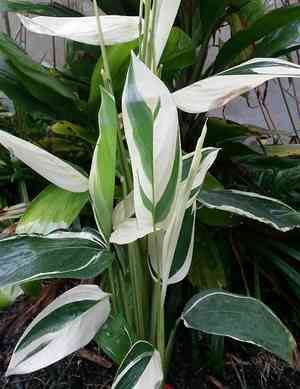
Arrowroot is prized for its distinct textural qualities, enhancing the richness and appeal of any garden.
2
Arrowroot's adaptability enables its use as both a central feature and a complementary plant.
3
Arrowroot needs soil that drains well and moderate irrigation to flourish.
Grasping Arrowroot's Contribution to Garden Visuals
Emphasizing Arrowroot's Distinctive Textural Qualities
Arrowroot significantly impacts garden aesthetics through its unique texture. Its leaves are broad and prominently veined, forming an engaging visual component that distinguishes it from other plants. This texture is particularly effective when grouped, where the repetitive leaf pattern fosters a unified appearance. Furthermore, Arrowroot's texture offers a beautiful contrast when positioned alongside plants with finer foliage, enriching your garden's depth and visual appeal.
Color Scheme Considerations with Arrowroot
When designing your garden, the color scheme is vital, and Arrowroot plays a key role. The vivid green of Arrowroot's leaves complements various color palettes, whether you prefer a single-color green garden or a more diverse array with bright blooms. Pairing Arrowroot with colorful flowers creates a striking contrast, while combining it with other green plants achieves a calm and unified look. Understand how Arrowroot's color subtly shifts in different lighting to leverage it for dynamic visuals.
Arrowroot's Seasonal Visual Impact
A unique aspect of Arrowroot is its year-round attractiveness. Unlike many plants that only flourish seasonally, Arrowroot maintains an appealing look throughout the year. During its active growth period, its abundant foliage thrives, offering a dense, green backdrop. In colder months, while other plants recede, Arrowroot remains vibrant and appealing, ensuring your landscape stays lively even off-season. Placing Arrowroot in key garden areas guarantees continuous visual interest regardless of the time of year.
Optimal Placement of Arrowroot in Landscape Design
Front Yard vs. Backyard: Where Arrowroot Flourishes Best?
The ideal placement for Arrowroot largely depends on your garden's specific conditions. Arrowroot thrives in partial shade to full sun, making it adaptable to both front and backyard settings. In the front yard, it can serve as an inviting element, lining paths or forming lush borders. In the backyard, it functions as an effective filler, enhancing greenery without dominating other features. Observing your garden's sunlight patterns will help pinpoint the best spot for Arrowroot to thrive.
Utilizing Arrowroot as a Focal Point or Background Plant
Arrowroot is incredibly versatile, serving as either a focal point or a background plant based on your design needs. As a focal point, its lush foliage draws attention and can anchor a garden section. Positioning it in a prominent corner or central bed makes it a standout feature. Conversely, as a background plant, Arrowroot provides a lovely, consistent backdrop, allowing more colorful or delicate plants to shine in the foreground. Its adaptability makes it a valuable addition to diverse planting schemes.
Companion Planting with Arrowroot
Companion planting with Arrowroot can boost your garden's health and beauty. Pairing Arrowroot with plants that have compatible needs and appearances fosters a harmonious garden environment. For instance, plants that prefer similar watering schedules and soil conditions, such as ferns or hostas, make excellent companions. Additionally, selecting companions with contrasting foliage colors or textures can further highlight Arrowroot's unique characteristics, creating a balanced and dynamic landscape.
Practical Advice for Integrating Arrowroot into Existing Landscapes
Modifying Soil Composition for Arrowroot
For Arrowroot to flourish, ensuring proper soil conditions is essential. It prefers well-drained, slightly acidic to neutral soil. If your garden soil is heavy or clay-like, consider enriching it with organic matter like compost or peat moss to improve drainage. Testing your soil's pH and adjusting it accordingly can also enhance Arrowroot's growth. Regular application of organic fertilizers helps maintain its health and vigor.
Watering Requirements for Robust Arrowroot Growth
Watering is vital for maintaining Arrowroot's health. This plant prefers moderate moisture, so the soil should remain consistently damp but not waterlogged. Overwatering can lead to root rot, while insufficient watering can cause leaves to wilt and stress the plant. A good practice is to water Arrowroot deeply and allow the top inch of soil to dry before the next watering. Mulching around the base helps retain moisture and keeps roots cool.
Managing Sunlight Exposure for Arrowroot
Arrowroot adapts to various light conditions, but for optimal growth, it favors partial shade to full sun. In areas with intense afternoon sun, providing some shade can prevent leaf scorching. If grown in full shade, Arrowroot might become leggy as it seeks light, so aim for balanced exposure. Planting Arrowroot under the filtered light of taller trees or using garden structures for shade can create an ideal environment for its prosperity.
Creative Concepts for Arrowroot in Landscaping Projects
Designing Arrowroot-Themed Garden Pathways
Using Arrowroot to border garden paths creates a lush, inviting walkway. Its dense foliage provides a soft edge that guides visitors through your garden. For a unified look, repeat Arrowroot at intervals along the path, ensuring a consistent appearance. Additionally, consider combining Arrowroot with stepping stones or gravel to add texture and contrast, enhancing the overall aesthetic of your garden paths.
Innovative Applications of Arrowroot in Vertical Gardens
Arrowroot can be an excellent addition to vertical gardens, offering vibrant greenery and unique textural elements. Plant Arrowroot in hanging baskets or vertical planters to conserve ground space while adding visual interest to walls or fences. Its cascading leaves can soften harsh edges and introduce a natural touch to urban areas or small gardens with limited horizontal space.
Incorporating Arrowroot into Water Features
Integrating Arrowroot around water features can enhance your garden's tranquility and natural feel. Plant Arrowroot near ponds, fountains, or streams to complement the water's reflective surface with its lush foliage. Arrowroot's moisture-loving nature makes it an ideal candidate for areas with higher humidity, ensuring it remains healthy and vibrant. The combination of water and greenery creates a serene, peaceful environment in your landscape.



