Enhancing Your Garden Design with the Garlic vine Plant: A Landscaping Guide
1
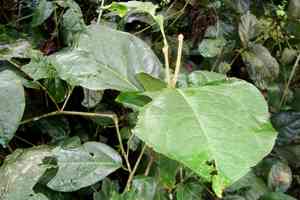
Garlic vine is recognized for its impressive flowers and a scent reminiscent of garlic, which can beautify any garden setting.
2
Garlic vine complements other colorful and easy-to-care-for plants, making it adaptable for diverse garden layouts.
3
Consistent care for Garlic vine includes routine trimming and monitoring seasonal shifts to ensure peak development.
Introducing Garlic Vine to Your Landscape
An overview of Garlic vine as a landscaping option
Garlic vine is a favored selection for gardeners and landscape designers due to its appealing, trumpet-shaped blossoms, typically in vivid pink or purple hues. The plant's distinct garlic-like scent adds an aromatic dimension to your garden, making it not only visually pleasing but also wonderfully fragrant. This blend of visual and olfactory charm makes Garlic vine an excellent addition to any garden setting. It's also a adaptable plant that can flourish in various conditions, from full sun to partial shade, suiting diverse garden layouts and designs.
Advantages of integrating Garlic vine into your garden
Incorporating Garlic vine into your garden offers numerous benefits beyond its aesthetic appeal and aroma. It attracts pollinators, such as bees and butterflies, which are vital for a healthy garden ecosystem. The plant's growth habit, whether climbing or as a bush, provides flexibility in its application within landscape design. Furthermore, Garlic vine requires relatively little upkeep, making it perfect for both new and experienced gardeners. Its capacity to thrive in various soil types and its pest resistance further enhance its desirability as a garden and landscape plant.
Designing Your Outdoor Space with Garlic Vine
Optimal placement for Garlic vine to maximize visual impact
To enhance Garlic vine's visual appeal, consider planting it where its vibrant flowers can be easily seen, such as near entryways, along paths, or against walls. It can also serve as a striking focal point in your landscape design when planted in groups or as a solitary specimen in garden beds. Its climbing nature makes it ideal for trellises, arbors, and fences, adding vertical interest and colorful accents to your garden. Ensure it receives ample sunlight, as this will boost its blooming potential and overall vitality.
Companion plants and flowers to pair with Garlic vine
Creating a cohesive garden design involves selecting companion plants that complement Garlic vine's beauty while offering contrast and diversity. Consider pairing Garlic vine with plants that have different textures and forms, such as ornamental grasses, ferns, or shrubs with variegated foliage. Flowering plants with complementary or contrasting colors, such as white, blue, or yellow blooms, can create striking visual effects. Additionally, choosing plants with similar light, water, and soil needs will ensure a harmonious and flourishing garden environment.
Seasonal Care for Garlic Vine
Spring and summer care for Garlic vine
Spring and summer are peak growing seasons for Garlic vine, making proper care and maintenance crucial during these months. Consistent watering, especially during dry spells, will support robust growth and abundant blooms. Fertilize the plant with a balanced, slow-release fertilizer in early spring to promote vigor. Lightly prune after the initial flowering to encourage a second bloom cycle and maintain its form. Additionally, monitor for pests and diseases, addressing any issues promptly to keep the plant in optimal health.
Preparing Garlic vine for colder weather
As temperatures drop in the fall, it's essential to prepare Garlic vine for the colder months to ensure its survival and health. Begin by reducing watering frequency as the plant enters dormancy. Prune back any dead or damaged growth to prevent fungal issues. In areas with mild winters, Garlic vine can typically withstand the colder months with minimal protection. However, in regions with harsh winters, consider applying a layer of mulch around the base of the plant to insulate the roots and protect them from freezing temperatures. You may also need to cover the plant or move it to a sheltered location if it's in a container.
Maintaining Garlic Vine in Your Garden
Routine upkeep and maintenance advice
Keeping Garlic vine healthy and vibrant involves a few straightforward maintenance tasks. Regular watering, especially during dry periods, is key to maintaining its lush appearance. Pruning should be done after each bloom cycle to shape the plant and encourage more flowers. Fertilizing with a balanced, slow-release fertilizer in spring will boost growth and blooming. Additionally, removing dead or diseased foliage promptly will help prevent the spread of pests and diseases. Monitoring the plant regularly ensures any issues are addressed early, keeping your Garlic vine in top condition.
Addressing common problems with Garlic vine
While Garlic vine is relatively hardy, it can encounter common garden problems such as pests, diseases, and environmental stresses. Aphids and spider mites are typical pests, which can be managed with insecticidal soap or neem oil. Fungal diseases like powdery mildew can be prevented with good airflow and by avoiding overhead watering. If soil drainage is a problem, improve it by adding organic matter or choosing a different planting site. Be vigilant about identifying and addressing issues early to keep your Garlic vine healthy and thriving.
Creative Uses for Garlic Vine
Innovative design concepts featuring Garlic vine
For a fresh take on traditional garden design, incorporate Garlic vine in unexpected ways. Use it to create living walls or vertical gardens by training it on trellises or wireframes. Plant it in large containers for mobile bursts of color that can be moved around your garden or patio. Consider combining it with herbs and vegetables in a mixed-use garden space to blend ornamental beauty with practicality. Its versatility allows for creative applications that can make your garden stand out.
Inspiring real-world examples of landscaped Garlic vine gardens
Draw inspiration from actual examples where Garlic vine has been used to stunning effect. Many public gardens and private landscapes feature this plant in decorative pergolas, creating shaded, flower-draped walkways. Some gardeners use Garlic vine to add vertical interest to small urban spaces, transforming bare walls into living tapestries of color. Additionally, Garlic vine is often seen enhancing traditional garden settings, lending its bold hues to formal flower beds and informal cottage gardens alike. These examples showcase the plant's adaptability and its ability to elevate various garden styles.



