Enhancing Your Garden Design with the Siberian crab apple Plant: A Landscaping Guide
1
The Siberian crab apple offers continuous aesthetic appeal throughout the year due to its evolving seasonal displays.
2
Position the Siberian crab apple in an area featuring soil that drains effectively to encourage peak development.
3
Combine the Siberian crab apple with other plants that complement it to improve the garden's overall aesthetic.
Introducing Siberian Crab Apple in Landscape Design
Overview of Siberian crab apple's attributes making it suitable for landscaping
The Siberian crab apple, commonly known as the Siberian crab apple, presents a variety of characteristics that render it an appealing option for landscape design. This robust tree flourishes in diverse climates, offering adaptability for various garden environments. Its compact stature and delicate, aromatic spring blossoms introduce vibrant color and a pleasant scent to your garden. Furthermore, the tree yields small, decorative fruits that persist through winter, providing distinct beauty even in colder months. With its resilient nature, the Siberian crab apple endures challenging conditions, offering durability while enhancing your landscape's visual appeal.
The aesthetic impact of Siberian crab apple on your garden or park
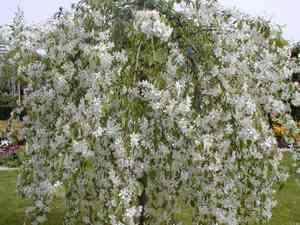
Integrating the Siberian crab apple into your garden or park can significantly boost its visual charm. During spring, its blooms create a stunning exhibition of white and pink flowers, capturing the attention of all who pass by. In autumn, the foliage transforms into a vivid blend of orange, red, and yellow, delivering a burst of color when many other plants are preparing for winter dormancy. The small crab apples add exotic red tones, forming a captivating contrast against the stark winter scenery. These seasonal shifts ensure that the Siberian crab apple consistently provides dynamic and evolving visual interest to your outdoor area.
Examples of successful landscape projects featuring Siberian crab apple
Numerous parks and private gardens demonstrate the effective incorporation of the Siberian crab apple into their aesthetic schemes. For instance, the Siberian crab apple tree is a frequent element in many botanical gardens, often utilized to craft breathtaking, multi-seasonal visual displays. In suburban settings, the Siberian crab apple is commonly planted alongside driveways or as a central feature in the yard, offering seasonal appeal and serving as a talking point. Some urban revitalization initiatives have also employed the Siberian crab apple within green spaces to add visual allure and ecological value, showcasing the tree's adaptability and charm in various contexts.
Selecting the Ideal Location for Siberian Crab Apple
Considerations for positioning Siberian crab apple
When deciding where to place your Siberian crab apple, several factors should be taken into account. First, assess the tree's mature dimensions and ensure ample room for its fully grown canopy without crowding nearby vegetation. Additionally, contemplate how the Siberian crab apple will integrate into the overall landscape design. Position it where its seasonal transformations can be fully appreciated, such as near walkways, patios, or window views. Furthermore, ensure the site offers protection from excessively strong winds, which can harm its delicate flowers and branches. Proper placement enhances the Siberian crab apple's growth and maximizes its visual impact.
How light exposure and shade influence Siberian crab apple's growth
The Siberian crab apple thrives best in locations that receive ample sunlight. It typically requires a minimum of six hours of direct sun daily to produce its vibrant blossoms and healthy fruits. While the Siberian crab apple can endure partial shade, excessive shading can lead to reduced flower and fruit production, diminishing its overall ornamental value. Therefore, select a spot where the tree will receive sufficient sunlight throughout the day. Remember, adequate sunlight not only enhances the Siberian crab apple's aesthetic but also promotes its vigorous growth and health, ensuring a lush, flourishing addition to your landscape.
Influence of soil composition on Siberian crab apple's development
The type of soil in which you plant your Siberian crab apple significantly impacts its development. For optimal growth, the Siberian crab apple prefers well-drained, loamy soils rich in organic matter. While it is relatively adaptable and can tolerate various soil types, including sandy and clay soils, poor drainage can result in root rot and other issues. To improve soil conditions, consider amending the planting site with compost or well-rotted manure to boost fertility and drainage. Regularly testing the soil pH and maintaining it within a range of 6.0 to 7.5 can also support the Siberian crab apple's robust growth and health.
Integrating Siberian Crab Apple with Other Plants
Creating harmonious plant combinations with Siberian crab apple
Crafting harmonious plant pairings is crucial for highlighting the Siberian crab apple's beauty within your landscape. Combine the Siberian crab apple with shrubs and perennials that complement its seasonal colors and forms. For instance, spring bulbs like tulips and daffodils can enhance the springtime floral display, while summer-blooming perennials such as daylilies and coneflowers can provide continuous color around the tree's base. Consider incorporating evergreen shrubs to offer contrasting textures and maintain visual interest throughout the year. The key is to select plants with similar soil and sunlight requirements to ensure a thriving, cohesive garden.
Avoiding common errors in plant arrangements
When incorporating the Siberian crab apple into your garden, steer clear of common mistakes that can detract from the overall design. A frequent error is overcrowding, which can lead to competition for nutrients, light, and water, ultimately hindering plant growth. Ensure adequate spacing between the Siberian crab apple and its companion plants. Additionally, avoid pairing the Siberian crab apple with plants that have vastly different moisture or sunlight needs, as this can create maintenance challenges and stress for the plants. Lastly, be mindful of the mature size of all plants involved to prevent future crowding and ensure a balanced, harmonious landscape.
Tips for layering vegetation with Siberian crab apple for visual depth
Layering vegetation around the Siberian crab apple can add aesthetic depth and enhance your landscape design. Begin by planting ground covers and low-growing perennials at the base of the Siberian crab apple to create a lush, green carpet. Next, incorporate medium-height plants such as ornamental grasses or small shrubs to build layers of varying heights. Finally, use taller shrubs or additional small trees in the background to frame the Siberian crab apple and provide a multi-tiered visual effect. This layering technique not only enhances visual appeal but also maximizes space utilization, creating a more dynamic and engaging garden.
Seasonal Considerations for Siberian Crab Apple
Optimal times for planting Siberian crab apple
The ideal period to plant the Siberian crab apple is during the dormant seasons of early spring or late fall. Planting during these times reduces stress on the tree, allowing it to establish its root system before the active growing season commences. Early spring planting capitalizes on the upcoming warmer weather, promoting quicker growth, while late fall planting enables the tree to focus on root development without the demands of leaf and flower production. Ensure the ground is not frozen or waterlogged when planting, as these conditions can impede root establishment and affect overall tree health.
How Siberian crab apple transforms throughout the year
The Siberian crab apple offers a captivating display of changes across the seasons, making it a striking feature in any landscape. In spring, it bursts into bloom with clusters of delicate white and pink flowers, filling the air with their pleasant fragrance. As the seasons progress into summer, the tree develops small, glossy green leaves that form a lush canopy. In autumn, the foliage transforms into a vibrant array of red, orange, and yellow hues, providing a stunning fall spectacle. Even in winter, the Siberian crab apple's small crab apples and bare branches add unique visual interest to the snow-covered landscape.
Preparing Siberian crab apple for diverse weather conditions
Proper preparation is vital for ensuring the Siberian crab apple thrives through varying weather conditions. In colder climates, consider mulching around the tree's base to insulate the roots and retain moisture. Regular watering during dry spells is essential, as prolonged drought can stress the tree and diminish its vigor. Protect young trees from harsh winds by using windbreaks or strategic planting locations. Pruning in late winter or early spring helps maintain tree health and shape, promoting robust growth. Being proactive in your care routine ensures that the Siberian crab apple remains a resilient and beautiful component of your landscape throughout the year.



