Enhancing Your Garden Design with the Stag's-horn clubmoss Plant: A Landscaping Guide
1
Stag's-horn clubmoss boosts your garden's ecological variety and aids diverse fauna.
2
Selecting the appropriate site is vital for Stag's-horn clubmoss's best development and well-being.
3
Incorporate Stag's-horn clubmoss alongside suitable flora to establish a harmonious and attractive garden.
Grasping the Function of Stag's-horn Clubmoss in Garden Design
Boosts biodiversity by supporting diverse wildlife
Incorporating Stag's-horn clubmoss into your garden is an excellent method to enhance its biological diversity. This distinct plant provides a home for various small creatures, from insects to birds, fostering a miniature ecosystem within your landscape. By supporting a range of wildlife, Stag's-horn clubmoss contributes to ecological equilibrium, promoting natural pest control and pollination.
Contributes to the overall health of your garden's ecosystem
Beyond its visual appeal, Stag's-horn clubmoss plays a vital role in the overall well-being of your garden's ecosystem. It aids in soil stabilization, preventing erosion and improving soil fertility. Its presence can also enhance microclimates, maintaining humidity levels beneficial for other plants and organisms.
Offers a unique aesthetic with its distinctive appearance
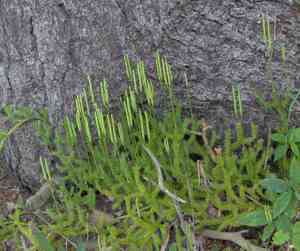
Stag's-horn clubmoss is renowned for its unique look, adding visual appeal to your landscape. Its distinct, feathery fronds can serve as a focal point or a subtle background, thus providing a versatile aesthetic. It complements various garden styles, from rustic to modern, making it a superb choice for creative landscaping.
Selecting the Optimal Spot for Stag's-horn Clubmoss in Your Garden
Identifying areas with suitable sunlight exposure
The initial step in choosing a location for Stag's-horn clubmoss is to pinpoint areas with the correct amount of sunlight. Stag's-horn clubmoss flourishes in partial to full shade, making it perfect for those challenging spots in your garden where other plants might struggle. Ensuring proper light conditions will support its growth and overall vitality.
Considering soil type and acidity
Soil composition and pH significantly impact Stag's-horn clubmoss's development. It prefers well-drained, slightly acidic soils, so it's crucial to test your soil's pH and texture before planting. If necessary, amend your soil with organic matter to create the ideal conditions for Stag's-horn clubmoss's roots to thrive.
Making use of natural landscapes for optimal growth
Utilizing the natural terrain can provide Stag's-horn clubmoss with the best conditions it needs to flourish. Consider areas near water features or forest-like environments within your garden, as these mimic its native habitat. Employing such spaces ensures that Stag's-horn clubmoss integrates seamlessly into your garden while promoting healthy development.
Integrating Stag's-horn Clubmoss with Other Plants
Selecting companion plants that thrive in similar conditions
Successfully integrating Stag's-horn clubmoss with other plants involves choosing companions that share similar growing requirements. Opt for shade-loving plants that also prefer well-drained, slightly acidic soil. Ferns, hostas, and heucheras are excellent companion plants that enhance Stag's-horn clubmoss's aesthetic and ecological benefits.
Avoiding invasive species that might compete with Stag's-horn clubmoss
It's vital to avoid planting invasive species near Stag's-horn clubmoss, as they might outcompete it for resources. Instead, choose native or non-invasive plants that will coexist harmoniously with Stag's-horn clubmoss. Keeping invasive species at bay ensures that Stag's-horn clubmoss remains healthy and continues to contribute positively to your garden's ecosystem.
Creating visually appealing and ecologically balanced arrangements
An ecologically balanced and visually appealing garden requires careful planning when incorporating Stag's-horn clubmoss. Use its unique form to complement your garden's design, arranging plants in layers to create depth and interest. Mixing textures and colors with Stag's-horn clubmoss's feathery fronds can result in stunning, balanced arrangements that are both eye-catching and beneficial for the environment.
Seasonal Care and Maintenance Tips for Stag's-horn Clubmoss
Understanding the seasonal growth cycle of Stag's-horn clubmoss
Understanding Stag's-horn clubmoss's growth cycle throughout the seasons is crucial for its care. Typically, Stag's-horn clubmoss exhibits growth spurts in spring and summer, followed by a dormant period in fall and winter. Familiarizing yourself with these patterns helps in anticipating its needs and providing appropriate care at the right times.
Adjusting landscape care accordingly throughout the year
Seasonal adjustments in care are essential for maintaining Stag's-horn clubmoss's health. In spring and summer, ensure it receives adequate water and nutrients to support its growth. During the colder months, reduce watering and consider mulching to protect its roots from freezing temperatures. Tailoring your care routine to each season keeps Stag's-horn clubmoss thriving year-round.
Protecting Stag's-horn clubmoss from extreme weather conditions
Extreme weather conditions can stress Stag's-horn clubmoss, making protection strategies vital. In periods of intense heat or frost, use shade cloths or frost blankets to shield Stag's-horn clubmoss from harsh conditions. Additionally, providing a windbreak can protect it from strong winds, ensuring it remains healthy despite the weather challenges.



