Enhancing Your Garden Design with the Waxyleaf privet Plant: A Landscaping Guide
1
Waxyleaf privet adapts well to diverse soil conditions, making it suitable for many garden environments.
2
Consistent trimming is crucial for preserving the form and vitality of Waxyleaf privet.
3
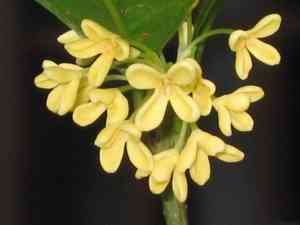
Waxyleaf privet offers continuous aesthetic appeal, with flowering periods bringing vivid hues to your outdoor space.
Understanding Waxyleaf privet's Role in Landscaping
Introduction to Waxyleaf privet as a versatile landscaping plant.
Regarding adaptable landscape plants, Waxyleaf privet excels due to its flexibility and minimal upkeep. It's a robust shrub suitable for diverse landscaping styles, favored by both new and seasoned gardeners. This plant's hardiness ensures it thrives in various conditions, needing little intervention once established.
The aesthetic benefits of including Waxyleaf privet in garden design.
Incorporating Waxyleaf privet into your garden offers numerous aesthetic advantages. Its dense foliage creates a rich, green backdrop that beautifully contrasts with flowering plants and other garden elements. The shrub's small, white blossoms can provide a striking look during bloom time, adding depth and interest to your garden's layout. Its glossy leaves also retain their appeal year-round, keeping your garden attractive even in off-seasons.
How Waxyleaf privet fits into different landscaping styles.
A key strength of Waxyleaf privet is its capacity to suit various landscaping themes. Whether you have a contemporary, minimalist garden or a more traditional, English-style one, Waxyleaf privet integrates smoothly. This plant can be shaped into formal hedges for a classic appearance, or allowed to grow more naturally in less structured settings. Its adaptability means it can function as a foundation plant, border, or even a focal point.
Strategic Placement of Waxyleaf privet in Your Garden
Choosing optimal locations for planting Waxyleaf privet for visual impact.
Thoughtfully positioning Waxyleaf privet in your garden can maximize its visual appeal. Consider placing it where its thick foliage can offer privacy or serve as a windbreak. It also works well behind flower beds, allowing vibrant blooms to stand out. For a balanced design, plant Waxyleaf privet symmetrically along paths or around garden edges.
Balancing sunlight and shade: Best practices.
While Waxyleaf privet is quite adaptable, it flourishes best in areas receiving full to partial sun. For optimal growth, locate spots in your garden that get at least 4-6 hours of daily sunlight. However, it can also endure some shade, making it suitable for places with fluctuating sun exposure throughout the day. Proper sunlight balance can boost the health and lifespan of Waxyleaf privet.
Incorporating Waxyleaf privet with other plants: Complementing textures and colors.
When combining Waxyleaf privet with other plants, consider how to complement textures and colors. Waxyleaf privet's shiny, green leaves pair well with flowering plants of different textures, such as spiky blooms or soft grasses. Match its white flowers with vibrant blossoms for a striking contrast, or pair it with plants of similar hues for a cohesive look. The goal is to create a unified design that highlights Waxyleaf privet's best attributes.
Seasonal Considerations for Waxyleaf privet
What to expect from Waxyleaf privet in different seasons.
Knowing what to anticipate from Waxyleaf privet throughout the year will help you maintain its beauty. In spring and summer, it will display its full, green leaves and delicate white flowers. In autumn, its foliage might subtly change color, adding a different shade to your garden. While it remains attractive in winter, it's crucial to watch for any signs of cold-induced stress.
Preparing Waxyleaf privet for changing weather conditions.
To ready Waxyleaf privet for shifting weather, adopt a proactive care approach. In regions with harsh winters, consider applying mulch around the plant's base to shield its roots from freezing. During hot, dry summers, ensure it gets enough water, but avoid overwatering. In spring, a light fertilizer application can encourage healthy growth and flower production.
Year-round appeal of Waxyleaf privet: Benefits and challenges.
The year-round charm of Waxyleaf privet stems from its evergreen nature and seasonal blooms. Its ability to stay visually appealing throughout the year is a key advantage. However, challenges exist, such as occasional trimming to maintain its form and managing potential pests or diseases. With consistent care, Waxyleaf privet can be a durable and lovely addition to your garden.
Maintenance Tips for Waxyleaf privet
Basic upkeep and care routines for gardeners.
Maintaining Waxyleaf privet doesn't demand extensive effort, making it a good option for those seeking low-maintenance plants. Essential care involves regular watering, especially during dry spells, and applying mulch to retain soil moisture. A balanced fertilizer can be used annually to support growth. Regularly check for pests and diseases to keep Waxyleaf privet healthy.
Pruning techniques for maintaining size and shape.
Pruning Waxyleaf privet is vital for preserving its desired size and form. Ideally, prune in late winter or early spring before new growth begins. Use clean, sharp tools for precise cuts, removing any dead or diseased branches first. Shape the plant to your preference, whether a formal hedge or a more natural shape, being careful not to over-prune and stress the plant.
Long-term growth considerations and plant health.
For sustained growth and plant health, consistent care for Waxyleaf privet is essential. This includes monitoring soil conditions to ensure proper drainage, avoiding waterlogged soils that can cause root rot. Regular pruning promotes healthy growth by removing old or damaged branches. Additionally, staying informed about local pest and disease trends can prevent potential issues. With these considerations, Waxyleaf privet can be a resilient and attractive garden feature for many years.



