Enhancing Your Garden Design with the Shrimp plant Plant: A Landscaping Guide
1
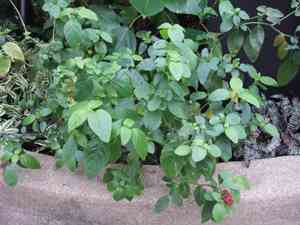
The shrimp plant is recognized for its lively, distinctive blooms that look like shrimp.
2
It grows readily in various soil types and flourishes with some sun exposure.
3
This plant brings a tropical ambiance to any garden area, making it a favored option for landscape designers.
Introducing Shrimp Plant in Landscape Design
Overview of Shrimp plant's popularity in home and commercial settings
Regarding delightful additions to both residential and business landscapes, Shrimp plant excels due to its unique look and simple upkeep. The plant is widely valued for its striking appearance that captures attention and complements various other floral arrangements. Landscape designers and home gardeners alike enjoy utilizing Shrimp plant to introduce an exotic touch to their spaces, whether in a small urban plot or a large public park. Its widespread appeal is no accidentâthis plant offers beauty and utility in equal measure.
Brief discussion on the aesthetic appeal of Shrimp plant
One of the primary features that makes Shrimp plant so attractive is its captivating flower clusters, which provide a continuous burst of color throughout its blooming season. The blossoms, resembling shrimp, introduce an unusual and intriguing element to the garden. Beyond its flowers, Shrimp plant also boasts vibrant green foliage that remains appealing year-round, adding to its visual charm. This makes Shrimp plant not just a seasonal highlight but a consistent focal point in your garden design.
Creative Methods to Integrate Shrimp Plant into Your Garden
Utilizing Shrimp plant as a border plant along pathways
Shrimp plant serves as an excellent edging plant, particularly along paths and walkways. Its compact size and vivid flowers create an inviting, colorful boundary that guides foot traffic and emphasizes the layout of your garden's design. Placing Shrimp plant along a path's edge can direct your garden's visitors, offering them a visually pleasing journey through your landscape. This technique not only beautifies the area but also maintains an organized appearance.
Incorporating Shrimp plant in mixed floral arrangements
Another fantastic way to integrate Shrimp plant into your garden is by using it in mixed flower displays. Its distinctive appearance pairs well with a variety of other plants, creating a diverse and lush tapestry of colors and textures. Grouping Shrimp plant with perennials and annuals can enhance the overall beauty and provide a more dynamic floral presentation throughout the seasons. This approach allows Shrimp plant to stand out while complementing the other plants in the arrangement.
Tips for grouping Shrimp plant with contrasting foliage for visual impact
To make Shrimp plant even more prominent, consider pairing it with plants that have contrasting leaf textures. The bright hues of Shrimp plant's flowers truly pop against darker greens, purples, or even silver foliage. This combination creates a striking visual contrast that draws the eye and makes your garden design more engaging. Experiment with various pairings to discover the ideal balance that suits your aesthetic preferences.
Seasonal Considerations for Planting Shrimp Plant
Optimal time of year to plant Shrimp plant for best growth
For superior results, Shrimp plant should be planted in the spring or early summer. This planting window allows the plant to develop robust roots before the more extreme temperatures of summer or winter arrive. By giving Shrimp plant the chance to adapt during a mild season, you ensure it will be more resilient and able to flourish throughout the year. Proper soil preparation and sufficient watering during this initial stage are vital for optimal development.
Climatic conditions favoring Shrimp plant
Shrimp plant prefers warm, humid environments and thrives best in partial sunlightâthough it can endure full sun in cooler regions. It is relatively adaptable regarding soil types but performs exceptionally well in well-draining soil that retains some moisture. Areas with mild winters and summers provide ideal conditions for Shrimp plant, though it can also be grown in containers and brought indoors if temperatures drop too low. Understanding your local climate will help you determine the best care regimen for this delightful plant.
Design Strategies for Shrimp Plant
Selecting companion plants that complement Shrimp plant
Choosing suitable companion plants for Shrimp plant can significantly enhance your garden's overall appeal. Consider plants that either bloom at different times or offer unique textures and colors to keep the garden interesting year-round. Options like ornamental grasses, ferns, or even spring-flowering bulbs work well alongside Shrimp plant to create layers and contrasts. These companions can help fill in empty spaces when Shrimp plant is not in bloom.
Innovative design tips for showcasing Shrimp plant prominently in your garden
To make Shrimp plant a central feature in your garden, consider planting it in large containers or elevated garden beds where it can be conspicuous. Its distinct appearance makes it an excellent candidate for centerpieces in flower beds or garden islands. Additionally, using garden lighting to highlight Shrimp plant, especially in the evening, can create a magical ambiance. Elevating its status in your design emphasizes its beauty and adds a special touch to your garden's overall aesthetic.



