Enhancing Your Garden Design with the Needle juniper Plant: A Landscaping Guide
1
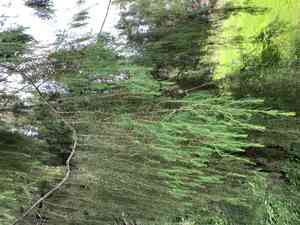
Needle juniper is recognized for its distinctive needle-shaped leaves, which contribute texture and visual appeal to outdoor spaces.
2
It flourishes in soil that drains effectively and demands little upkeep after it's rooted.
3
Needle juniper serves well as a central feature or integrated into diverse plant arrangements to provide continuous visual appeal.
Introducing Needle Juniper in Landscape Design
Appreciating the distinct visual appeal of Needle Juniper
A primary reason gardeners and designers admire Needle Juniper is its singular look. Its needle-like leaves offer a unique texture, enhancing various landscape styles. This plant keeps its vivid green hue all year, making it crucial for visual appeal even in colder months. Its structured, somewhat rugged aesthetic can elevate both contemporary and classic garden settings.
Advantages of incorporating Needle Juniper into your garden plan
Needle Juniper provides several garden benefits beyond just looks. First, it's quite resilient and low-maintenance, perfect for busy homeowners. It tolerates diverse soil types and needs minimal watering once established. Furthermore, Needle Juniper is generally pest-resistant, reducing concerns about infestations. Lastly, its evergreen nature ensures your garden stays lush and vibrant year-round, offering lasting beauty and interest.
Selecting the Optimal Site for Needle Juniper
Key considerations: Illumination, area, and companion flora
Choosing the perfect spot for Needle Juniper involves several factors. First, ensure it gets full sun to partial shade; this light condition promotes growth and maintains its vibrant color. Space is another vital aspect; allow Needle Juniper ample room to expand to prevent crowding. While it pairs well with many plants, companions should ideally share its preference for well-drained soil, low water needs, and similar light, fostering a harmonious garden environment.
Visualizing Needle Juniper within your garden's overall layout
Before planting Needle Juniper, take time to envision its placement in your garden. Consider how it will appear from different perspectives and various parts of your yard. It can serve as a striking focal point or be grouped to create a textured backdrop. Think about pathways, patios, or water features where Needle Juniper can be strategically positioned to enhance the visual appeal and balance of your garden design.
Planting Needle Juniper: A Step-by-Step Guide
Preparing the ground for planting
The initial step in planting Needle Juniper is ensuring the soil is properly prepared. Well-drained soil is essential to prevent waterlogging, which can harm the plant. Begin by digging a hole twice the width of the root ball and equally deep. Mix compost or organic material into the soil to enrich it and improve drainage. This preparation helps establish a strong foundation for Needle Juniper to thrive.
Detailed planting procedure
Once the soil is ready, carefully remove Needle Juniper from its container without damaging the roots. Place it in the prepared hole, ensuring it's level with the ground surface. Fill the hole with the enriched soil, pressing down gently to remove air pockets. Water the plant thoroughly to help settle the soil. Applying a layer of mulch around the base can help retain moisture and regulate soil temperature.
Integrating Needle Juniper with Other Garden Elements
Choosing complementary plants and decorative items
To create a unified landscape design, select plants and decorations that complement Needle Juniper. Low-growing groundcovers, ornamental grasses, and flowering perennials can enhance its visual appeal. Decorative stones, boulders, or garden sculptures can add extra texture and interest. Ensure that chosen elements share similar environmental needs, such as light and soil conditions, to promote a harmonious and flourishing garden.
Creating focal points using Needle Juniper
Needle Juniper can serve as an excellent focal point in your garden design. Position it where it naturally draws the eye, such as near entrances, along pathways, or beside seating areas. Use contrasting colors and textures around it to highlight its unique foliage. By designing with focal points in mind, you can create a dynamic and visually engaging landscape that showcases Needle Juniper's beauty.
Maintaining Needle Juniper in Your Landscape
Seasonal considerations for Needle Juniper upkeep
Needle Juniper maintenance varies with the season. In spring, check for winter damage and prune as needed. During summer, ensure adequate watering, especially in dry periods, but avoid overwatering. Fall is ideal for mulching to insulate roots, and in winter, monitor for heavy snow or ice damage. Regular seasonal care ensures Needle Juniper remains healthy and robust year-round.
General advice for ensuring health and beauty
To keep Needle Juniper looking its best, follow some general maintenance tips. Prune any dead or damaged branches to encourage new growth. Fertilize sparingly, as excessive fertilization can harm the plant's health. Ensure Needle Juniper isn't overcrowded to allow for good air circulation, which helps prevent disease. Regularly check the plant for pests, even though it's generally resistant, catching any potential issues early to maintain its vibrant appearance.



