Enhancing Your Garden Design with the Spotted touch-me-not Plant: A Landscaping Guide
1
Impatiens capensis flourishes in garden spots with partial shade.
2
Spotted touch-me-not flowers from the end of spring through the beginning of autumn.
3
Consistent moisture is essential to keep Spotted touch-me-not looking its best.
Introducing Spotted touch-me-not for Landscape Design
Overview of Spotted touch-me-not and its aesthetic charm.
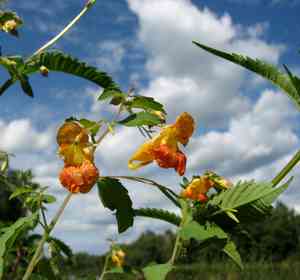
Spotted touch-me-not offers a delightful and distinctive visual appeal to any outdoor space. Renowned for its delicate, spurred blossoms in orange and yellow hues, it fosters a lively and energetic ambiance. The plant's lush green leaves serve as an ideal backdrop, accentuating the colorful flowers. A notable characteristic is its spotted pattern, which adds an intriguing element to gardens and attracts bees and hummingbirds.
Why select Spotted touch-me-not for your garden?
Choosing Spotted touch-me-not for your garden signifies a preference for both beauty and ecological diversity. This plant isn't solely about looks; it also aids in supporting the local ecosystem. Its flowers draw in pollinators, crucial for a thriving garden environment. Furthermore, Spotted touch-me-not is relatively simple to cultivate and care for, making it an excellent option for both new and seasoned gardeners. Its resilience to many common pests and diseases further enhances its appeal, ensuring a flourishing garden with less effort.
Optimal Placement for Spotted touch-me-not in Your Garden
Understanding light and shade requirements.
Spotted touch-me-not thrives best in areas with partial shade, where it receives dappled sunlight. Direct, intense sun can be harmful, causing leaves to wilt and flowers to fade. Aim to position Spotted touch-me-not where it gets morning sun and afternoon shade, such as beneath trees or along shaded garden paths. This placement mimics its natural woodland edge habitat, ensuring ideal growth and vibrant displays.
Best garden locations for visual impact.
When designing your garden layout, consider planting Spotted touch-me-not in clusters or groups to maximize its aesthetic effect. Utilize it as a border plant along pathways or in mixed flower beds where its bright colors can stand out against green foliage. Spotted touch-me-not also performs well in containers and hanging baskets, bringing its vivid blooms closer to eye level. For a more natural look, allow it to spread in woodland garden areas or beside streams, mimicking its native environment.
Companion Plants That Complement Spotted touch-me-not
Selecting plants with similar growing conditions.
To create a harmonious garden, it's essential to pair Spotted touch-me-not with companion plants that flourish in similar environments. Consider plants that also prefer partial shade and moist, well-drained soil. Ferns, hostas, and astilbes are excellent choices. These plants not only share the same environmental needs but also enhance the overall texture and diversity of your garden. By choosing companions with similar requirements, you ensure all plants thrive together, creating a vibrant and cohesive garden design.
Visual harmony: Color and texture considerations.
To achieve visual harmony in your garden, consider the color and texture of companion plants. Spotted touch-me-not's bright, spotted flowers pair beautifully with plants that have contrasting foliage and blooms. Dark green hostas or ferns can provide a rich backdrop that makes Spotted touch-me-not's colors pop. Additionally, incorporating plants with varied textures, such as the feathery foliage of astilbes, adds depth and interest to your garden. Balancing color and texture creates a visually appealing and dynamic landscape.
Year-Round Interest: Featuring Spotted touch-me-not in Four Seasons
Spring and summer: Spotted touch-me-not's flowering cycle.
During spring and summer, Spotted touch-me-not is at its peak, displaying an abundance of bright, spurred flowers from late spring through early fall. To optimize this bloom cycle, ensure the plants receive consistent moisture and are planted in well-draining soil. Regular removal of spent flowers encourages continuous blooming, creating a long-lasting display. The vibrant flowers not only enhance the garden's aesthetic appeal but also attract pollinators, adding life and movement to the garden.
Fall and winter: Maintaining visual appeal.
Although Spotted touch-me-not does not bloom during fall and winter, you can maintain garden interest by focusing on its structural qualities and companion plants. In the fall, allow the seeds of Spotted touch-me-not to mature and disperse naturally, which can add an element of wildlife interaction as birds may come to feed. For winter, consider combining Spotted touch-me-not with evergreen plants or winter-blooming species to maintain color and texture in your garden. Mulching around Spotted touch-me-not can also help protect the roots during colder months, ensuring a robust return in spring.
Maintenance Tips for Long-Lasting Spotted touch-me-not Displays
Regular care routines.
Maintaining Spotted touch-me-not involves establishing regular care routines, such as watering, mulching, and occasional feeding. Spotted touch-me-not prefers consistently moist soil, so ensure it gets adequate water, especially during dry periods. Mulching helps retain soil moisture and suppress weeds. Implementing a light feeding regimen with a balanced, slow-release fertilizer in the spring can promote vigorous growth. Regularly check for any dead or damaged foliage and remove it promptly to keep your garden looking tidy.
Addressing common issues.
While Spotted touch-me-not is generally robust, it can encounter certain problems like powdery mildew or aphid infestations. To prevent mildew, ensure good air circulation by spacing plants appropriately and avoiding overhead watering. If aphids appear, a simple spray of water or a mixture of water and mild dish soap can control them. Staying vigilant and inspecting plants regularly allows for early detection and treatment of problems, ensuring your Spotted touch-me-not remains healthy and vibrant throughout the growing season.



