Enhancing Your Garden Design with the Beach spider lily Plant: A Landscaping Guide
1
Beach spider lily flourishes in adequately drained soil and ample sunlight, though it can endure some shade.
2
Pairing Beach spider lily with plants that boost its visual charm and offer additional advantages can enhance your garden's look.
3
Choosing an appropriate garden design for Beach spider lily can turn your outdoor area into a unified and attractive setting.
Grasping the Distinctive Look of Beach spider lily
Exploring Its Visual Allure: Hues and Textures
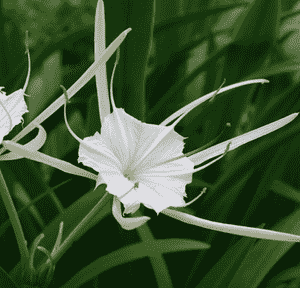
The charm of Beach spider lily lies in its delicate yet prominent visual appeal. This plant displays vivid, spidery blossoms, typically white, which starkly contrast its rich green foliage. This unique color blend makes Beach spider lily a captivating focal point in any garden. The leaf textureânot uniformly smooth but slightly ridgedâadds another layer of visual interest. When planning your garden, consider how these colors and textures can create opposition or harmony with nearby plants.
Bloom Cycles and Seasons
Understanding the flowering patterns of Beach spider lily is crucial for maximizing its aesthetic impact throughout the year. Typically, Beach spider lily flowers from late spring to early summer, offering a burst of beauty when many other plants have yet to peak. The blooms persist for several weeks, providing your garden with an extended period of visual delight. Knowing the bloom season helps you plan successive flowers with other plants, ensuring your garden remains vibrant across different seasons.
Height and Growth Habit: Shaping Your Space
Beach spider lily typically reaches a height of about 2 to 3 feet, making it an excellent choice for mid-level planting. Its upright growth habit can add vertical interest to your landscape, while the arching leaves create a sense of movement and flow. When designing your garden layout, consider placing Beach spider lily where its height and form can serve as a focal point, drawing attention and anchoring your garden's visual composition.
Selecting the Optimal Spot for Beach spider lily in Your Garden
Sunlight and Shade: Locating the Ideal Position
Beach spider lily is adaptable regarding sunlight needs but thrives best in areas receiving full sun to partial shade. Aim for a garden spot that gets at least 6 hours of sunlight daily. However, it can tolerate less sun, making it relatively forgiving in terms of placement. Knowing this, you can position Beach spider lily in various parts of your garden without excessive concern for its light requirements, though optimal sunlight will yield the most vibrant blooms.
Soil Needs: Ensuring Proper Drainage and Nutrients
Soil quality is vital for the healthy development of Beach spider lily. Well-drained soil is essential, as waterlogged conditions can lead to root rot. To improve drainage, consider incorporating organic matter or sand into your garden soil. Additionally, Beach spider lily benefits from nutrient-rich soil. Regularly adding compost or a balanced fertilizer will supply the necessary nutrients, ensuring robust growth and abundant blooms. Taking the time to optimize soil conditions will reward you with a thriving, beautiful plant.
Spacing Considerations: Maximizing Impact and Growth
Correct spacing is key to ensuring Beach spider lily has ample room to grow and flourish. Generally, a distance of 12 to 18 inches between plants is recommended. This not only prevents overcrowding but also allows for adequate air circulation, reducing disease risk. Thoughtful spacing also gives each plant sufficient room to display its unique beauty without competing for resources. By planning your garden layout with appropriate spacing, you can create a harmonious and healthy planting scheme.
Companion Planting: What Pairs Well with Beach spider lily?
Best Companion Species for Beach spider lily
When selecting companion plants for Beach spider lily, choose species that complement its appearance while offering mutual growth advantages. Plants like ferns, with their delicate, feathery foliage, contrast nicely with the broader leaves of Beach spider lily. Additionally, flowering plants that bloom in different seasons, such as marigolds or crocuses, can extend the period of visual interest in your garden. Strategic companion planting can create a more dynamic and visually appealing garden.
Avoiding Competitive Planting: What to Keep Away
While Beach spider lily is quite adaptable, it's crucial to avoid planting it near aggressive or high-maintenance species that might compete for resources. Plants with extensive root systems or those requiring disproportionate amounts of water and nutrients can impede the growth of Beach spider lily. Avoid overly invasive species like bamboo or certain types of grass that can quickly dominate the space, ensuring that Beach spider lily can grow unimpeded and maintain its beauty.
Incorporating Beach spider lily into Various Landscaping Styles
Tropical Themes: Highlighting Beach spider lily's Natural Environment
Beach spider lily fits perfectly into tropical-themed gardens, bringing a touch of the exotic to your landscape. Pair it with other tropical plants like palms, banana trees, and orchids to create a lush, paradise-like setting. The vibrant, spider-like flowers of Beach spider lily can add a splash of intrigue amidst the broad tropical leaves and bright blooms, enhancing the overall tropical vibe.
Modern Landscapes: Using Beach spider lily for Minimalist Designs
For those who prefer a clean, contemporary aesthetic, Beach spider lily can be an excellent addition. Its striking flowers and structured form align well with minimalist design principles. Pair Beach spider lily with sleek hardscapes, such as stone or concrete, and subtler plants to allow its unique beauty to stand out. In a modern landscape, the simplicity and elegance of Beach spider lily can create a powerful focal point.
Cottage Gardens: Enhancing the Whimsical Charm
Cottage gardens, known for their informal, abundant planting styles, can benefit from the inclusion of Beach spider lily. Its unique flowers and foliage add texture and interest among the densely planted, colorful blooms typical of cottage gardens. By combining Beach spider lily with traditional cottage garden plants like foxgloves, delphiniums, and daisies, you can create a charming, whimsical garden space that feels both inviting and full of character.



